Sliding Glass Partition
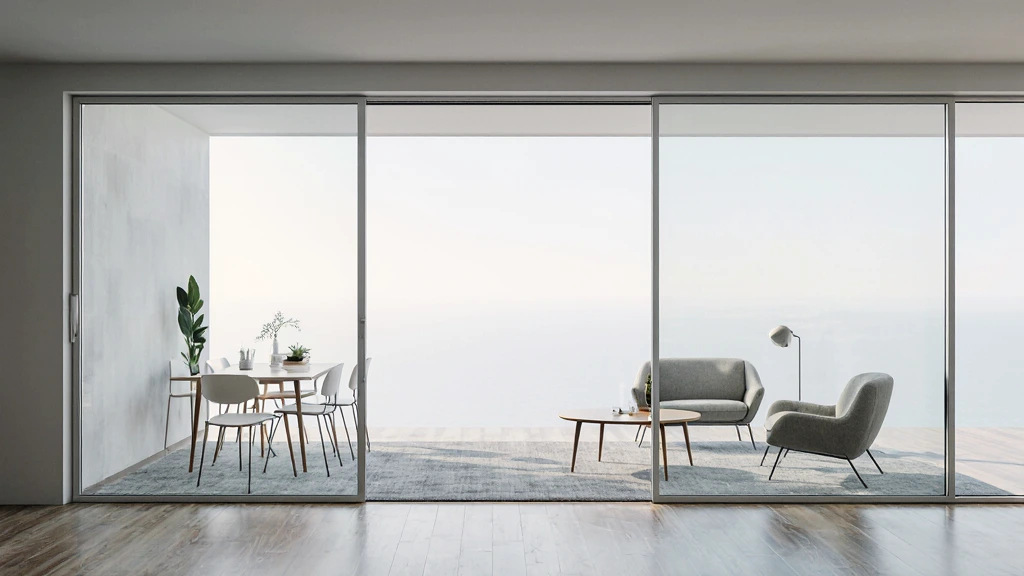
Tempered glass sliding panels are increasingly seen as a crucial component in today’s architectural projects, offering a sophisticated blend of functionality and aesthetic appeal. They are engineered to optimize the use of available space while creating a sense of openness and lightness, which suits both homes and commercial spaces perfectly. Made using durable tempered or laminated glass, they ensure durability and safety, while their minimalist frames combined with effortless sliding systems allow effortless operation.
Tempered glass sliding panels are increasingly seen as a crucial component in today’s architectural projects, offering a sophisticated blend of functionality and aesthetic appeal. They are engineered to optimize the use of available space while creating a sense of openness and lightness, which suits both homes and commercial spaces perfectly. Made using durable tempered or laminated glass, they ensure durability and safety, while their minimalist frames combined with effortless sliding systems allow effortless operation.
A major benefit of glass sliding dividers is the way they maximize daylight, transforming interiors into bright, welcoming spaces. By minimizing opaque barriers, they also create a sense of spatial continuity, which is especially valuable in offices, hotels, and contemporary homes. Advanced designs can incorporate features like frosted, tinted, or patterned glass, ensuring discretion while maintaining brightness.
Proper installation involves careful engineering to guarantee safety and lasting performance, as well as seamless integration with existing architectural elements. Maintenance is straightforward, with frequent care maintaining crystal-clear surfaces and smooth glide mechanisms. Their flexibility enables dynamic layouts, non-permanent separation of spaces, and better acoustic performance.
Sliding glass dividers are not just practical solutions, they are design statements that combine elegance, practicality, and modern innovation, transforming ordinary spaces into dynamic, light-filled environments that exude sophistication.
Sliding Glass Room Dividers
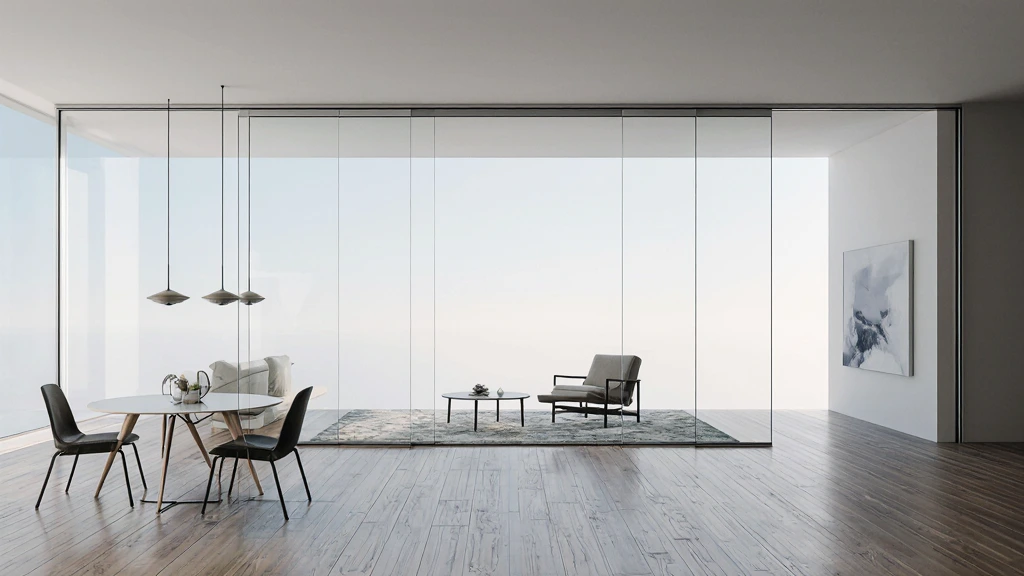
Movable glass room separators offer an clean and contemporary way to redefine environments with an open floor plan, be it residential or commercial. They provide the perfect balance between privacy and connectivity, allowing natural light to penetrate deeply throughout the home or office while still creating delimited zones. These dividers are highly flexible, making them an ideal option for forming a discreet home office, separating a dining area from a living room, or even secluding a tranquil corner. Their biggest advantage is the ability to modify the interior design. When in place, they offer sound and vision privacy. When retracted, they vanish almost completely, transforming the two areas into one again. Choosing the right frame material, ranging from minimalist aluminum to warmer wood finishes, allows you to perfectly match your interior design aesthetic, all while elevating performance and refinement of your property.
Interior Sliding Glass Doors Room Dividers
The use of interior sliding glass doors as room dividers is a popular choice for those seeking to optimize the area and light entry. Unlike traditional hinged doors, these sliding systems eliminate the need for clearance to open, which is a crucial difference in smaller apartments or layouts with reduced areas. They utilize moving guides, often recessed into the ceiling or floor for a cleaner appearance, and can be configured as simple sliding doors, articulated, or doors that vanish into the wall depending on the space and your design goals. The glass itself is a vital element; options range from total transparency for greater brightness to frosted or textured glass for enhanced visual privacy. For a modern and integrated experience, integrating these doors into a broader room design plan can elevate the entire interior, making the space feel more spacious, illuminated, and flexible to daily life.
Glass Partition Wall with Sliding Door
A glass partition wall with a sliding door is the definitive architectural choice for creating internal spaces that are segmented, yet connected. This solution surpasses the concept of a movable panel; it establishes a permanent, floor-to-ceiling boundary without sacrificing the visual spaciousness of the environment. It is much used in corporate contexts, such as in workspaces, where it is used to set up executive rooms, brainstorm rooms, or private pods, maintaining a intense illumination and encouragement of idea exchange. In a residential context, it is perfect for separating a large primary bedroom from a bathroom or creating a sophisticated gym with glass walls. The efficiency of the sliding door mechanism ensures that the access point does not interrupt the clean lines of the complete glass wall, delivering a modern design element that is highly functional and visually striking.
Interior Sliding Glass Wall Systems
Interior sliding glass wall systems represent the high point of modular design, offering an broad option for transforming the environment on demand. These systems are typically composed of several wide glass sections that move on a mechanism and can often stack neatly at one or both ends of the opening. This allows for an almost complete absence of visual barriers, totally eliminating the division between rooms. They are great for linking the kitchen to a winter garden, or for reorganizing a loft space into distinct living zones during the daily routine. Modern engineering ensures these walls are easy to operate, despite their size and weight, often requiring only a light touch. Furthermore, they can be customized with various hardware finishes and levels of transparency to suit any refined internal aesthetic.
Sliding Glass Partition Wall
The appeal of a sliding glass partition wall lies in its practicality in dividing environments quickly and adaptably without the fixity or thickness of a conventional wall. It is a pragmatic and elegant way to manage areas that are large and multifunctional. These walls are a trend in contemporary commercial buildings to quickly convert an open-plan office into smaller training rooms or private workspaces, and then easily return to the original, open area. For homeowners, it offers a way to have a formal living room that can be delimited for moments of privacy or expanded for celebrations. The materials used are often high-quality tempered safety glass, which provides good noise reduction, improving discretion and functionality of the newly created space.
Sliding Glass Partition Doors
Sliding glass partition doors are an elegant and practical alternative to standard doors, acting as both an means of passage and an adaptable barrier. They are distinguished by their possibility of encompassing an extensive opening with several glass leaves that move horizontally. A common application is in the delimitation of an area with partial privacy, such as a bedroom or a home office, within a larger room. The style alternatives are wide, ranging from panels with metallic profiles for an industrial look to pure, frameless glass panels for a sense of lightness. In addition to their aesthetic value, they contribute significantly to energy savings by allowing natural light to reach internal areas of the house/office, saving electricity during the day.
Room Divider Glass Sliding Doors
Using glass sliding doors as room dividers is an effective strategy to introduce natural light and a sense of expansiveness into divided rooms. These doors are designed with the central mission of isolating in mind, making them more robust and more prominent than standard doors. They are the ideal solution for current properties where the desire for an integrated layout conflicts with the practical need for occasional privacy. Installing a multi-panel system can transform a previously dark hallway into a clear and airy walkway, while the glass allows for visual connectivity between adjacent rooms. The track system is typically designed for smooth and quiet operation, highlighting the excellence and ingenious design that is employed in these high-quality internal features.
Sliding Glass Wall Systems
Sliding glass wall systems are the definitive choice for creating flexible and well-lit interiors, offering a unique blend of form and function. These systems are an architectural high point, effectively erasing the lines between different zones of a building. Although often associated with uniting living rooms with balconies/terraces, the internal application is with the same power to change, providing a way to segment large open floor plans. The high-tech sliding mechanism allows the glass panels to slide and stack effortlessly, whether opting for a top-hung mechanism without a bottom guide, or a rolling track on the floor for heavy loads. Customization options frequently include thermal protection glass to improve thermal performance, preserving temperature consistency between the divided spaces.
Glass Partition with Sliding Door
A glass partition with a sliding door is an rising option for contemporary residential and commercial properties seeking a premium finish. The combination provides the structural definition of a wall while offering unobstructed and smooth entry. This configuration is especially useful in environments where prioritizing clarity is a priority, such as in art studios or showrooms. The fixed glass portion ensures continuous lighting, while the sliding door maintains a clean and uninterrupted aesthetic. When selecting this option, designers often focus on the subtle details, such as the door handle design and the glass reflectivity, to ensure the entire structure acts as a harmonious and attractive design element within the space.
Interior Sliding Glass Wall
An interior sliding glass wall is a aesthetic affirmation that champions contemporary and adaptable conviviality. This architectural element allows an owner or designer to section an environment without resorting to materials that are conventional and dark. It is ideal for setting up a study or reading room within a larger room, giving a sense of enclosure while still maintaining connection with the rest of the residence. The aesthetic impact is significant; a floor-to-ceiling glass wall can make a space look visually expanded and elegant. The panels can be configured to retract into the drywall interior for a completely concealed look when open, offering the maximum in design minimalism and efficiency.
Sliding Glass Partition for Living Room
A sliding glass partition for the living room is an excellent way to introduce versatile zoning in the most active area of a home. In open-concept designs, the living room often is integrated into the gourmet environment, which can be chaotic during peak hours. A glass partition allows you to close off the living area for a quiet movie night or a private conversation without making the space feel reduced or disconnected from the residence. The transparency of the glass maintains the visual size of the room while providing a necessary barrier. Modern partitions are often with a very thin profile to ensure the focus remains on the wide glass panel and the visual connection it maintains.
Sliding Office Partitions
Sliding office partitions have become a critical feature in the modern workplace, shifting away from static cubicle designs toward dynamic, adaptable layouts. These systems are crucial for businesses that require spaces to agilely change from isolated meeting environments to large training areas or open collaboration zones. Acoustic performance is a key consideration here; high-quality sliding partitions are constructed with sound barriers and acoustic glass to provide a excellent silencing capability, promoting secrecy and decreasing noise. By implementing these flexible partitions, companies can maximize the utility of their properties, fostering both focused individual work and large group collaboration.
Sliding Glass Door Dividers
Sliding glass door dividers offer an visually attractive and very functional alternative for dividing spaces without building permanent walls. These systems are often chosen over traditional French doors or solid panels due to their small interference and seamless functioning. They are particularly popular in dividing a main space from a home cinema room or a games room, providing a important acoustic delimitation while allowing parents to monitor the children. For a unique touch, many homeowners opt for colored, etched, or smart glass that can change from opaque to transparent with the flick of a switch, offering total control over privacy and light penetration in an instant.
Interior Sliding Glass Partition Doors
The appeal of interior sliding glass partition doors lies in their architectural elegance and superior functionality. They are specifically designed to serve with the dual role of isolation and door, creating a fluid and adaptable internal landscape. These doors frequently utilize premium castor systems that ensure they move smoothly and quietly, which is a hallmark of a well-designed system. In residential environments, they are commonly used to create an stylish border between the wardrobe and the room. Commercially, they define executive offices or small consultation rooms, offering a professional appearance while promoting an open and transparent company culture.
Glass Partition Sliding
The term "sliding glass partition" encapsulates the essence of interior design that is flexible and light-maximizing. It refers to any arrangement where glass sections separate an environment and operates through a sliding mechanism. This type of division is favored by designers for its ease in enhancing the feeling of size, even when the partition is closed. The focus is often on minimal hardware to allow the glass itself to be the central visual component. Installation techniques can vary from surface-mounted tracks to fully recessed tracks, allowing for a completely uninterrupted floor and ceiling line, which contributes to a cleaner, more minimalist aesthetic in any contemporary space.
Interior Glass Wall with Sliding Door
An interior glass wall with a sliding door is the incorporation of modular and modern design. This configuration provides the structural permanence of a wall with the functional adaptability of a door. It is an excellent way to introduce transparency in areas that used to be isolated, such as hallways or internal offices. The fixed portion of the wall is often floor-to-ceiling, creating a dramatic visual boundary. The sliding door integrates into this wall seamlessly, often using a frameless design to maintain an uniformity in the glazed area. This choice is frequently made in high-end offices and sophisticated homes where the distribution of natural light and architectural simplicity are central design principles.
Sliding Door Glass Partition
A sliding door glass partition is primarily a functional element designed to create a quick and smooth separation between rooms. The entire structure is essentially a large movable glass surface that serves with the dual function of separator and entrance. It is particularly effective in separating a kitchen from a pantry or a basement family room from a storage area, where a physical barrier is needed, but light sharing is still desired. The choice of glass—such as laminated or acoustic glass—can be tailored to the specific needs of the space, offering greater protection or better noise isolation to make the newly divided area truly functional for its intended use.
Sliding Partition Glass Doors
Sliding partition glass doors offer a sophisticated and efficient method for dividing large internal spaces. These doors are designed to be substantial, acting as movable walls rather than mere simple entrances. Their main advantage is the ease with which a space can be transformed; a large hall can be quickly converted into two smaller, private meeting spaces, and then reunited with the same speed. The track and roller technology used in these systems is crucial, designed to bear the weight of large glass panels while allowing them to slide with minimal effort, ensuring durability and a luxurious user experience in high-traffic commercial and residential environments.
Sliding Glass Divider
A sliding glass divider is a simple, yet impactful, tool for spatial organization in open floor plans. It is often a lighter and more minimalist application compared to a full wall system, ideal for subtle separations. Think of it as a translucent curtain that can be pulled to isolate a home workstation in a living room or a fitness area in a bedroom. The panels are typically thin, maximizing useful floor space. Designers frequently leverage the panel surface for creative effects, using frosted patterns or decorative etching to add an artistic element while still providing the necessary visual break. It is the perfect combination of casual form and function.
Sliding Glass Room Partitions
Sliding glass room partitions are a contemporary necessity for multifunctional interiors. They provide a high-level solution for defining separate zones within a building, preserving the overall sense of spaciousness and light. These partitions are especially beneficial in studio apartments or small homes where maximizing every square meter is essential. They allow a single space to serve as a bedroom at night and an office during the day, all thanks to the dynamic separation they offer. The ability to customize the track finish, panel size, and glass type ensures that these partitions not only function perfectly but also contribute significantly to the aesthetic value and long-term utility of the property.
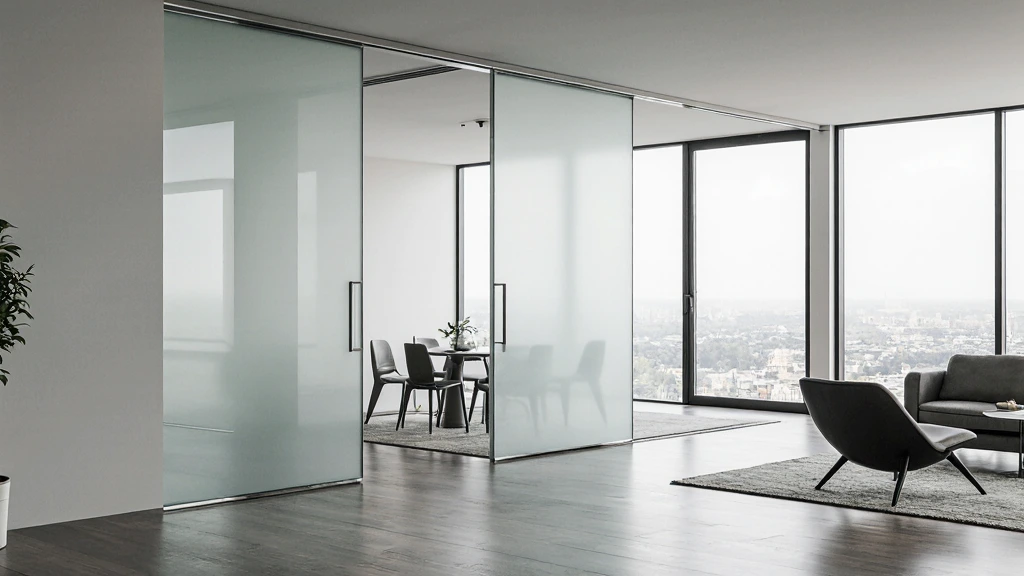 Sliding Glass Walls for Contemporary Homes
Modern architecture and interior design have embraced visual clarity, adaptability, and sophistication as essential elements in shaping practical living areas. Among the many alternatives available, glass sliding walls have become one of the most adaptable and elegant choices for both domestic and corporate environments. They combine the sleek beauty of glass with the practicality of movable walls, reshaping ordinary areas into contemporary, open, and light-filled spaces without compromising privacy or functionality.
One of the primary reasons why sliding glass partitions have gained such appeal is their ability to enhance brightness indoors. Unlike conventional barriers, which can make a space feel enclosed, glass allows natural rays to flow seamlessly from one room to another. This is particularly valuable in city apartments where openings are scarce and every drop of daylight is precious. By installing sliding partition systems, homeowners and businesses experience a brighter, inviting, larger-feeling atmosphere that feels harmonious across different areas.
Another advantage is their exceptional flexibility. In homes, a internal glass divider can separate the kitchen from the living room while maintaining visual openness, offering a sense of togetherness even when areas are distinct. For remote workspaces, especially with the rise of hybrid work, sliding glass systems make it possible to have a peaceful, dedicated workspace that still feels part of the rest of the home. In corporate settings, offices often rely on glass partitions for conference areas or team areas, where transparency fosters interaction while track systems ensure flexibility for different needs.
Durability is also a key strength. Modern sliding glass partitions are made from toughened or laminated safety glass, which is far more resistant than regular glass. This makes them safe for everyday use, even in high-traffic environments such as corporate buildings, shopping spaces, or educational facilities. Many systems also include soundproof glass panels, ensuring acoustic control during meetings or calls without sacrificing the light-filled atmosphere.
Styling variations are another reason for their expanding appeal. Far from being limited to clear glass, movable glass walls can be customized with frosted finishes, tinted options, or even decorative patterns. Frosted glass provides a sleek look while adding discretion, ideal for boardrooms or private home offices. Tinted glass brings a refined look and can minimize reflections, while etched glass adds unique visual interest. The ability to tailor internal glass walls to blend with interior design themes ensures they fit seamlessly with contemporary, industrial, or even classic décor styles.