Glass Partition Sliding
Sliding Glass Partition Wall for Modern Offices and Homes
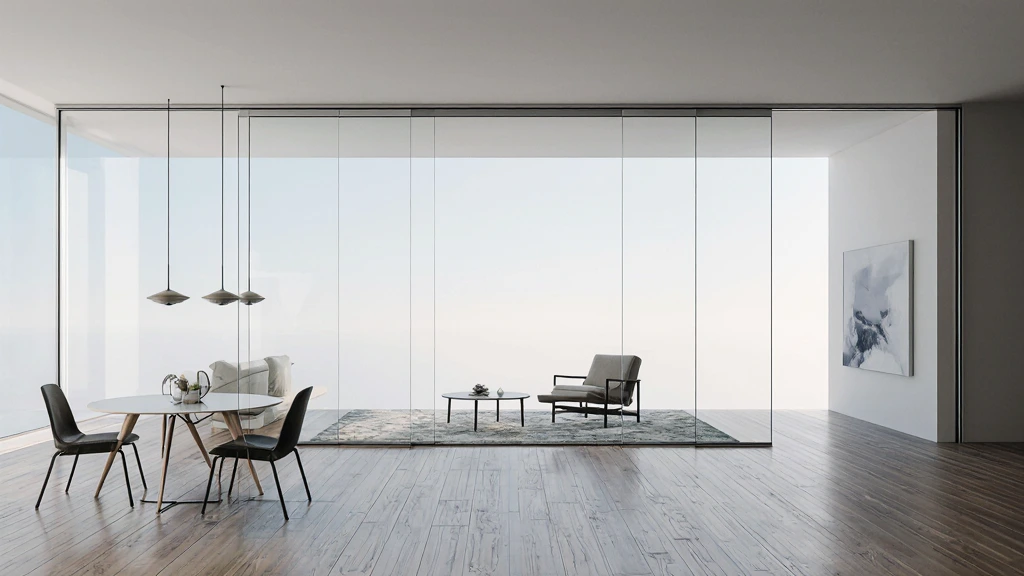
The need for versatile and elegant design features has grown significantly in both business and home spaces, and one of the most influential elements in current design is the sliding glass partition wall. These structures blend functionality with aesthetics, offering an advanced way to divide spaces while preserving a sense of openness and light. Unlike traditional solid partitions, a sliding system optimizes flexibility, improves the visual appeal of a room, and fits ideally to the changing needs of contemporary environments.
In corporate environments, the importance of creating agile layouts cannot be overstated. Companies today emphasize collaboration, transparency, and adaptability. A glass office partition with sliding functionality makes it possible to reshape a large open-plan area into smaller meeting rooms or private offices in just a few seconds. At the same time, the transparency of glass fosters a sense of inclusiveness, allowing natural light to flow freely and reducing the feeling of isolation. This plays a essential role in employee well-being and productivity, as access to daylight has been consistently linked to better focus, mood, and energy levels.
Residences, too, benefit immensely from the adaptability of sliding glass walls. Contemporary interior design often emphasizes multifunctional spaces where one room serves multiple purposes throughout the day. For example, a living room can instantly be transformed into a quiet home office or a guest room simply by sliding a glass partition into place. Unlike solid walls, glass panels provide privacy while still maintaining brightness and a sense of spaciousness. In apartments and smaller houses, this feature is especially valuable because it allows residents to maximize every square meter without compromising style or comfort.
Another crucial aspect of sliding glass partitions is the wide range of personalization possibilities available. Homeowners and corporate leaders can choose from clear, frosted, tinted, or acoustic glass depending on the level of privacy and design they want to achieve. Frosted glass, for example, is perfect for meeting rooms where confidentiality is required but openness is still desired. Acoustic glass offers excellent soundproofing qualities, making it an ideal choice for offices that require concentration or for homes where one room doubles as a study or media room. The ability to personalize the frame materials—such as aluminum, steel, or even minimalist frameless designs—further enhances the architectural possibilities.
Durability is another factor that makes glass partitions a reliable long-term investment. Modern tempered or laminated glass is engineered to be highly resistant to impact, scratches, and wear, ensuring that the installation remains functional and visually appealing for many years. Additionally, the sliding mechanisms are designed with precision engineering, often incorporating silent-glide technology to guarantee smooth and quiet operation. This combination of resilience and elegance provides both safety and luxury, qualities highly valued in contemporary design.
From a sustainability perspective, sliding glass partitions are aligned with eco-friendly building practices. By allowing natural light to penetrate deeper into spaces, they reduce the dependency on artificial lighting during the day, lowering energy consumption and utility costs. Furthermore, glass is a recyclable material, and many manufacturers offer eco-conscious production processes that appeal to companies and homeowners aiming to reduce their environmental footprint.
The aesthetics of glass wall systems are unmatched when compared to other types of partitions. They create a seamless connection between rooms, blurring boundaries while still providing functional separation. In offices, this transparency often symbolizes openness and trust within the corporate culture, while in homes it creates a refined, elegant atmosphere that complements a variety of interior styles. Whether paired with contemporary minimalism, industrial chic, or even classic design approaches, glass walls add sophistication and timeless appeal.
One of the most appealing benefits of a sliding glass partition wall is its space-saving nature. Conventional hinged doors and static walls can consume valuable square footage, but sliding panels move effortlessly along discreet tracks, allowing for maximum use of the available area. This is particularly advantageous in urban environments, where compact living and working spaces are increasingly common. By eliminating the need for swinging doors or fixed divisions, sliding systems enable designers to create fluid layouts that adapt easily to changing lifestyles and business needs.
Maintenance is another advantage often overlooked. Glass surfaces are surprisingly easy to clean and require minimal upkeep compared to painted walls or drywall partitions that may need frequent repairs or repainting. A simple cleaning routine with appropriate glass solutions keeps the panels clear, polished, and hygienic. In professional settings, this ease of maintenance is not only practical but also contributes to a polished corporate image where clients and partners immediately notice the quality of the space.
For those seeking to enhance acoustics, the latest advancements in soundproof glass partitions make it possible to combine transparency with serenity. Specialized laminated glass, combined with acoustic seals and precise framing, ensures that noise is significantly reduced between rooms. This is invaluable in bustling offices where concentration is vital or in homes where privacy is required without sacrificing light and aesthetics.
Security is also a factor worth mentioning. Modern sliding glass partitions are built with safety glass that, in the unlikely event of breakage, shatters into small blunt pieces rather than sharp shards, minimizing risks. Laminated options further increase safety by keeping fragments adhered to the interlayer, ensuring the partition remains intact until replacement. These engineering standards meet international safety certifications, reassuring both homeowners and businesses about the reliability of their investment.
When it comes to installation, professionals can design systems tailored to the specific dimensions and functions of a given space. Whether the goal is to create a large conference room with retractable glass walls or to subtly divide a loft apartment into distinct yet connected living areas, the versatility of sliding systems ensures that every project is unique. Architects and designers often consider these partitions not only as functional solutions but also as central elements of interior design that elevate the entire environment.
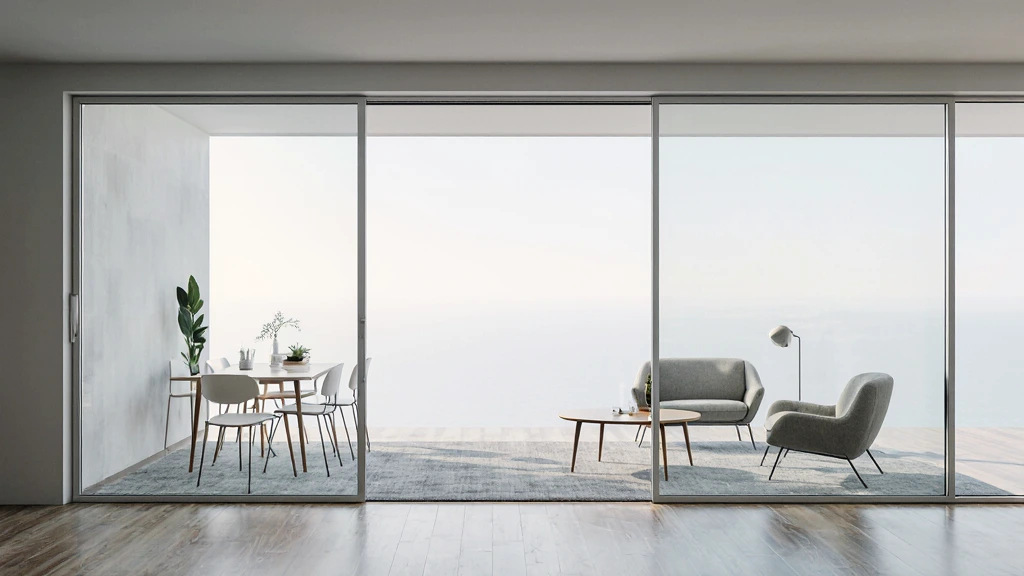
The versatility of glass partitions is not limited to interiors alone. In some residential and commercial projects, sliding systems are installed to connect indoor and outdoor areas, creating seamless transitions between living spaces and patios or terraces. This design choice enhances the flow of natural light, maximizes ventilation, and creates a stronger bond between people and their surroundings. For homes, it creates a resort-like feel, while in businesses such as restaurants or coworking spaces, it enhances customer experience by offering flexibility in how spaces are used.
In today’s world, where both homes and offices demand adaptable solutions that reflect modern lifestyles, the sliding glass partition wall stands out as a symbol of progress, sophistication, and practicality. It blends openness with privacy, merges design with function, and combines durability with sustainability. Whether installed in a corporate headquarters, a small apartment, or a luxury residence, these partitions redefine environments into dynamic, stylish, and highly efficient spaces.