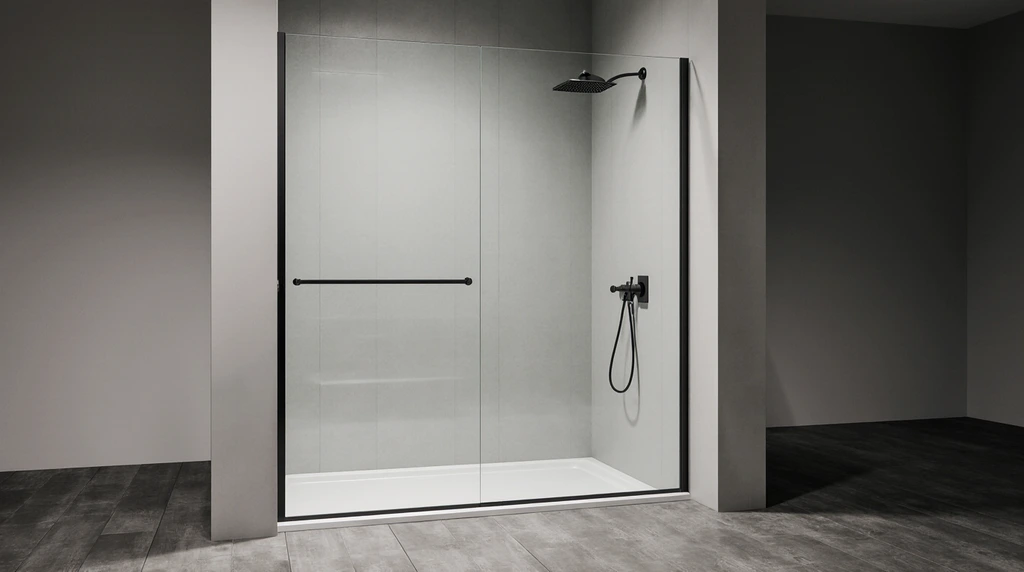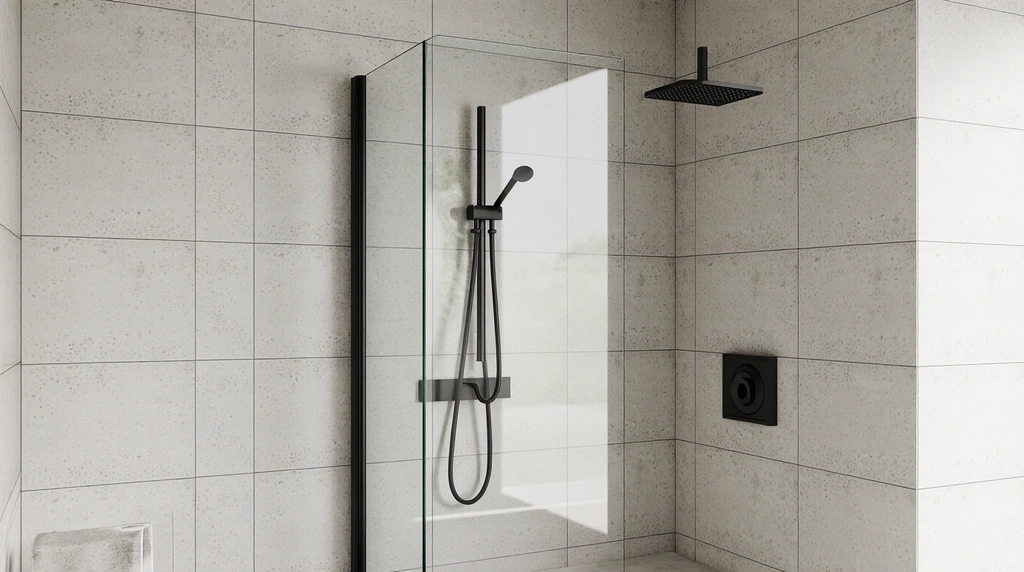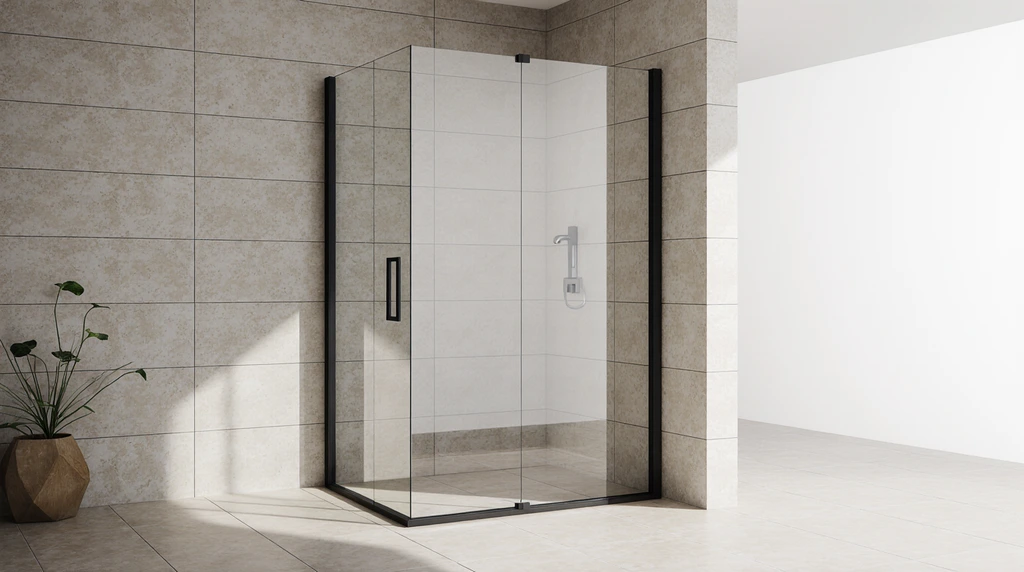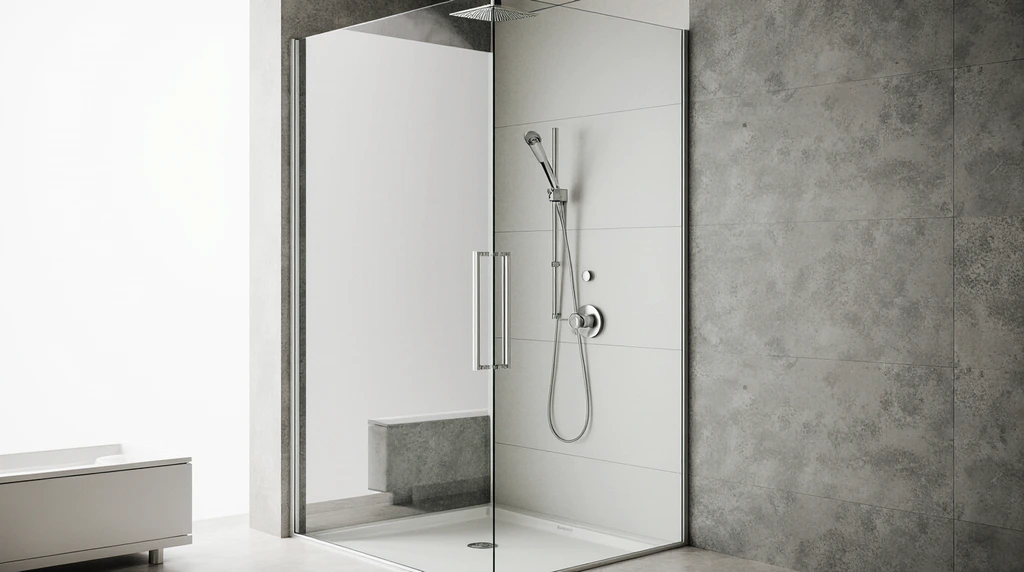
Glass Shower
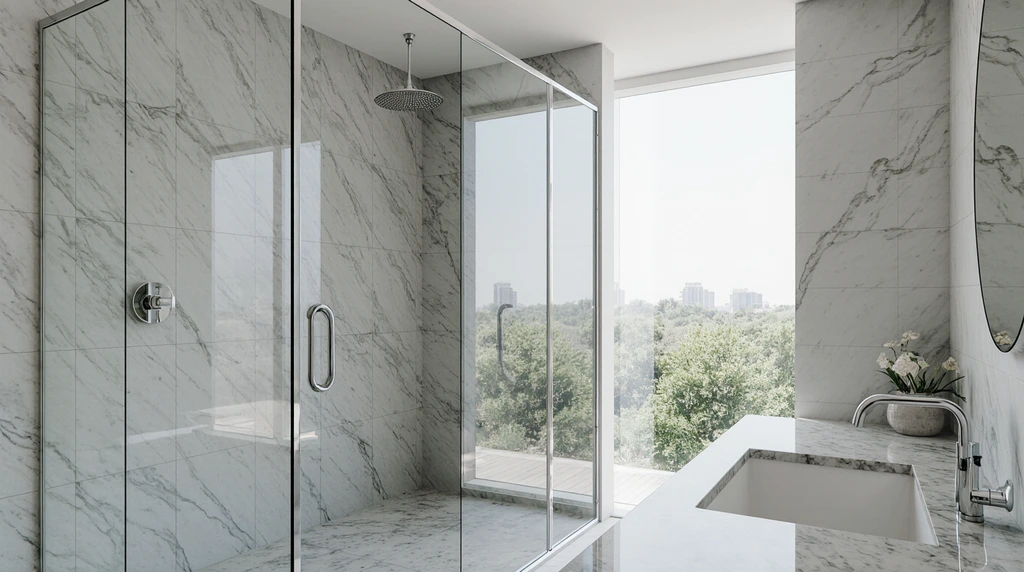
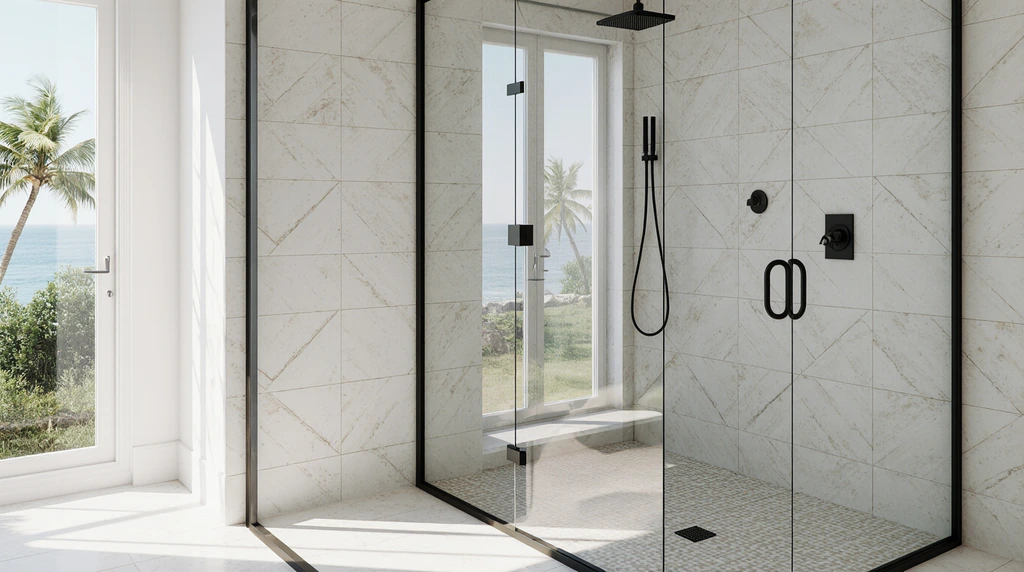
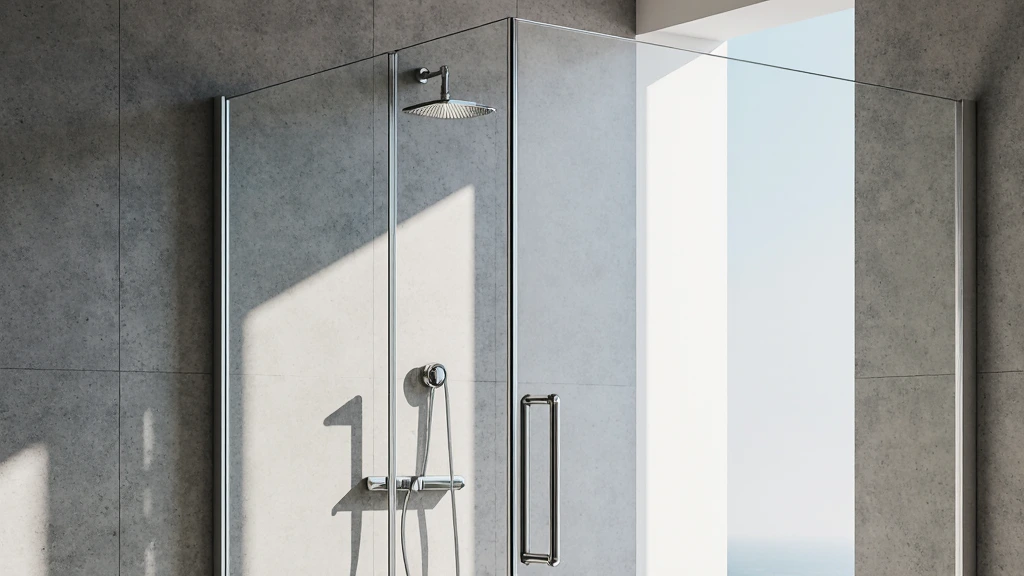
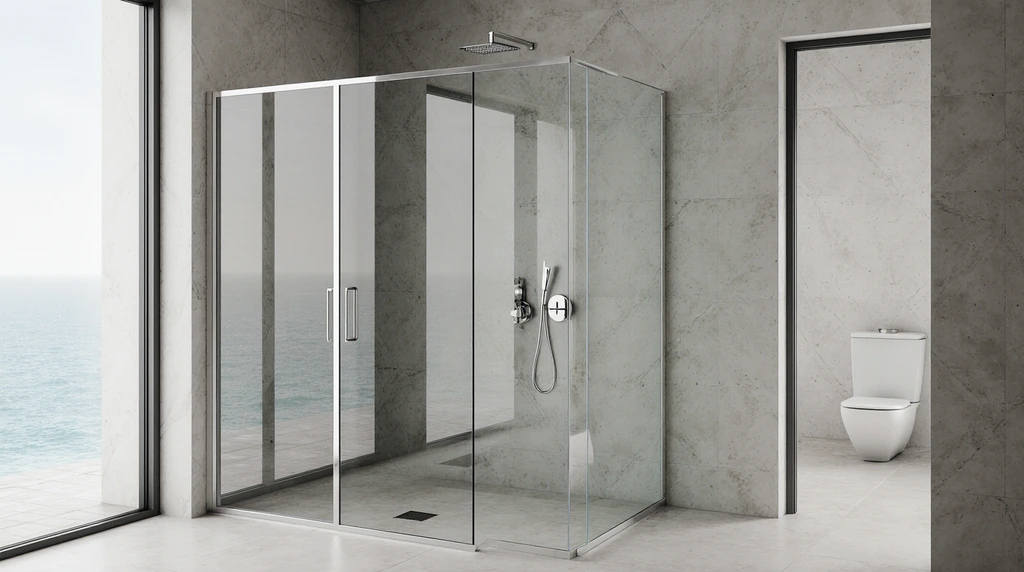
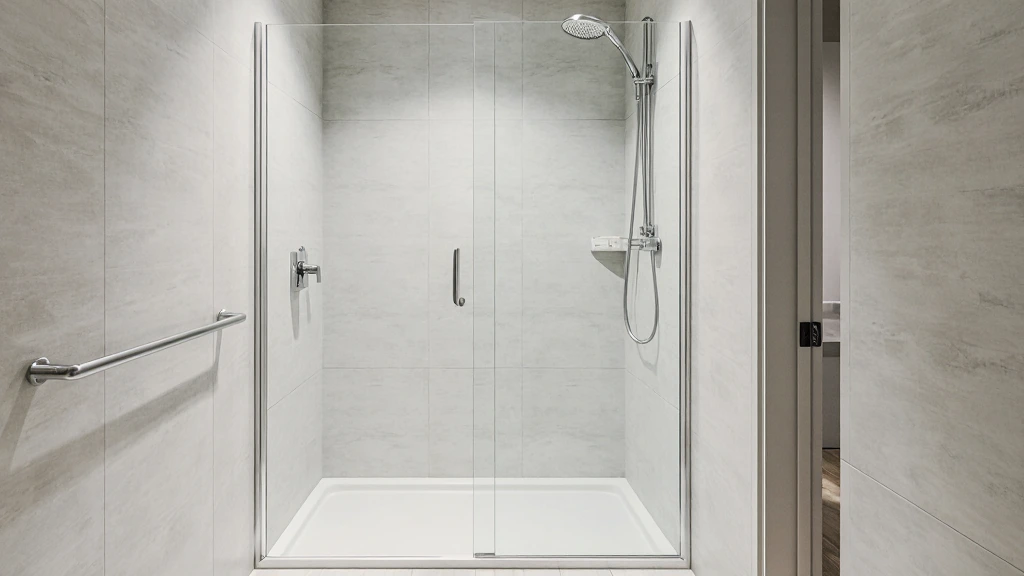
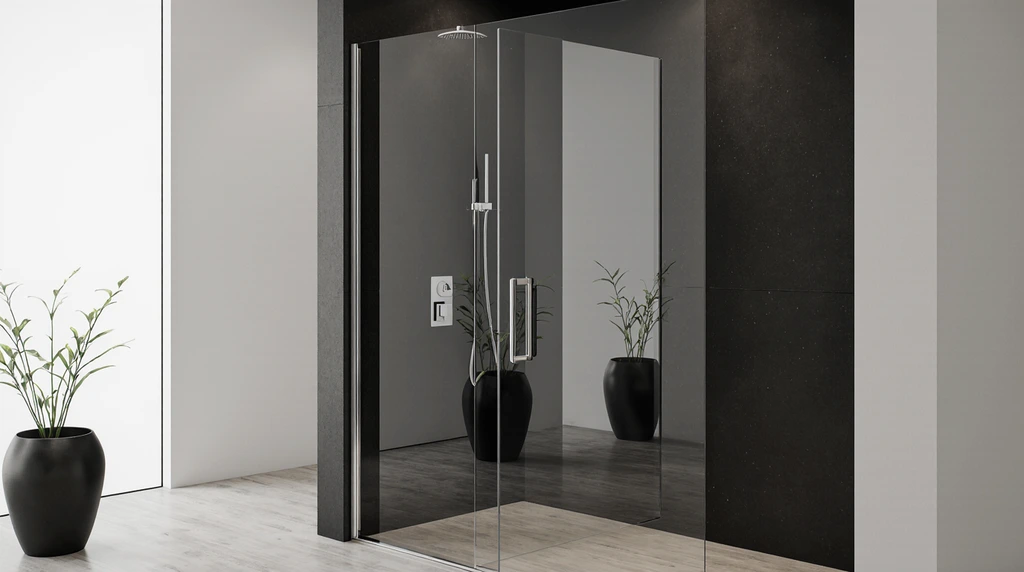
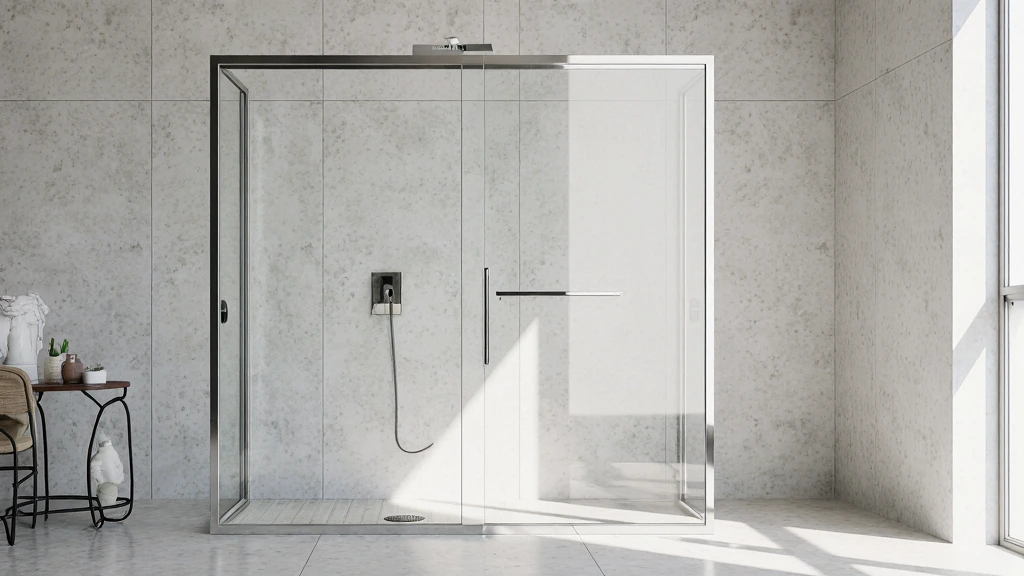
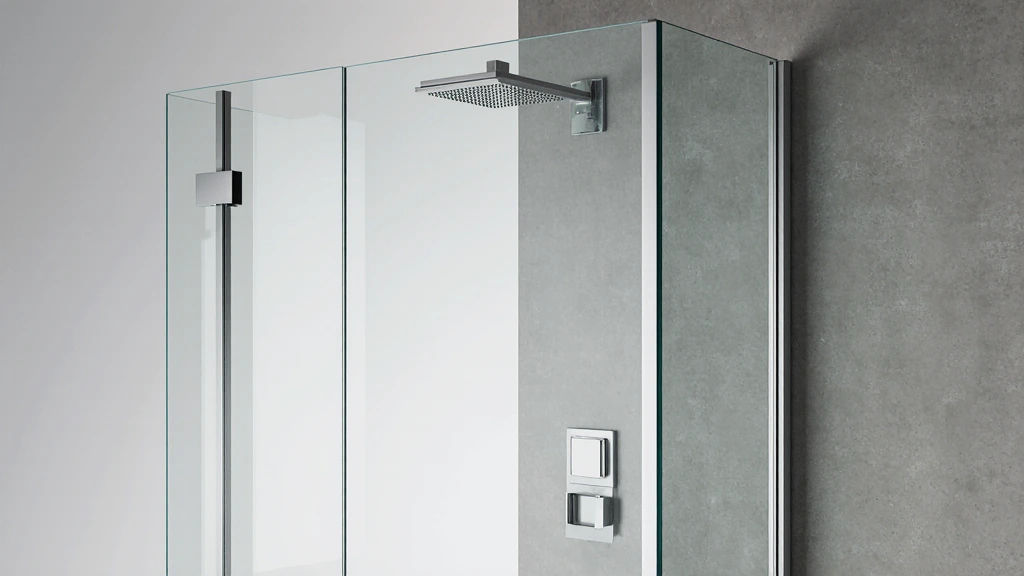
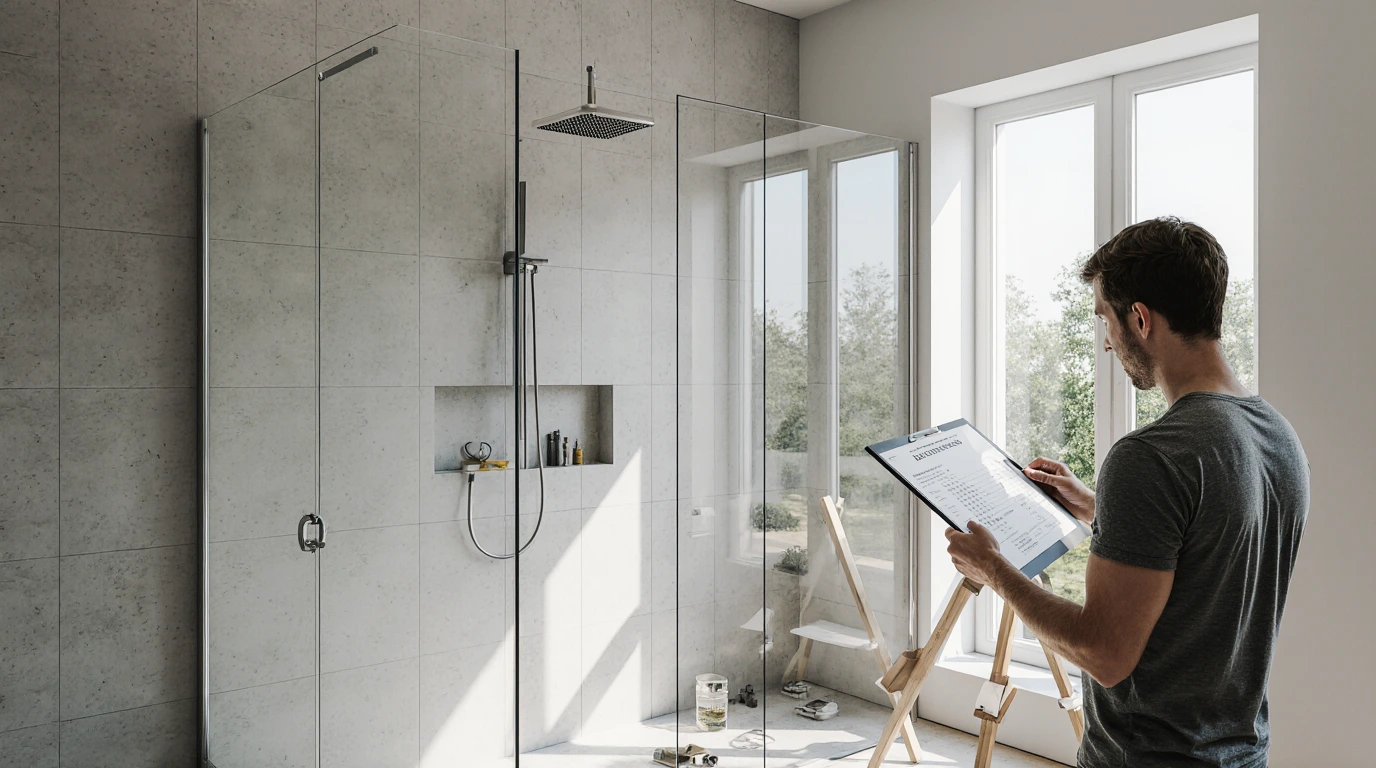
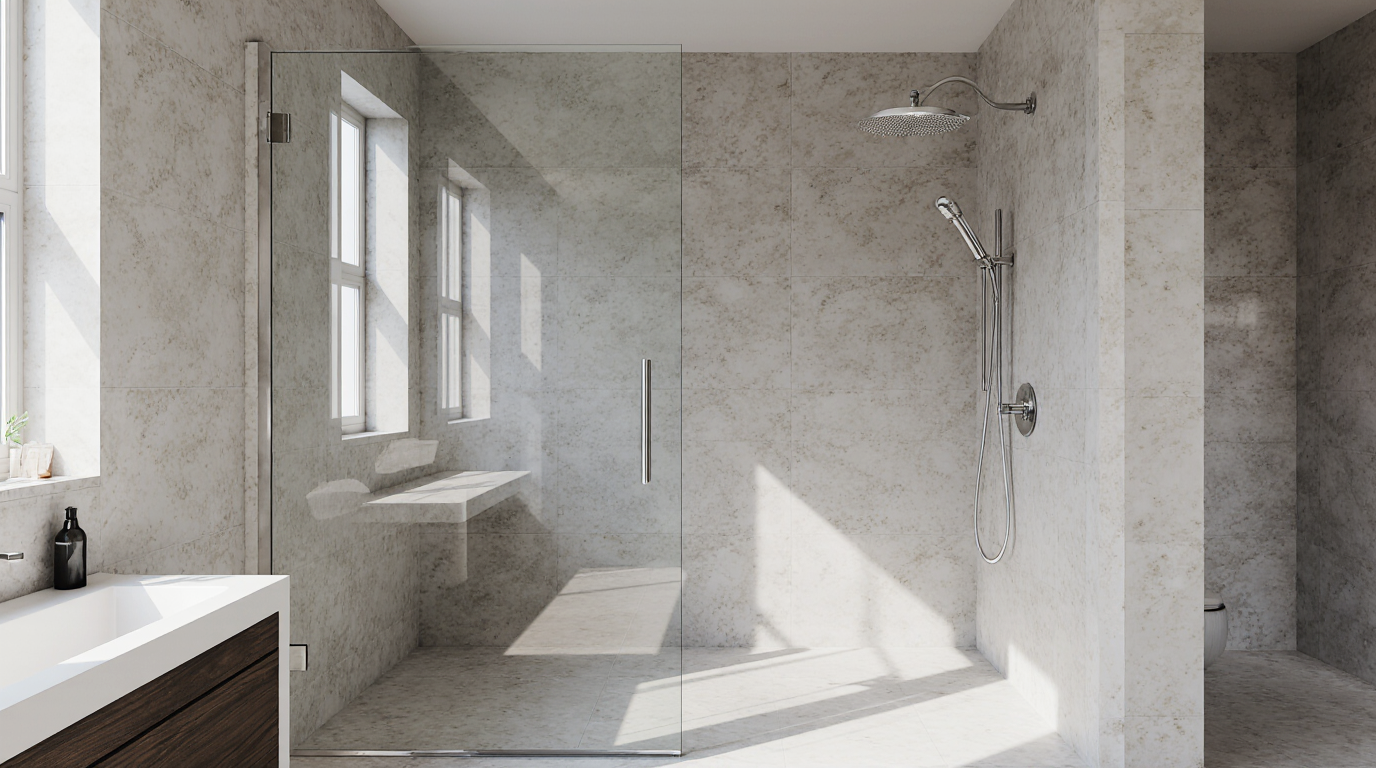
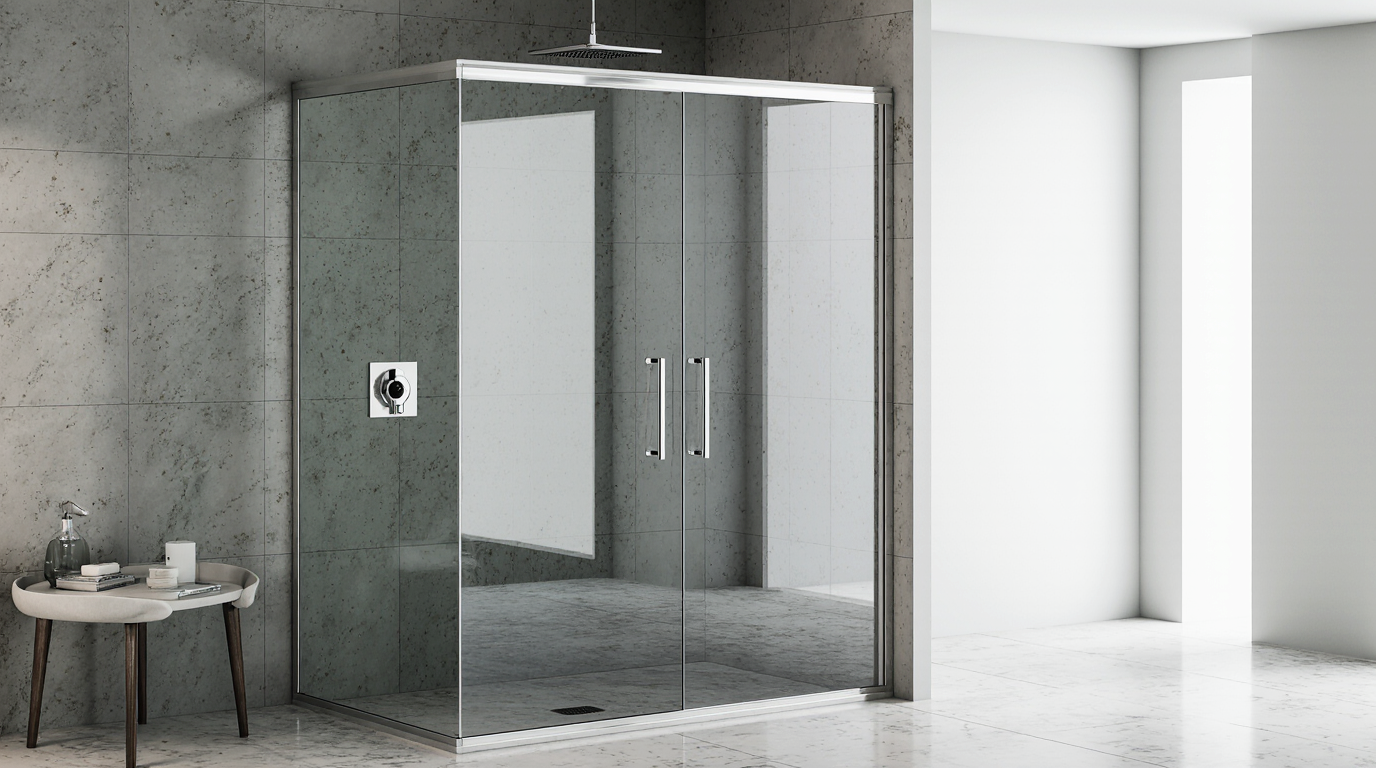
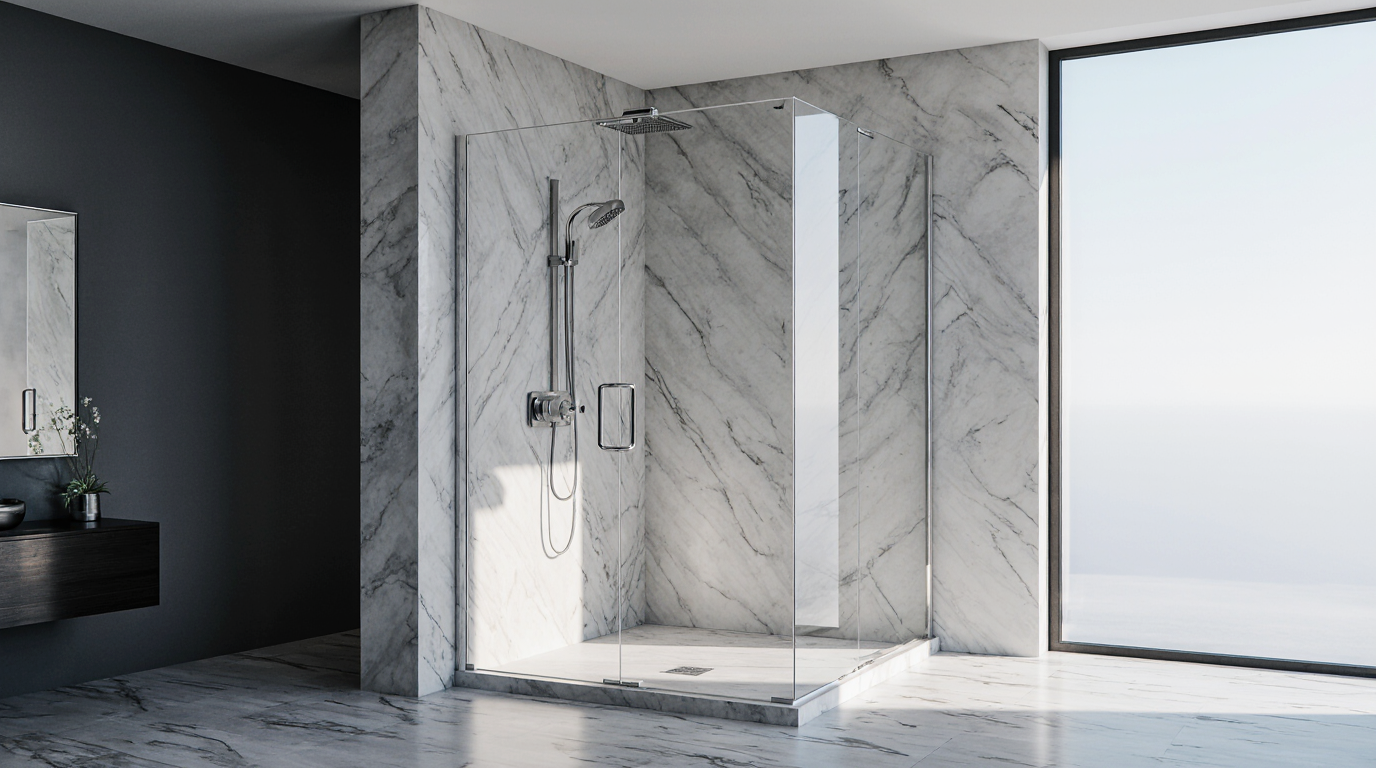
Redefining a bathroom into a tranquil retreat starts with the choice of a modern glass partition. Completely replacing the tired appearance of traditional plastic barriers, these elegant units establish an impression of spaciousness and contemporary elegance to the interior space.
Redefining a bathroom into a tranquil retreat starts with the choice of a modern glass partition. Completely replacing the tired appearance of traditional plastic barriers, these elegant units establish an impression of spaciousness and contemporary elegance to the interior space.
The key element guaranteeing safety and durability in this area of construction is toughened safety glass, a substance modified to be vastly more resilient than annealed glass, ensuring that in the exceptional circumstance of shattering, it shatters into tiny, pebble-like pieces. Homeowners often gravitate toward frameless designs, which optimize the sense of openness and offer a cohesive, unbroken look within the bathroom. These designs are supported by premium metal components and robust hinge systems for structural integrity, offering an uncluttered look that is at once opulent and simple to maintain.
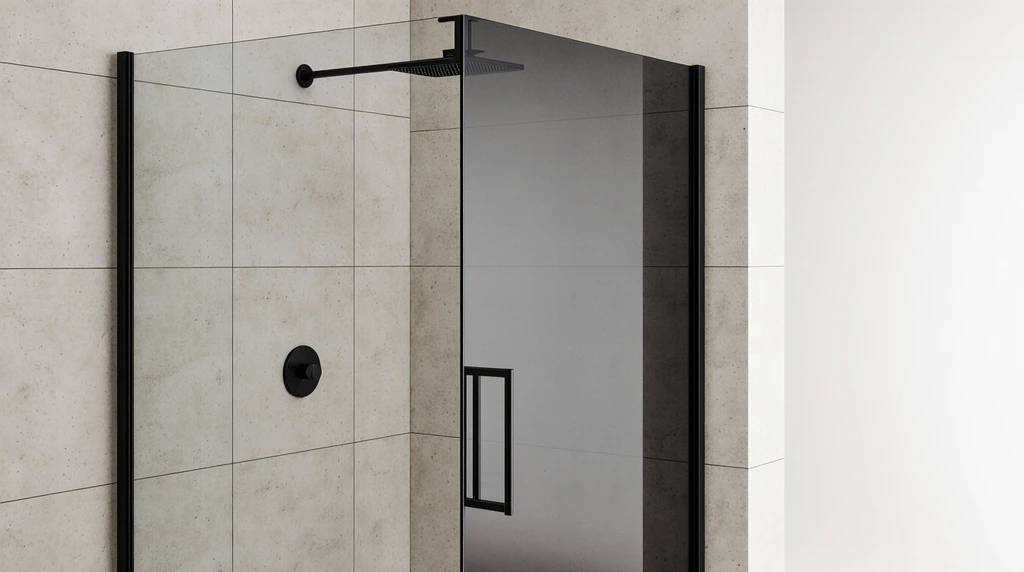
Conversely, partially framed units combine elements of both frameless and framed designs, featuring metal on the exterior boundary but excluding the door panel’s edges, creating a subtly defined appearance with a lighter footprint than fully framed units. Diligent upkeep is critical for maintaining the crystal-clear transparency of the glass; the application of a hydrophobic coating is known to lessen greatly limescale deposits and droplet marks, rendering routine cleaning straightforward.
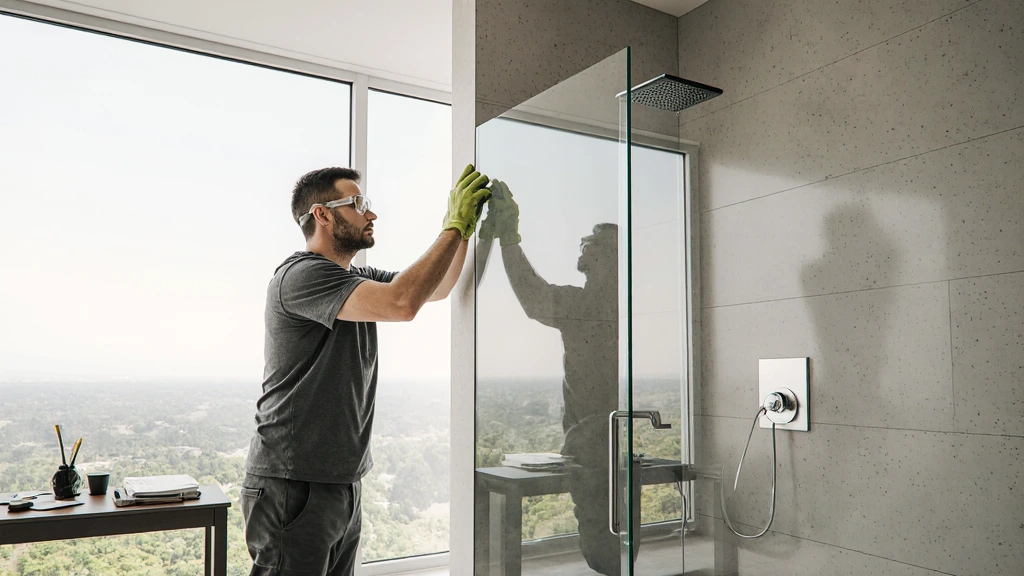
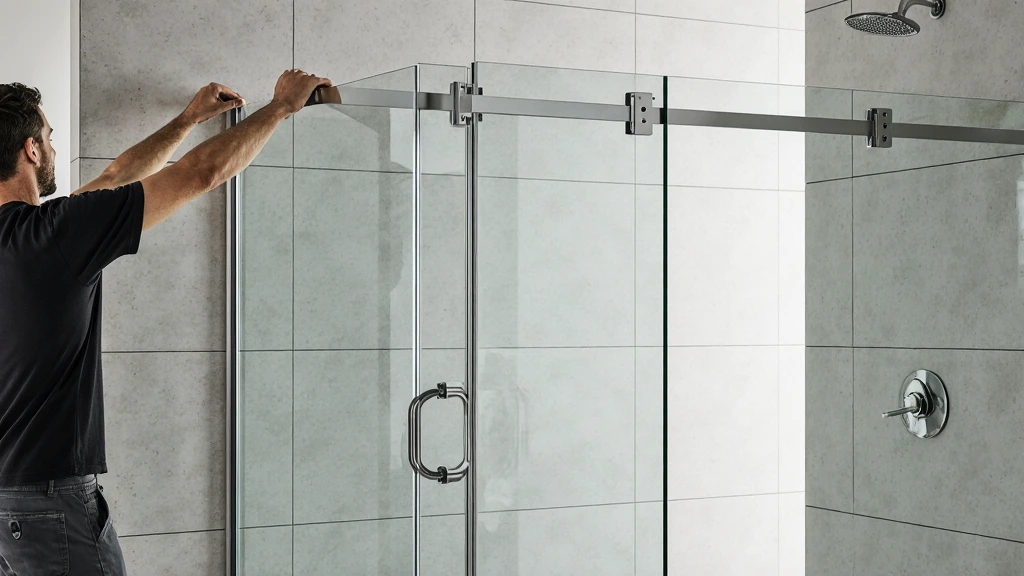
More than just visual appeal, adequate airflow is indispensable to hinder fungal growth and damp conditions, safeguarding the longevity of the enclosure and the adjacent walls and surfaces. When planning this renovation, precise measurements are paramount, often necessitating a custom-fit approach to fit non-standard dimensions and uneven construction. Utilizing expert technicians is highly recommended to ensure the sealing is perfect, stopping water seepage and guaranteeing the enclosure operates flawlessly for years to come. This enhancement elevates not only the bathroom’s function but also the home’s overall resale value, making it a powerful statement of sophisticated design and long-term durability.
Custom Glass Shower DoorsWhen considering a bathroom renovation, custom glass shower doors deliver exceptional beauty and utility. In contrast to stock, off-the-shelf doors, custom doors are made to perfectly match the unique measurements of your enclosure, providing a perfectly uniform aesthetic. The bespoke nature of this choice lets you select every detail from the glass type and thickness to the hardware finish, transforming your shower into a distinctive highlight. Accurate sizing and a custom plan also help to reduce the potential for water seepage and enhance the durability of the unit.
The customization process usually starts with a meeting where an expert measures your space and discusses your aesthetic preferences. You can select from a range of door types, including bypass (sliding), pivot, or hinged options, depending on your bathroom layout and accessibility needs. Furthermore, the type of glass can significantly impact the final appearance—options include clear, frosted, etched, or low-iron glass, each offering a different level of privacy and light transmission.
A significant benefit of investing in custom doors is the ability to accommodate oddly shaped shower areas. If your shower is in an oddly shaped corner, under a sloped ceiling, or requires specialized cutouts, a custom solution is essential for a perfect fit. Such precise tailoring removes unsightly spaces and guarantees a high-quality result that boosts the property's worth.
Beyond aesthetics, custom glass provides practical advantages. Thicker, tempered glass offers greater durability and safety. When professionally installed, these doors contribute to a sleek, frameless look that is easier to clean and maintain, reducing the chances of mold and mildew build-up compared to shower curtains or framed doors with complex tracks.
Opting for custom glass enclosures represents a commitment to your home's style and craftsmanship. It provides an opportunity to transform a practical area into a spa-like retreat. By selecting high-quality materials and a design perfectly matched to your taste, you can ensure a beautiful, durable outcome that offers enjoyment for decades.
Shower Door Installation Near MeSecuring quality local shower door installers is the essential conclusion after choosing your perfect enclosure. Expert fitting guarantees your glass is securely fastened, glides effortlessly, and is perfectly waterproofed to stop leaks. A reputable local installer will have the right equipment, expertise, and coverage to handle the delicate and weighty glass panels with confidence and skill.
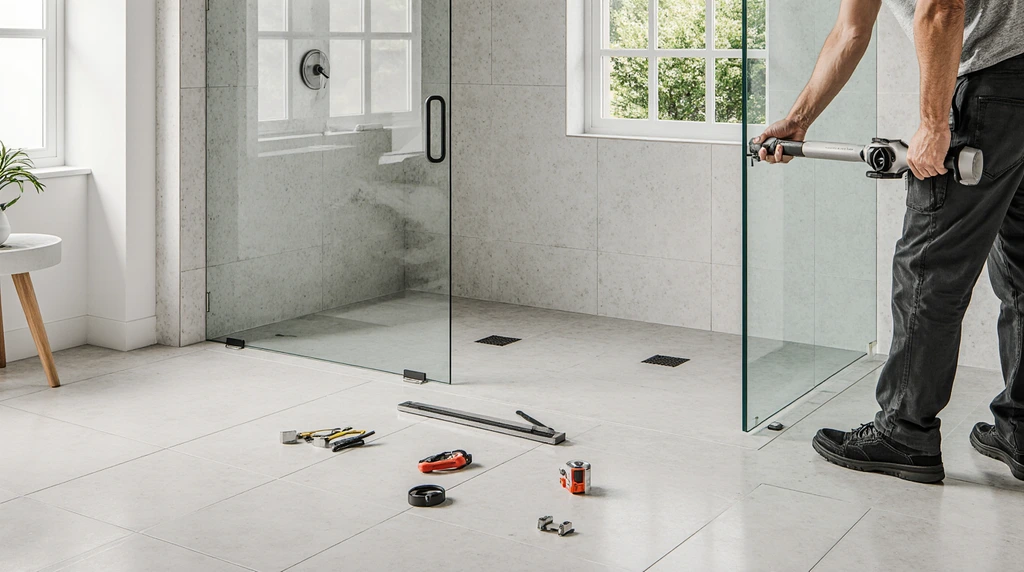
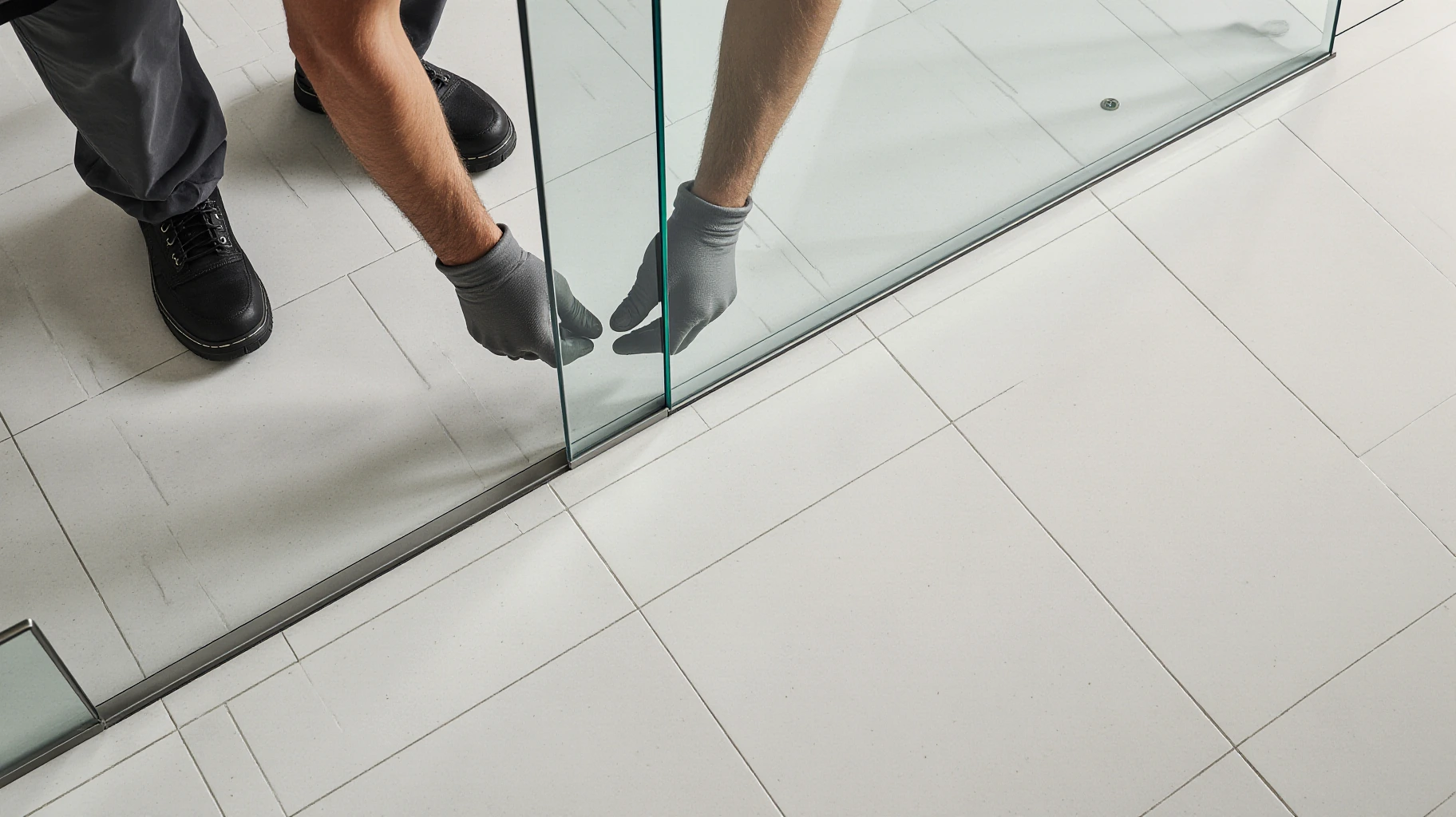
The process involves more than just hanging the door; it starts with precise site preparation and accurate measurements, which are vital for a flawless result, especially with frameless designs. Professional technicians are trained to identify and address potential issues related to the wall structure or uneven surfaces that could compromise the stability and seal of the enclosure.
When looking for nearby companies, look for companies with excellent testimonials and a gallery of prior work. A good installer will offer a comprehensive service that includes the removal and disposal of old shower doors or curtains, expert transportation of the new panels, and thorough tidying once the job is finished. They should also offer an explicit guarantee for their workmanship.
Selecting a nearby fitter typically translates to quicker service and a more customized experience. They are typically more familiar with regional building codes and standards, ensuring your new setup meets all safety and legal standards. In addition, a nearby company can generally offer faster service calls should any adjustments be needed after the installation.
The correct installation reduces future repair needs and significantly extends the life of the enclosure. Properly aligned and sealed doors are less prone to wear and tear, ensuring the hardware remains secure and the glass stays in place for a lifetime of use. For this critical upgrade, always value the installer's expertise and quality of work over simply picking the cheapest quote.
Glass Shower Doors Near MeWhen seeking glass shower doors near me, the goal is to find local suppliers and installers who can handle both the sale and the fitting effectively. A local supplier gives you the opportunity to physically inspect the quality of the glass and hardware before making a purchase, which provides a clearer picture of the different styles and finishes available in person. This proximity is essential for fragile, customized, or oversized products like shower glass.
A key advantage of selecting a nearby provider is the simplified scheduling and smoother communication. Local businesses can typically arrange for measurements and installations more quickly and are easier to reach for follow-up questions or services. They are also often invested in maintaining a positive reputation within the community, resulting in better customer service and a commitment to quality workmanship.
You will often find nearby suppliers specializing in both framed and frameless options, offering expert advice tailored to your specific bathroom size and budget. Frameless doors, for example, have become increasingly popular for their modern aesthetic, while framed doors offer a more traditional look and tend to be more affordable. A nearby showroom allows you to see these choices side by side and test the hardware mechanism.
To begin your search, consult local business listings and online mapping services, but always cross-reference potential providers with customer testimonials and ratings. A reliable local company will provide a clear, written estimate that details the cost of the door, hardware, and installation fees upfront. This transparency is crucial for a smooth and worry-free renovation.
Glass Shower EnclosuresGlass shower enclosures are a prominent component in modern bathroom design, doing away with cumbersome shower curtains with a clean, open, and sophisticated look. These enclosures transform the shower area into a contained yet visually larger-looking area, which is especially beneficial in smaller bathrooms where they help to maximize the perception of size. The primary benefit is efficiently keeping water in while allowing light to flow freely, brightening the entire room.
Enclosures come in a wide range of configurations to suit any bathroom layout. Options include simple single-panel screens for walk-in showers, full multi-panel doors for corner installations, and customized solutions for unusual areas. The material used is typically tempered safety glass, which is robust and designed to shatter into small, blunt pieces if broken, significantly reducing the risk of injury.
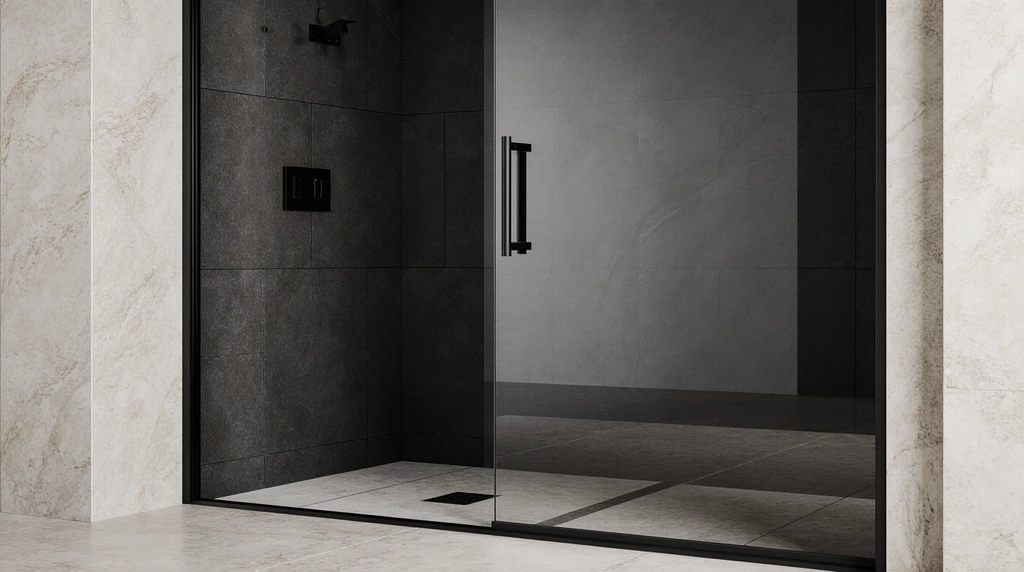
Beyond the standard clear glass, homeowners can personalize their enclosures with a variety of surface treatments. These may include frosted, textured, or tinted glass for increased privacy, or easy-to-clean coated glass that resists water spots and soap scum build-up. The hardware—such as hinges, handles, and support bars—is also a key aesthetic element, available in finishes like brushed nickel, chrome, or matte black.
A professionally installed glass enclosure greatly enhances the market value and aesthetic attraction of a home. It provides a durable, hygienic, and modern barrier that is easier to maintain than fabric alternatives. When sealed correctly, it protects the rest of the bathroom from moisture damage, contributing to a healthier environment by limiting mold and mildew growth.
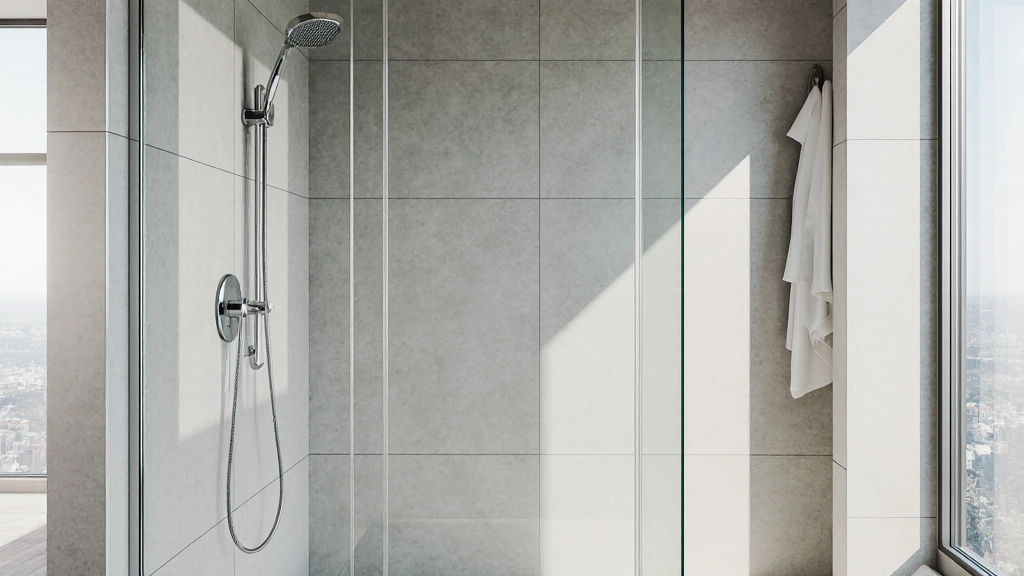
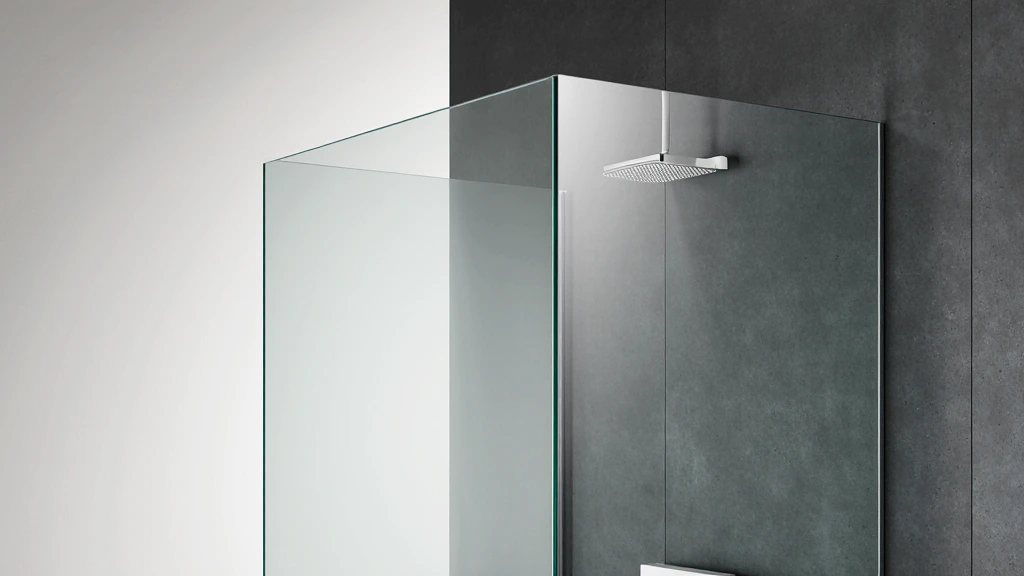
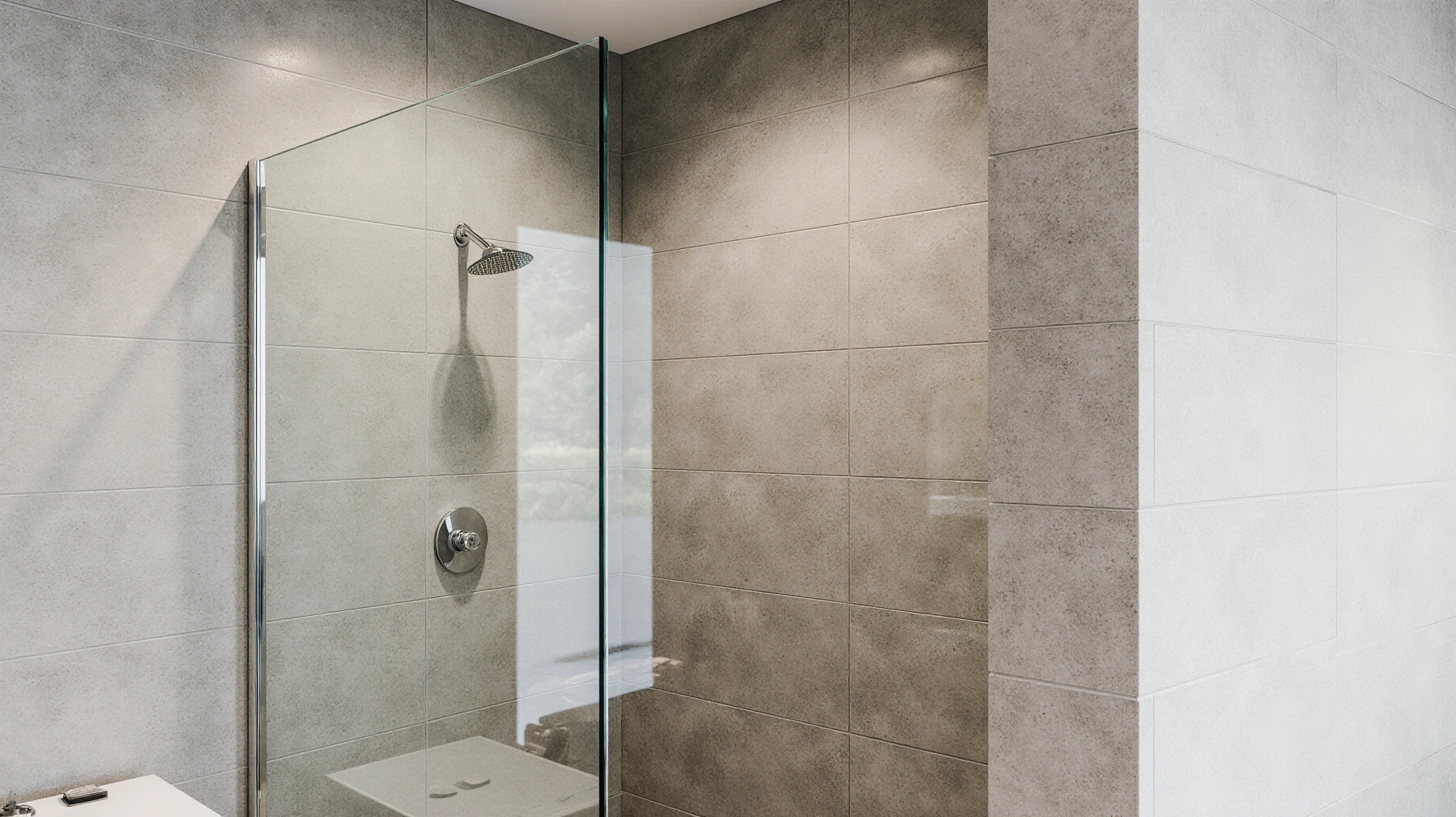
Shower Glass PanelThe shower glass panel, often employed in minimalist, walk-in shower designs, is the ultimate expression of streamlined washroom style. Unlike traditional stalls with moving doors and lots of fittings, a single fixed glass panel offers a clean, open concept that maximizes space and light. This design creates a seamless visual flow, making the bathroom feel significantly larger and more modern.
The glass barrier is in effect, a fixed partition that separates the wet area from the rest of the bathroom, providing simple entry and exit without the need for a door to move or pivot. This uncomplicated nature reduces hardware requirements and eliminates the maintenance associated with door mechanisms, making cleaning and upkeep minimal.
The functionality of a shower glass panel relies heavily on the quality of the tempered glass and the correctness of its installation. Panels are typically thicker than standard shower glass for added rigidity, and they must be securely anchored to the wall and/or floor with minimal brackets or U-channels. The choice of glass coating is important here, as these panels are often subject to direct spray.
While offering an open feel, the design requires a detailed assessment of the water direction and bathroom dimensions to ensure water is adequately contained. The panel should be appropriately dimensioned to prevent excessive splashing onto the bathroom floor, a task best managed by professional installers who can calculate the ideal size and placement based on the location of the shower spray.
The installation of a stationary glass screen is a preferred option for homeowners seeking a minimalist, accessible, and premium aesthetic. It's a statement piece that emphasizes clean lines and clear views, making it a sought-after element in upscale and contemporary bathroom remodels.
Replace Shower Doors with FramelessTraditional framed shower doors often feel bulky and can quickly make a bathroom look outdated. If you are looking for a major and modern upgrade, replacing your existing framed enclosure with a smooth, doorless glass panel is an smart choice. This change instantly elevates the aesthetic appeal of your bathroom, giving it a luxurious, spa atmosphere that feels open and luxurious. The lack of bulky aluminum tracks reduces unnecessary bulk and enhances visibility of your stunning wall tiles.
Opting to swap out a traditional door with a frameless one involves more than just aesthetics; it's also a practical choice. Framed doors have numerous crevices, seals, and tracks where moisture, soap scum, and mildew can accumulate, making cleaning a difficult and frequent task. Doorless panels, conversely, consists of thick, tempered glass with minimal hardware, offering a smooth, continuous surface that is significantly simpler to clean and maintain. This reduction in maintenance time is a key selling point for homeowners.
The fitting procedure, while trickier than a standard door swap because the glass is thicker and need for accuracy, is a good use of resources. Frameless doors use durable pivot points and secure wall mounts, providing great firmness and longevity. A professional installer will ensure the perfect fit for your specific space, compensating for imperfect walls to guarantee a tight seal and smooth operation.
Ultimately, this upgrade is a visually striking remodel that boosts the potential resale price and enjoyment of your bathroom. The clean lines and contemporary look of a frameless enclosure are always in style and fit well with modern design trends. It transforms a functional area into a focal point of design, helping to create a more unified and elegant indoor space.
Frameless Glass DoorsGlass doors without frames represent the pinnacle of modern interior design, providing a adaptable option for shower cabins and different indoor passages. Characterized by limited metal components—usually only pivots and pulls—these panels form an almost invisible partition. The unbroken, pristine glass surface permits daylight to permeate the room without hindrance, a major benefit in constrained spaces where optimizing light is paramount.
The thick, tempered safety glass used in these installations is both robust and inherently beautiful. It delivers the essential barrier and screening without compromising an airy, continuous atmosphere. In contrast to models with frames, unframed doors don't create a weighty visual demarcation, allowing for continuous sightlines that make any room feel instantly larger and more airy. This quality is greatly desired in modern structural and residential aesthetics.
Maintenance is another significant advantage. Since there are no hardware channels or rubbers to hold soil and water, wiping down a frameless glass panel is remarkably straightforward. A regular squeegee or glass cleaner is often all that is needed to keep the surface sparkling and free from water spots. This ease of care ensures the door maintains its pristine, high-end appearance for years with minimal effort.
In terms of aesthetics, unframed glass panels offer extensive personalization. They can be adjusted to practically any dimension and elevation, and the hardware—provided in materials like mirror-finish chrome, dull silver, or solid black—is selectable to complement established taps and components. This flexibility provides householders with the ability to create a uniquely tailored and consistent aesthetic that elevates their property's look.
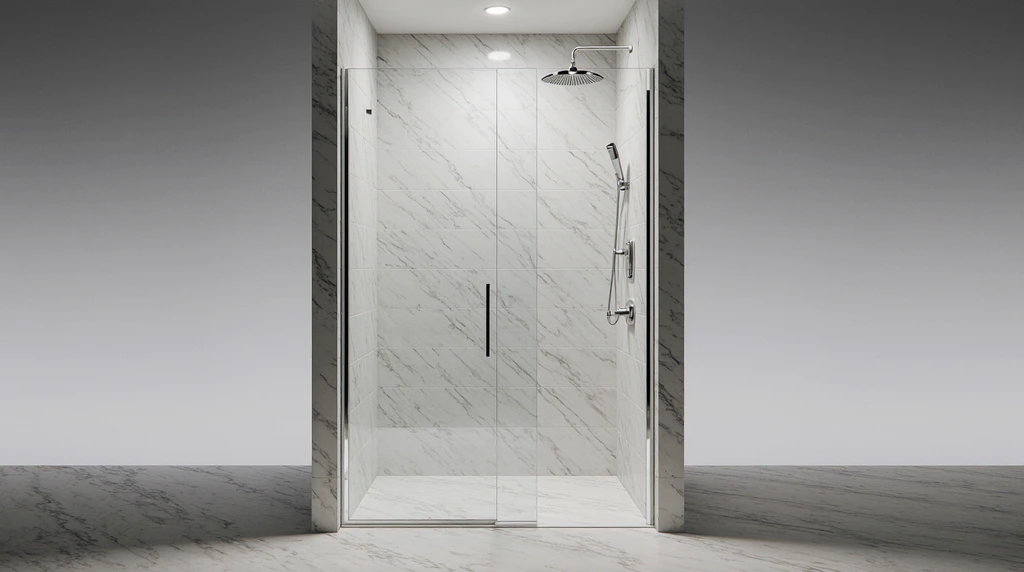
Frameless Glass Swing DoorA frameless glass swing door, commonly known as a hinged or swinging panel, serves as an upscale option for shower cabins, blending operational effectiveness and elegant appeal. This design functions by rotating around hinges fastened straight into the wall or onto a stationary glass element, allowing the door to swing open cleanly in one direction (or occasionally both, depending on the hardware). This straightforward, yet sturdy, action is central to its sleek simplicity.
The pivoting operation is proof of the door's robust build. It necessitates applying substantial, top-grade toughened glass, usually around $3/8$ or $1/2$ inch thick, which supplies the required mass and stability. The precision-engineered hinges are designed to support this weight reliably over years of use, guaranteeing a fluid and easy movement whenever the panel is used. This sense of substance and finish directly enhances the upscale atmosphere of the washroom.
One of the greatest benefits of a swing door is its accessibility and ease of use. Unlike sliding doors which can be restrictive, a swing door provides a wide, clear path into the shower area. This is a key element of accessible design, ensuring the bathing area is easier and more comfortable for every person. The clean swing motion also ensures that any water dripping from the door, when opened, is contained within the shower pan or curb.
In the process of bathroom design, the necessary swinging space needs cautious calculation to ensure clearance from close components such as the basin or lavatory. However, when properly integrated, the unframed hinged panel transforms into a striking architectural feature. Its clear quality and sparse fittings emphasize the skill and detail of the washroom construction, introducing a level of structural refinement that a conventional, bordered panel cannot achieve.
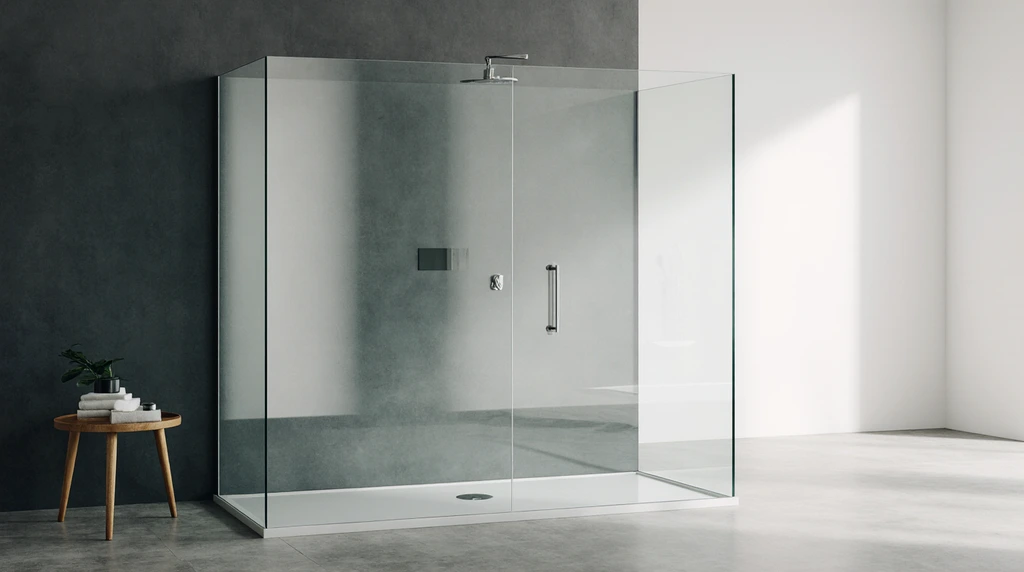
Frameless Glass Shower EnclosuresThese frameless shower units are the preferred option for luxury and modern functionality, setting the standard for contemporary luxury and functionality. These enclosures are characterized by sturdy, toughened glass sections that are held in place by minimal metal hardware, eschewing the bulky frames of older designs. The result is a structure that is nearly invisible, maximizing the sense of space and openness within the bathroom.
The aesthetic impact of this design is profound. By eliminating heavy frames, the enclosure allows light to permeate the entire space, making the space feel more illuminated and expansive. This transparent quality draws the eye to the interior elements of the shower, such as custom tile work, high-end fittings, and integrated shelving, transforming the shower area from a merely functional space into a key design feature.
In terms of material and construction, frameless enclosures utilize thick, robust glass for maximum security and strength, often in thicknesses that require sophisticated installation techniques. The hardware, consisting of sleek clips, clamps, and hinges, is typically made from high-grade solid brass or polished stainless steel, guaranteeing they withstand the constant moisture without corroding. This focus on superior materials ensures extended longevity and a perpetual flawless look.
The design flexibility is another reason for their popularity. Frameless enclosures can be tailored precisely for almost any bathroom configuration, including non-standard configurations, such as diamond-shaped showers, and bath-side installations. Whether you have a small space requiring a single door and inline panel or a spacious, open shower demanding several stationary glass sections, the frameless system provides a tailored solution that is both visually stunning and highly functional.
Frameless Shower EnclosureA frameless shower enclosure is the hallmark of sophisticated bathroom style, focusing on clean lines, beauty, and excellent utility. The defining characteristic is the absence of a continuous metal frame around the glass panels, resulting in a refined, modern appearance. This design choice is inherently modern and is commonly specified in high-end residential upgrades and developments.
The construction of a true frameless enclosure depends entirely on the robustness and gauge of the glass. Using heavy tempered glass, the structure requires only minimal hardware—such as hinges and discreet wall clips—to maintain stability. This discreet support system not only enhances the modern style but also reduces the surface area where soap residue and mold can accumulate, resulting in a shower that is easier to keep spotless and more hygienic.
Installing a frameless shower greatly contributes to an open, flowing bathroom design. The transparent panel functions as a nearly unseen divider, enabling the bathroom’s design elements to connect fluidly. This results in a room that feels more unified and less cut up, which is vital in compact areas. The seamless visual connection between the bathroom and shower space is a recognized sign of high-quality design.
For homeowners, investing in a frameless shower enclosure is an investment in both lifestyle and property value. Its high-quality components and enduring style prevent it from becoming quickly outdated. Furthermore, the visual impact and superior standard of the frameless design are often cited by real estate professionals as features that make a home more attractive and marketable to potential buyers.
Fixed Shower Door GlassA fixed shower door glass, often a substantial piece of tempered glass, plays a key function in modern bathroom design by providing a sleek, permanent barrier for your shower enclosure. As opposed to movable shower screens, this fixed pane is fastened straight to the wall and/or base, removing the necessity for massive tracks and improving the perception of airiness. The stability of a fixed panel guarantees superior water sealing, provided it is properly installed and sealed along its edges.
Deciding on the correct fixed screen involves considering the thickness and type of glass. Generally, thicker glass, such as 10mm or 12mm, is preferred for its enhanced durability and premium feel, contributing greatly to the fundamental strength of the enclosure. The glass can be clear, which is ideal for showcasing beautiful tile work, or it can come with opaque or patterned surfaces to offer more privacy without sacrificing natural light.
The installation process is critical for safety and longevity. Fixed panels typically utilize sturdy, slimline clamps or runners to secure the glass, providing a minimalist look. Accurate positioning and expert waterproofing with sealant are crucial for avoiding water seepage and ensure the panel can bear everyday wear without dislocation. This simplicity in design makes upkeep less demanding compared to doors with many flexible components or rails.
A major advantage of fixed glass panels is their power to outline the bathing zone without making the bathroom appear divided. They harmoniously blend with the adjacent furnishings, giving the entire space an open, current look. This style is particularly effective in smaller bathrooms where maximizing the perception of space is a priority.
Frameless Fixed Shower PanelThe frameless fixed shower panel represents the pinnacle of minimalist bathroom design. By doing away with metallic edging completely, the focus is directed entirely toward the screen, creating a nearly invisible barrier that elevates the bathroom's aesthetic. This design is in great demand for its ability to foster an open-concept look, making even compact bathing areas look substantially bigger and better lit.
For a fixed panel to be genuinely without a frame, it must utilize robust, toughened-glass, often a 12mm pane—secured with very few fittings, often merely compact clamps or wall fastenings. This robust screen provides the required foundational stability without a frame. The smooth silhouette and unimpeded views contribute to a luxurious, spa-like atmosphere that is much appreciated in modern interior styling.
Ease of cleaning is a primary advantage of a frameless design. Without metal channels or frames to trap soap scum and mold, the glass surface is less challenging to dry and preserve its clarity. Adding a specialized surface layer can help reduce water marks and scale deposits, making daily upkeep less demanding and preserving the glass's clarity over time.
While installation is more specialized due to the weight and precise measurements required, the result is a sturdy, enduring screen. A frameless fixed panel acts as an elegant architectural element, subtly separating the wet area from the dry while enabling daylight to stream through effortlessly, which is a main tenet of contemporary decoration.
Fixed Glass Panel Shower DoorA stationary panel shower door, also referred to as a stationary panel, acts as the non-moving component of a shower enclosure system that often includes a door, but is itself a fixed panel. This panel is permanently installed, keeping splashing water contained and forming one or more sides of the shower enclosure. It is the architectural anchor that keeps the entire setup stable.
When a swing or sliding door is used, the fixed panel usually sits next to the door. Its primary function is to seal the shower space and offer a solid surface for the moving door to seal against or slide past. For a corner setup, two fixed panels can be used to form an open walk-in shower, where the panels establish the opening without any movement.
It is essential to choose high-quality glass for the fixed panel because it is responsible for the stability of the entire enclosure. Safety is ensured by tempered glass, as it breaks into small, safe pieces if damaged. The selection of hardware, like wall channels or minimal clips, determines the final look of the panel, ranging from highly visible framed looks to virtually invisible frameless installations.
This type of panel is vital for controlling water movement. The height and width need careful calculation to ensure spray containment, especially in walk-in designs. The seals on the lower and side edges of the fixed panel are crucial for creating a watertight enclosure, protecting the rest of the bathroom floor from damage. Its static nature makes it a reliable barrier and a fundamental part of the overall shower function.
Stationary Shower GlassAny fixed, non-moving pane used in a shower design is generically called stationary shower glass used in a shower design, serving as a permanent wall or defined enclosure. This architectural element has been adopted widely in contemporary bathrooms, shifting the focus from fully enclosed, opaque units to more spacious and light-filled designs. Its fundamental purpose is to partition the space without blocking light or sightlines.
The appeal of stationary glass is rooted in its easy maintenance and cleanliness. Because it is static and avoids complicated tracks or hinges, there are fewer places for mold and mildew to take hold. This ease of cleaning contributes significantly to maintaining a high standard of hygiene and the enduring clean aesthetic of the bathroom.
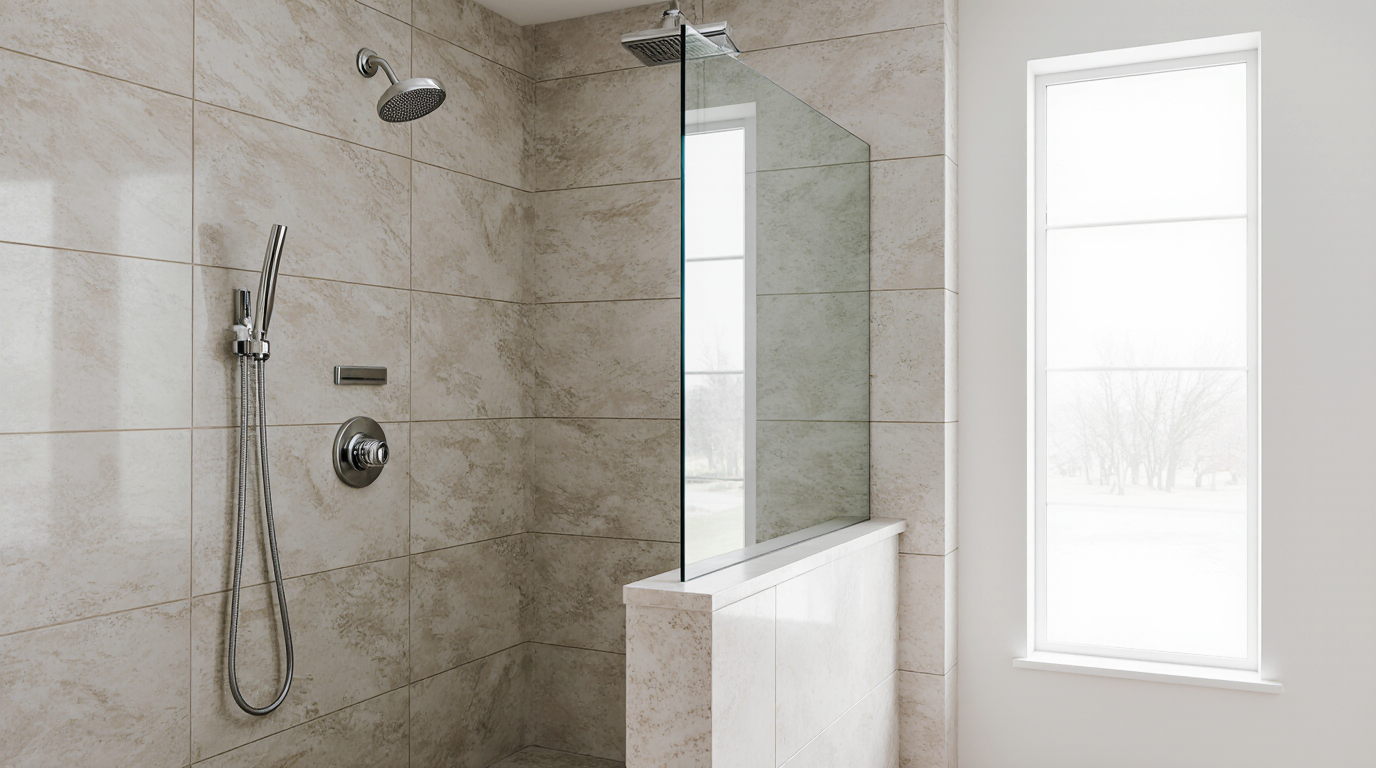
Design variations are plentiful, allowing stationary glass to be customized to fit nearly any bathroom layout. Options involve using a single tall panel for a classic walk-in shower or a "spray shield", a smaller piece of glass used primarily near the showerhead to contain water spray while leaving a large, open entry point.
The choice of mounting system significantly influences the stationary glass's ultimate appearance. Minimal hardware, such as sleek metal clips, results in the desired frameless look, while a full metal channel provides a more classic or solid look. Irrespective of the mounting system, professional installation is crucial to ensure the heavy glass is securely fastened and perfectly plumb.
Fixed Shower Glass PanelA stationary shower glass panel is a section of robust, safety glass firmly installed in a set location to define the boundaries of a shower area. It functions as a fixed, rigid wall that lets light flow through the area, contributing to a light-filled and spacious bathroom environment. This design is central to the modern open-plan shower design.
The primary structural consideration for a fixed panel is the firm attachment to adjacent walls and/or the floor. Depending on the measurement and visual style, this can be achieved by employing an aluminum track that runs the length of the glass edge or by employing small, specialized metal clips. For bigger sheets of glass, a sheet-to-structure support bar may be needed to ensure stability and ensure structural integrity.
In terms of performance, a well-placed fixed panel is instrumental in water management. In a curbless shower design, the fixed glass can be placed purposefully to complement the floor slope, guaranteeing effective water runoff without escaping the shower area. The design has to factor in the water flow pattern, particularly regarding the distance between the fixed panel and the showerhead.
Aesthetically, the panel provides a chance for subtle customization. While clear glass is typically the top selection for its unobtrusive appearance, a fixed panel can feature subtle tints, sandblasted privacy stripes, or optically clearer glass, which contains almost no green cast, offering truer color representation of the tiles in the background. This flexible design means the fixed panel serves as both a practical requirement and a elegant stylistic choice.
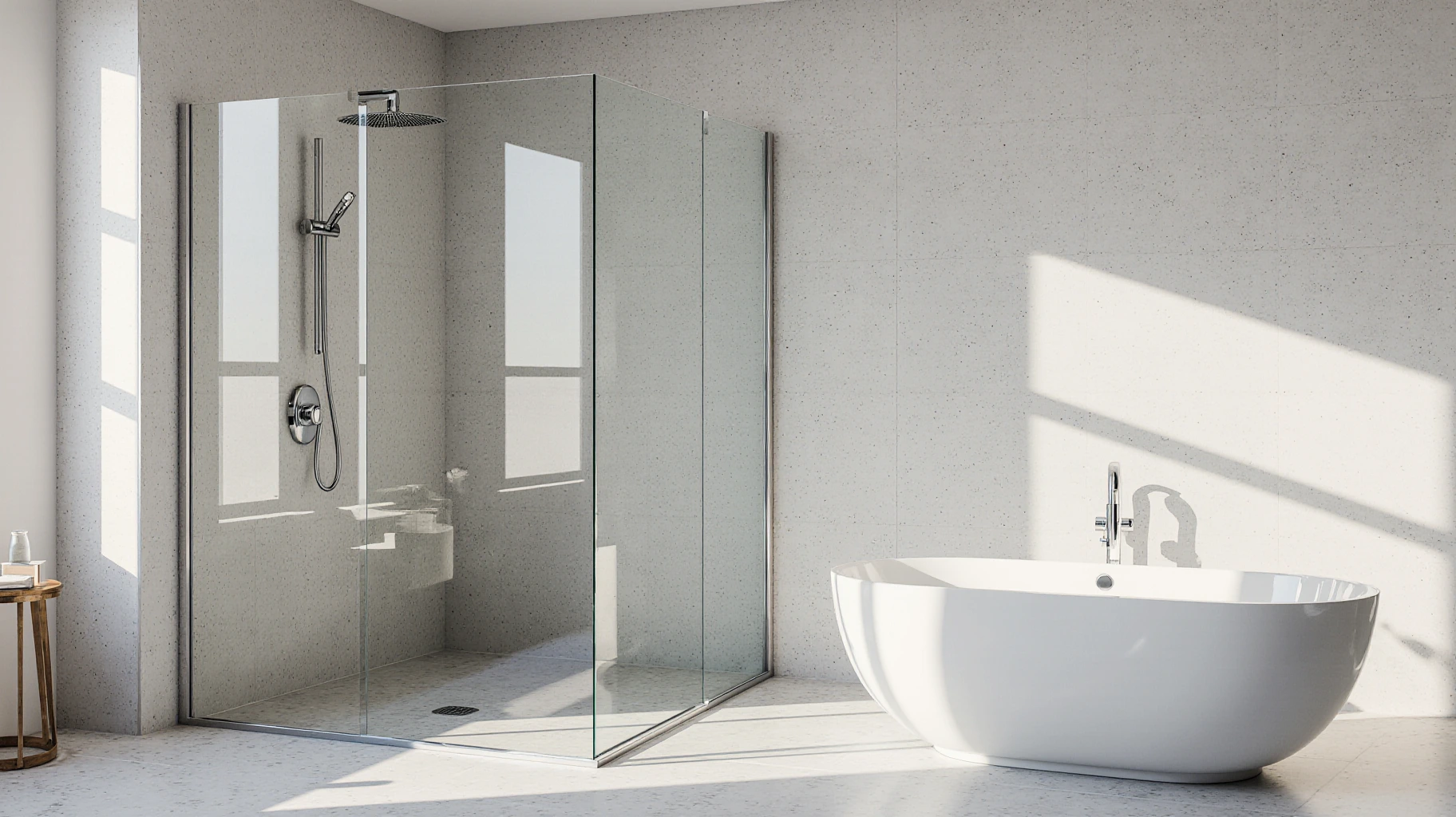
Frameless fixed glass shower panelThis frameless fixed glass shower panel stands as the epitome of sleek, modern design, ensuring a virtually transparent shower space. By doing away with the bulky metal structures typical of traditional enclosures, the focus shifts entirely to the clear, continuous expanse of glass, achieving a truly streamlined and spacious aesthetic. This style is essential for showing off intricate tile work or high-end fixtures within the shower.
The frameless configuration utilizes durable, tempered safety glass, typically measuring $1/2$ inch in thickness, which provides necessary structural integrity without the need for an external metal skeleton. The panel is typically secured only at the points where it meets the wall and floor, often with small, high-shine hardware pieces. This limited use of fittings ensures a pristine, seamless look.
In addition to its striking look, the frameless nature also makes maintenance significantly easier. The frameless structure ensures no ledges or tracks exist for water spots and soap scum to collect and create buildup. The edges are smooth, making it simple to wipe down the entire surface quickly and effectively, ensuring a hygienic environment.
The design freedom offered by frameless panels is another key advantage. They can be precisely tailored to accommodate nearly all shower enclosures, including those with awkward layouts or non-standard ceiling lines. For homeowners seeking a tranquil, high-end bathing space, a frameless fixed panel creates a smooth, uninterrupted flow from the shower area to the main bathroom, enhancing the sense of openness and space.
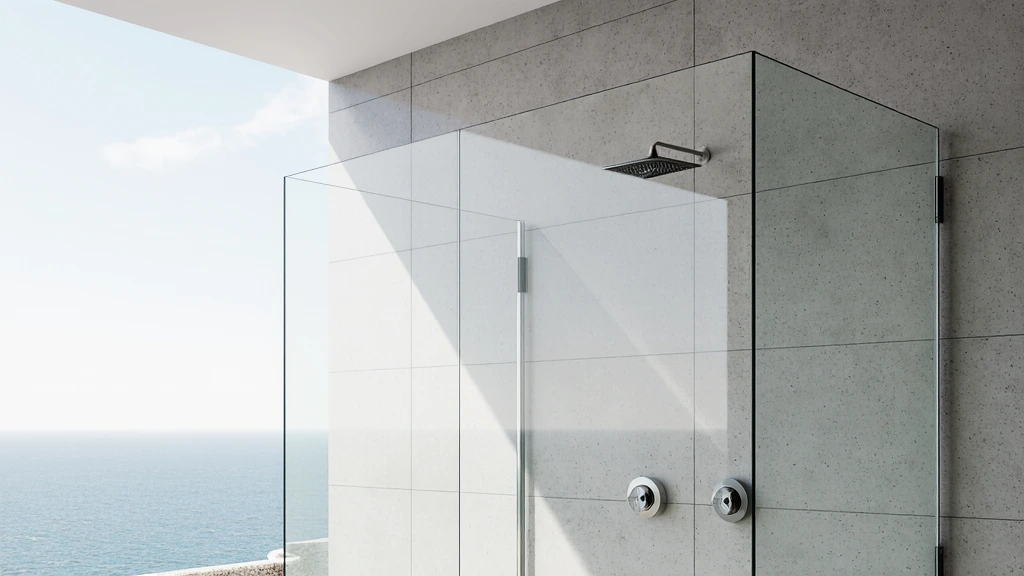
Fixed glass shower screenA fixed glass shower screen is an aesthetically pleasing and useful partial divider for the bathing space. In contrast to complete enclosures, a screen usually extends across only part of the wet area, allowing for an easy walk-through entry while still containing water effectively around the main spray zone. This is a preferred choice in open-plan bathrooms and barrier-free showers.
The 'screen' is a fixed, immovable pane, usually durable, $3/8$ inch or $1/2$ inch tempered glass, secured to the bathroom wall. It functions by working to contain the shower spray within the designated zone, being strategically placed close to the water source for optimal performance. Its key strength lies in its barrier-free nature; since there is no door to open, it offers a simple, unimpeded way to step in and out.
The installation of a fixed screen is straightforward and very stable, often involving a small metal track or several low-profile brackets to hold the glass firmly. Because it is immobile, it does away with typical repair concerns related to the moving parts of conventional doors, resulting in a longer product lifespan and fewer potential faults.
Concerning the visual impact, the fixed screen ensures the bathroom's design remains cohesive. Its partial nature means it lets light flow freely, creating the illusion of a more spacious and luminous room. It is a highly versatile option that combines the practicality of keeping water contained with the aesthetic appeal of an open, contemporary design.
Frameless fixed shower glass panelThis type of frameless fixed shower panel offers an contemporary way to delineate a shower area, focusing on transparency and reduced visual clutter. The term "frameless" is key, indicating the minimal need for thick framing.
high-gauge) and safety-tempered, this panel achieves its structural soundness. Installation hardware is kept to an bare minimum—usually just a few discreet fittings where the glass meets the adjacent surfaces—to preserve the seamless aesthetic.
One of the key functional advantages of a fixed frameless panel is how straightforward it is to keep clean. With no frame, track, or moving parts, there are no tight spots or hidden corners for soap residue or mineral deposits to accumulate. This feature makes routine cleaning quicker and lessens the effort required for deep cleaning.
Furthermore, a frameless panel is an preferred choice for universal design principles, as it naturally contributes to a curbless or walk-in shower setup. This accessibility, combined with the panel's ability to make the bathroom feel larger by offering a clear, open view, makes it a high-end, practical, and aesthetically superior option for any modern bathroom project.
Fixed panel glass shower wallServing as a permanent barrier, this glass shower wall is a substantial structure designed to completely enclose the shower area. It is often used in high-design wet rooms where a large, expansive glass barrier is desired to create a designated, waterproof zone without blocking light transmission.
It goes beyond a standard screen, often covering a broader span and integrating directly into the structure—sometimes recessed into the ceiling, wall, and floor for the cleanest finish possible. The glass used must be resilient and meet stringent safety standards, typically being high-quality, heat-treated glass.
Its main purpose is to ensure unmatched water containment, transforming the shower into a highly effective, enclosed space. By making the barrier a fixed, immobile wall of glass, it offers unmatched stability and reduces the potential problems associated with moving parts like hinges, pivots, or sliding door tracks.
Visually, this glass wall is impressive; it can easily become the most distinctive element of the entire bathroom design. It enhances brightness and openness, giving the feeling of an open room while still providing a defined, secure water barrier. This permanent solution is an investment in both the function and the upscale quality of a bathroom.
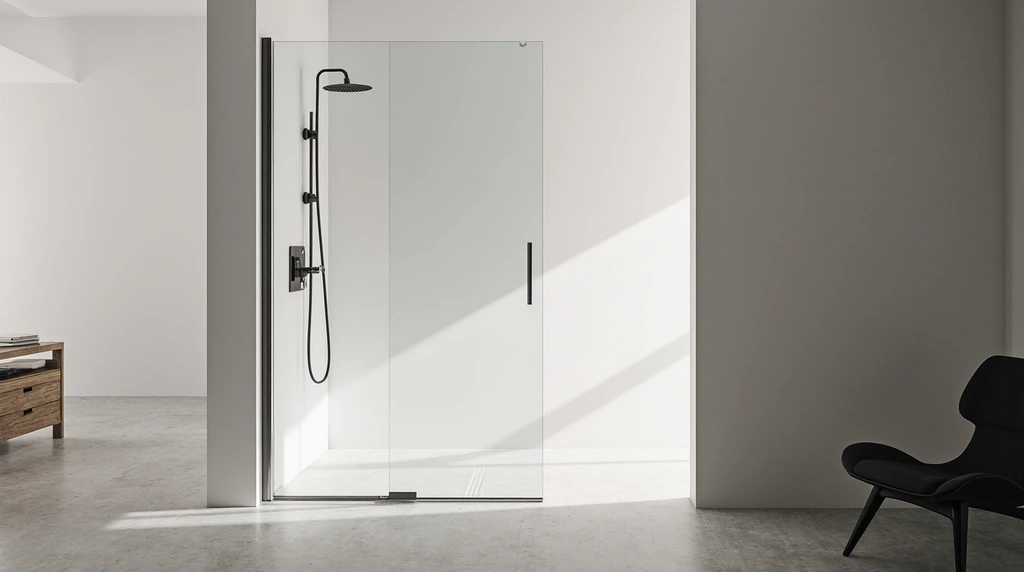
Frameless Shower DoorThe frameless shower door is the quintessential sign of modern bathroom design, immediately enhancing the look of any room. Unlike traditional framed doors, which rely on heavy metal bordering, the frameless version uses thick, durable tempered glass—typically $3/8$ or $1/2$ inch thick—supported by sparse, high-quality hardware like mounting hardware and glass clamps. This design philosophy focuses on maximizing the visibility of your shower’s interior, making beautiful tile work or stone accents the undisputed centerpiece of the room.
The core appeal of going frameless lies in the visual expansion of the bathroom. By removing obstructive sightlines, the clear glass allows light to flow without obstruction, making even the smallest bathrooms feel significantly larger, brighter, and more open. The result is similar to the expansive feel of a high-end spa or hotel, changing a basic functional space into a peaceful sanctuary. Furthermore, the minimalist design fits perfectly with almost every decor style, from industrial to traditional, but it is most popular in contemporary and sleek environments.
Selecting the correct operating mechanism is essential for proper function. Frameless doors can be hinged, pivoting, or sliding, each suiting a different space requirement. Hinged doors swing open, requiring ample clear space outside the shower, a design choice that offers the widest possible entry point. For smaller areas, pivot doors rotate on a central hinge, and sliding doors move smoothly on a rail, conserving floor space outside the shower completely.
Ease of cleaning is a further advantage. With limited metal components, there are less nooks and crannies where soap scum, mold, and mildew can accumulate. Daily squeegee use, combined with periodic cleaning using a non-abrasive solution, is often enough to keep the glass sparkling. It is worth remembering, however, that due to the lack of full perimeter framing and seals, a frameless shower is not 100% waterproof. A professional fitting, which includes transparent vinyl strips and careful caulking, is critical to minimize any potential leakage.
Frameless Glass Shower DoorsFrameless glass doors are the epitome of style meeting utility in contemporary bathroom design. The use of heavy-duty, safety-tempered glass not only ensures compliance with safety standards—breaking into tiny, relatively safe pieces upon impact—but also provides the structural integrity needed to be self-supporting with scant metal support. This structural confidence allows for the creation of elegant, all-glass features that are both secure and visually stunning.
The design flexibility offered by frameless glass is immense. Homeowners can customize the glass type to suit their aesthetic preferences and desire for seclusion. While transparent glass is the favorite for its bright, uninterrupted look, options like frosted, acid-etched, or low-iron glass (which removes the subtle green tint visible in standard glass edges) are available to tailor the look. By choosing these specialized glass finishes, you can create a one-of-a-kind look and manage how much privacy the shower offers.
Beyond the glass itself, the hardware provides an opportunity for personalization. The tiny, but essential, hinges, clamps, and handles are available in a vast array of finishes, including matte black, polished chrome, brushed nickel, and oil-rubbed bronze. Selecting a finish that complements the bathroom's other fixtures—such as the faucet and vanity hardware—ties the entire room design together, reinforcing a cohesive and well-considered luxury aesthetic.
When planning for installation, precise measurements and professional installation are paramount. Unlike framed units, frameless doors are precisely tailored to the precise dimensions of the shower space, accounting for any inconsistencies in the wall or floor. This careful approach guarantees a secure, high-quality fit that optimizes stability and water retention. A high-quality frameless door is typically a financial commitment that substantially boosts a property’s perceived worth and contemporary feel.
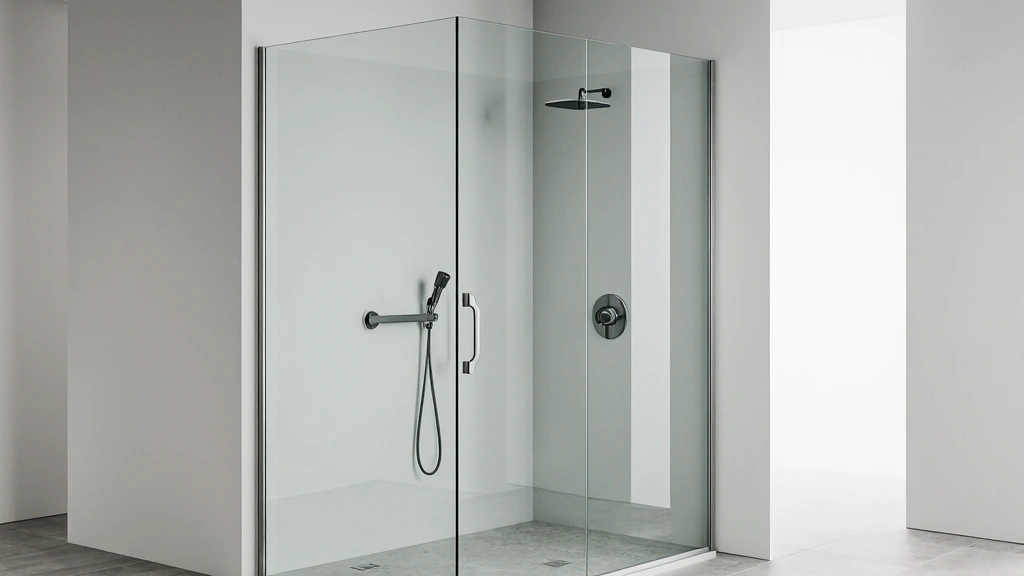
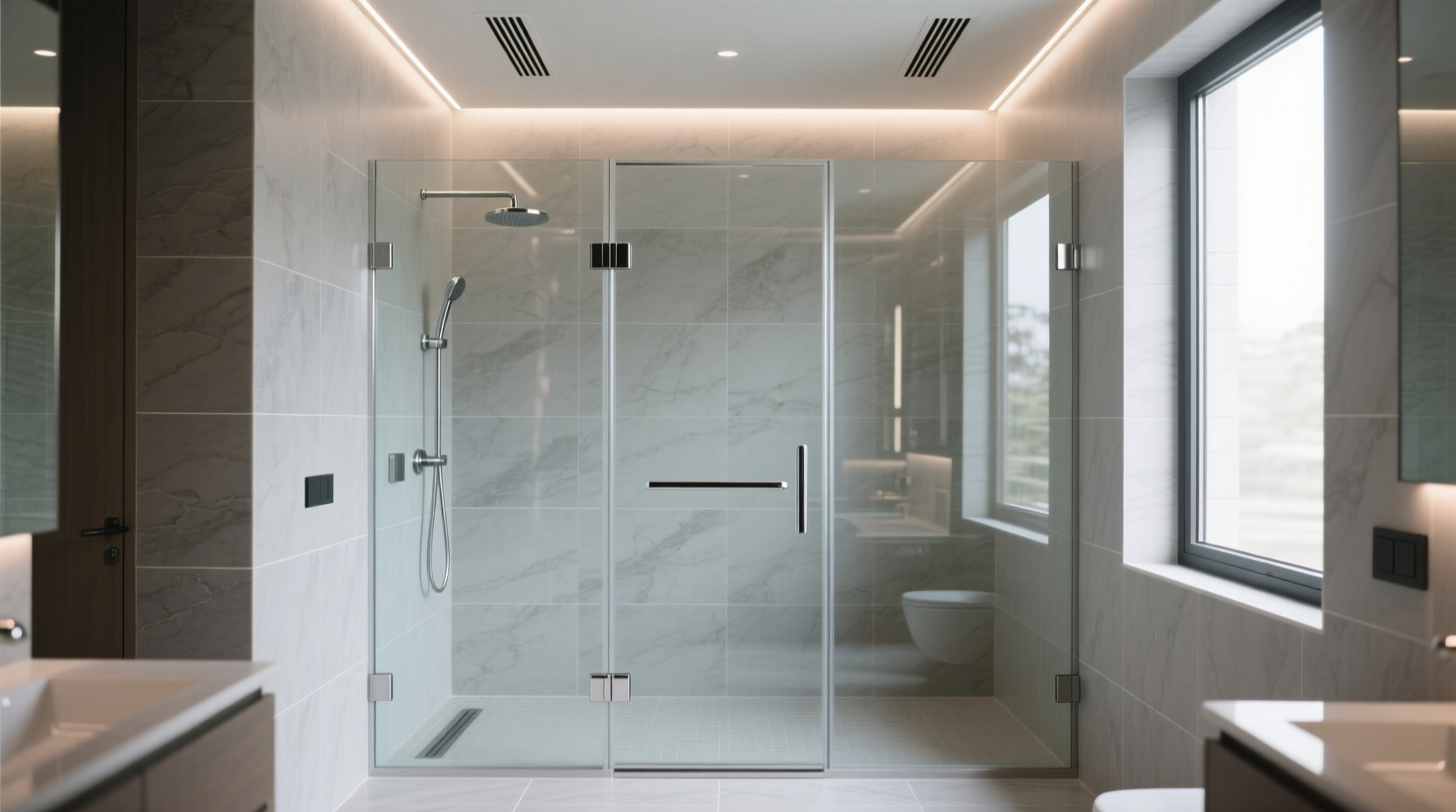
Frameless Shower EnclosureThe frameless shower enclosure represents a complete system based on maximum transparency and minimal hardware, resulting in a customized and elegant bathing space. This full enclosure typically consists of a combination of a frameless door and fixed glass panels, all secured with discreet clips and channels. The outcome is an uninterrupted, architectural glass feature that serves more as a cohesive glass wall than a traditional enclosed shower stall.
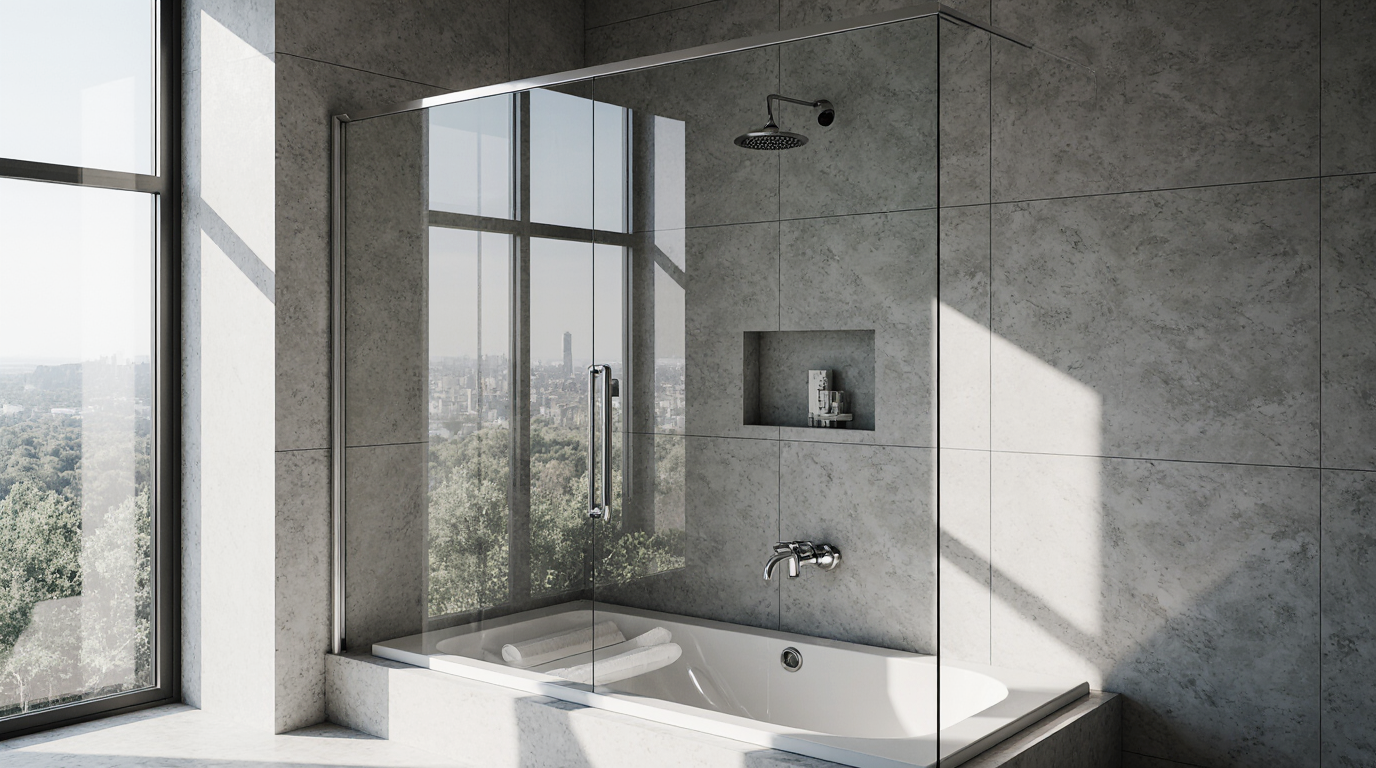
A key benefit of a full frameless enclosure is its capability to fit into unusual or challenging bathroom configurations. Frameless enclosures are perfectly designed for installations in corners (including neo-angle and 90-degree formats), straight alcoves, and even areas positioned on a bathtub deck or half-wall. This customizability is why frameless solutions are often the best answer for bespoke bathroom renovations where standard, off-the-shelf enclosures simply will not fit or look right.
The structural components are absolutely critical for the safety and integrity of a frameless unit. Given the minimal hardware supporting the heavy glass panels, adequate wall and subsurface reinforcement is essential to manage the load. For lasting stability and security, professional installers must anchor all brackets and hinges directly into robust wall studs or solid blocking. This meticulous structural planning is an unseen part of the quality that separates a professional frameless installation from a budget one.
Adequate ventilation is an essential feature, particularly for larger, fully enclosed shower areas. A sophisticated frameless design might include a transom—a small, moving glass section at the top—to vent steam even when the door is shut. Having an open-top configuration is another solution that provides constant, reliable airflow. Ensuring the enclosure is well-ventilated is key to preventing moisture buildup, which protects the glass from fogging and minimizes the risk of mildew growth within the shower area.
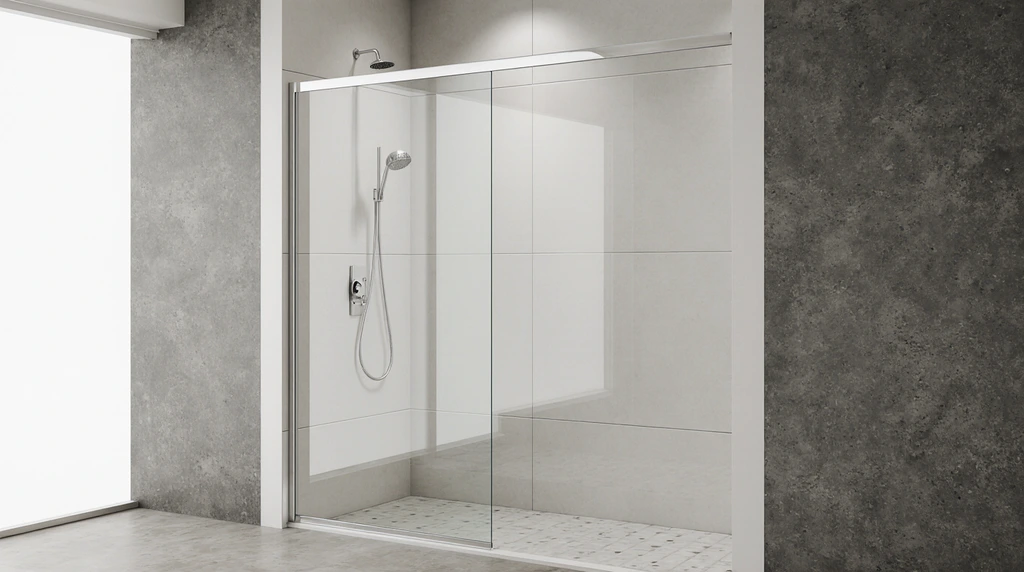
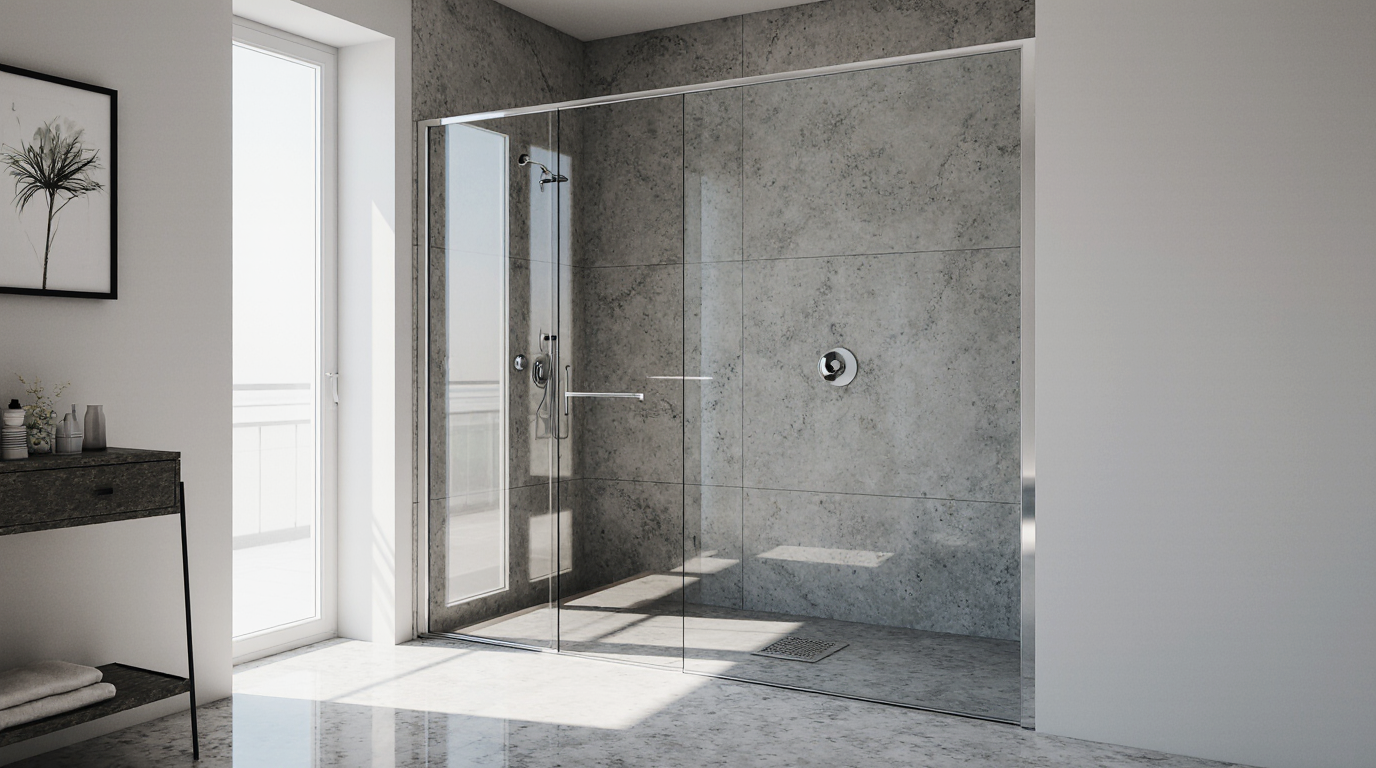
Frameless Sliding Shower DoorsFrameless sliding shower doors offer an exceptional blend of modern style and superior space-saving utility, making them the preferred choice for compact or functionally congested bathrooms. In contrast to hinged doors which need clearance to swing open, the sliding system—typically using elegant, exposed upper rollers and a minimal bottom guide—moves entirely within the shower's existing area. This allows for maximum use of the remaining floor space, keeping it free for vanity or toilet placement.
The mechanics of a frameless slider prioritize a streamlined aesthetic. Contemporary units feature durable rollers and tracks intentionally made to be discreet, frequently positioned on top of the glass section. The smooth, silent gliding of the door demonstrates careful engineering, which ultimately improves the daily experience for the user. Typically, these systems involve one fixed panel and one operational sliding door, although dual-slider options exist for exceptionally wide shower entrances.
Historically, the lower track of sliding doors was a source of concern due to its tendency to collect debris and water. However, contemporary frameless sliding systems have addressed this with low-profile tracks or trackless designs that rely on small floor guides. Despite being notably easier to maintain than framed versions, the lower guides and the space where the panels intersect still demand routine cleaning to prevent residue accumulation and keep the door functioning smoothly.
Especially in larger bathroom spaces, accessibility is recognized as a further benefit. Although the opening is necessarily constrained by the required overlap between the moving and fixed panels, frameless sliders can be configured to cover impressively wide spans. This allows for an impressive, wide glass feature that still provides a practical entry and exit point. By choosing a frameless slider, homeowners benefit from a contemporary, light-enhancing feature without compromising on essential bathroom space.
Frameless ShowerThe frameless shower represents a complete design movement characterized by minimalism, clarity, and clean architectural forms. This approach goes beyond just the shower door to influence the entire bathing space, often replacing heavy frames or standard curtains with one continuous, elegant sheet of glass. This selection in design is core to realizing the highly sought-after "open concept" or "wet room" bathroom look.
The frameless shower's design is noteworthy for the psychological impact it has on the person using the space. By using a clear glass boundary, the shower's confines seem to disappear, smoothly merging it with the surrounding bathroom. This enhances the sense of luxury, making the room feel more expansive and spa-like. In addition, the clear glass allows beautiful tiling and high-end shower hardware to become prominent decorative elements within the overall bathroom statement.
Frameless fixed panels, or shower screens, are commonly used by designers when a complete enclosure is not required. These simple, single panes of glass effectively block the main spray of the water while leaving large open areas for entry and exit. This provides a balance of water containment and complete openness, which is ideal for walk-in showers that are generously sized and feature carefully sloped floors and strategically placed shower heads to manage splash.
Frameless Sliding Glass DoorsSliding glass doors offer a elegant, up-to-date, and efficient solution for linking indoor and outdoor areas. A minimalist look enhances this functionality by lessening visual obstructions, producing a continuous and expansive view. These doors function via a sliding channel, allowing oversized glass sheets to move silently past one another, offering versatile ventilation and unrestricted passage. They are highly sought after in modern building aesthetics where optimizing sunlight and uninterrupted sightlines is a priority.
The omission of heavy casings maximizes the glass surface area, effectively turning the wall into a wide-view opening when the doors are closed. This is ideal for properties with stunning outlooks, as it reduces the separation between the inside environment and the exterior environment. In addition, the minimalist aesthetic of frameless sliding doors integrates effortlessly with a range of interiors, from cutting-edge to gently raw.
Although the look is simple, the system soundness and safety of frameless sliding doors are paramount. They rely on robust, premium fittings and thick, tempered or laminated safety glass. The precision-engineered tracks and rollers provide lasting strength and a silent, easy performance, even for very large and weighty glazing units. When opting for this system, it is vital to check the integrity of the weatherstrip and security system to guarantee the best protection from elements and security.
Fitting needs professional knowledge to achieve true leveling and smooth operation over time. In spite of their fragile look, these systems are designed for high resilience and proof against weather elements. Routine servicing of the tracks and hardware is suggested to maintain optimal performance. Frameless sliding glass doors are a top-tier option for homeowners aiming to combine richness, light, and open-plan living.
Frameless Bifold Glass DoorsFrameless bifold glass doors are the perfect way for fully exposing an full expanse, creating an unmatched bond between two spaces. In contrast to standard doors, these systems feature various glass sections that stack cleanly side by side, piling to the edge when opened. This design takes away the whole dividing wall, positioning them as a great fit for combining dining areas or family rooms with terraces, verandas, or outdoor environments.
The minimalist feature indicates the vertical aluminum profiles between the panels are greatly minimized or eliminated, letting the glazing maximize the vista. This produces a breathtaking, uninterrupted glazed facade when the doors are closed. When open, the storage method is highly efficient, keeping the full functional space both inside and out. The smooth shift makes hosting guests and traversing the threshold simple.
The working of folding doors are detailed, relying on a top-hung or bottom-rolling track system for fluid, coordinated operation. High-quality bifold doors use strong rotating points and connectors able to bear the heaviness of the heavy glass sheets. Security is provided through complex latching methods that lock the sections at various spots along the track, providing strength and reassurance.
Considering their role as a main barrier remover, insulation capacity is a vital element. Frameless bifold systems often incorporate advanced, two or three layers of insulating glass to deliver great temperature control and acoustic minimizing. Choosing a reliable supplier and professional installer is essential to make certain the system is well weather-proofed against drafts and moisture leakage, assuring coziness and longevity in all weather conditions.
Frameless French DoorsA classic, enduring design, the French door, is modernized with a minimalist, frameless aesthetic. Traditional French doors are hinged and typically feature multiple panes of glass separated by muntins within a visible frame. Conversely, the frameless iteration maximizes the glass surface and reduces the visible frame, resulting in a contemporary and open feel, yet preserving the graceful balance of a double-swing entry.
This style consists of two independent doors that meet in the middle, hinged on the sides, which can swing inward or outward. The focus is placed almost entirely on the clear glass, often using full-height, single panes per door. Opening both doors yields a substantial, clear aperture, serving as a sophisticated entry point and greatly enhancing natural light and air circulation.
Frameless French door construction depends on sturdy hardware and hinges embedded directly into the thick, tempered glass. This means the hardware itself often becomes a subtle design feature. Creating a sophisticated and bright impression, they are perfectly suited for internal doors and external access points alike, particularly when seeking an open atmosphere and abundant natural light.
While they may not offer the same wall-to-wall opening as bifold or large sliding doors, frameless French doors offer a controlled yet generous opening. Their use is common in commercial settings like offices, and residential spaces such as dining rooms or side entries. Performance hinges on the precise meeting point of the two doors, necessitating premium seals for a weather-resistant and energy-saving closure, especially vital when installed externally.
Frameless Glass"Frameless glass" describes architectural uses where glass functions as the main structural component, with support materials such as metal or wood frames being minimized or entirely omitted. The impetus behind this design is to achieve uncluttered sightlines, optimal clarity, and a modern, minimalist visual appeal. As a cornerstone of contemporary design, it revolutionizes the perception of both light and spatial volume.
Frameless glass is extensively utilized in applications spanning from structural walls and protective balustrades to internal dividers and shower stalls. In every application, the glass itself—always tempered or laminated for safety—carries the required load and acts as the necessary barrier. Secure anchoring of the panels to the floor, ceiling, or adjoining surfaces is achieved using specialized hardware, including subtle clamps, point-fixed connectors, or U-channels.
The visual impact of frameless glass is its most compelling feature. Its ability to eliminate traditional barriers encourages open-concept living and effectively enhances the perceived size of smaller spaces. In commercial environments, this material is highly valued, as transparent office partitions promote collaboration while sustaining essential acoustic privacy.
Crucially, the ultimate result relies heavily on the quality of the glass material and the precision of the installation. Achieving a flawless look and structural stability in frameless systems necessitates extremely precise measurements and skilled installation. Upkeep is quite straightforward, primarily involving routine cleaning to maintain the glass’s transparency. Investing in low-iron glass can further enhance transparency and prevent the slight green tint often seen in standard glass.
Frameless Glass DoorsIn essence, frameless glass doors are door systems where the glass pane is the focal point, intentionally minimizing or eliminating the conventional surrounding frame. This design philosophy is centered on maximizing light transmission and creating visual continuity between spaces, offering a upscale and modern alternative to standard framed doors.
This category covers various operating mechanisms, such as frameless sliders, frameless swing doors (like French doors or single-pivot doors), and frameless pocket doors. What they share is the use of robust tempered glass (typically $10\textmm$ to $12\textmm$ thick) and understated hardware that is often set flush or discreetly built into the ceiling, floor, or side walls.
The key selling point of a frameless glass door is its visual impact. It allows natural light to flood interior spaces, helping to illuminate dark hallways or rooms that are without external windows. They are often used as interior doors to separate rooms without sacrificing the open-plan feel or for external applications where a breathtaking view needs to be preserved.
When selecting a frameless door, performance specifications such as acoustic reduction and thermal efficiency (for exterior use) should be carefully considered. While they are visually stunning, the standard of the seals and the strength of the pivot or track hardware determine their long-term functionality. Always ensure the system complies with all local safety codes, especially regarding the type and thickness of the safety glass used.
Storm Door Glass ReplacementReplacing the glass in your storm door is a effective and affordable way to revitalize its appearance and regain its functionality without having to purchase a whole new door. Damage to the glass, such as cracks, shatters, or fogginess, can impair insulation and visibility. The process often involves carefully removing the damaged pane from the storm door frame or sash, which is typically secured with weatherstripping, retaining clips, or a trim piece. Safety is essential during this process, especially when dealing with broken glass, so wearing proper protective gear is always advised.
Once the old glass is removed, the frame needs to be thoroughly cleaned of any old sealant or debris to facilitate a proper fit for the new pane. The replacement glass must match the exact dimensions and thickness of the original to preserve the door's integrity and insulation properties. Typical single-pane glass is common, but some modern storm doors use insulated glass units (IGUs) or tempered safety glass, which is a required safety standard in many regions, especially for doors.
Fitting of the new glass pane involves placing it carefully into the clean frame and then securing it with the original retaining system—be it clips, gaskets, or a snap-in trim piece. It is vital to ensure the glass sits flat and that the retaining mechanism is firmly in place to prevent rattling and air leaks. Proper sealing is key for energy efficiency and weather resistance, often calling for a bead of clear silicone caulk around the perimeter on the exterior side for a sealed finish.
While some homeowners with basic DIY experience opt to handle this project themselves, many prefer to hire a professional. Glass replacement services ensure the correct type of glass is used, cut to the precise size, and installed according to safety standards. This can be particularly important for custom sizes or when dealing with intricate, multi-panel storm door systems. A professional installation guarantees a seamless look and prolongs the lifespan of your storm door, offering clear views and optimal protection from the elements.
Glass Screen DoorThis versatile exterior door is an auxiliary entry barrier installed in addition to the main entry door. Its primary function is to shield against harsh weather, improve insulation, and permit airflow and illumination while acting as an insect barrier. The "window" component typically refers to interchangeable or sliding panels that cover the screen mesh during periods of cold or rain, providing robust protection. This allows homeowners to tailor the door’s performance based on the season.
During the summer months, the glass panels are usually removed or slid down to expose the insect screen, facilitating cross-breezes. This feature is a major benefit as it facilitates cross-ventilation, helping to cool the home naturally and saving on cooling costs. The screen mesh is long-lasting, often made of fiberglass or aluminum, designed to withstand regular use and exposure.
When the weather turns cold or wet, the glass panels are reinstalled. These glass panes effectively seal the doorway, acting as a buffer zone that helps insulate the home. By creating an air pocket between the main door and the storm door, they limit the movement of heat, preventing heat loss and reducing drafts. The glass also offers an unobstructed view to the outside, preserving the look of the entryway.
Modern glass screen doors come in many designs, including full-view, partial-view, and ventilating designs, to match virtually any house style. They can feature various glass options, such as low-emissivity (Low-E) glass for superior energy savings or decorative frosted and beveled glass for added privacy and style. Choosing a glass screen door involves balancing the desire for ventilation, light, security, and energy performance to pick the best door for your house facade.
Security Storm Doors With Glass And ScreenThese reinforced entry doors offer the ultimate combination of defense, ventilation, and weather protection for the main house entrance. In contrast to typical storm doors, these models incorporate reinforced components designed to resist intruders, typically featuring a heavy-duty, non-removable aluminum or steel frame, sturdy hinge systems, and a advanced multi-point lock. The dual functionality—including both glass and an insect screen—allows for 12-month use without sacrificing security.
The security aspect is greatly improved by features such as tamper-proof hinges and a multi-point lock mechanism, which engages locks at three locations. In addition, the construction often includes a sturdy metal mesh or an extra strong frame over the glass and screen areas, making it extremely difficult for an intruder to force entry by smashing or kicking. The glass used is often tempered or laminated, which is significantly more resilient than standard glass.
During hot months, the screen panel can be exposed, letting cool air flow throughout the interior while the sturdy frame and security locks are still completely operational, ensuring security is maintained even when the main door is open. This capability is a major benefit, providing homeowners with natural ventilation and light without the risk of leaving the entrance exposed.
In colder months, the glass panel is secured in place, transforming the unit into a highly efficient storm door. This layer of glass protects the main door from the elements and improves thermal efficiency by creating an insulating air pocket. Security storm doors are a significant investment, but they offer tranquility by offering both robust protection and functional design, enhancing the home's safety profile and energy efficiency simultaneously.
Full View Storm DoorThe defining feature of a full view storm door is its expansive sheet of glass that typically runs from the top to the bottom of the door frame , offering maximum light entry and an clear, seamless view outside. This style is incredibly popular because it beautifully showcases the main entry door and suits nearly all home designs, from traditional to contemporary . The emphasis is on visual appeal and brightness, turning the entryway into a brighter, more inviting space .
The key functional feature of a full view door is often the ability to swap between glass and screen inserts. In most designs, the large glass panel can be replaced by a full-view screen. This allows the homeowner to completely adapt the door's use based on the time of year: maximum insulation during colder months and full ventilation in summer . The removal and reinsertion of these panels are usually managed via a straightforward guide and fastener mechanism.
A highly convenient, though less common, alternative is the full view door with a hideaway screen. In this design, the screen is typically concealed in a cassette at the top of the door frame . When ventilation is desired, the screen can be smoothly guided down and secured to the bottom frame. When protection is needed, the screen rolls back up, allowing a complete glass view. This means there is no need to store large seasonal inserts, offering maximum ease of use.
When selecting a full view storm door, consideration should be given to the type of glass , as a large pane can be vulnerable to impact . Tempered glass is the industry standard for enhanced protection and longevity. Furthermore, choosing a door with a durable structure, reliable components, and an effective weather seal is crucial for long-term performance , weather resistance, and energy efficiency . The visual impact and practicality make the full view storm door a premier choice for homeowners looking to maximize light and style .
Screen Door Glass ReplacementScreen door glass replacement pertains to fixing or changing the glass inserts within a storm or screen door, distinct from replacing the insect screen mesh itself . This need usually arises when the glass pane is shattered, chipped, or cloudy because its seal has failed, which is often seen in aged insulated units. Promptly repairing glass damage is essential to restore the door's ability to protect against drafts and maintain energy efficiency , especially during the winter months.
The replacement process begins with determining the glass specifications and how it is secured in the door's removable frame or sash. Most storm doors use a glass insert or sash that can be removed entirely from the door frame , making the replacement process easier . The glass itself is secured inside the sash using plastic strips, pliable weatherstripping, or holding clips that must be gently removed to free the damaged glass.
Once the old glass is removed, precise measurements are taken for the new pane . It is critical that the replacement glass is the correct thickness and that it adheres to local safety codes , which universally require the use of safety-tempered glass for door applications. Replacing with non-tempered glass poses a significant risk. After cleaning the sash channels, the new glass is placed in position and refastened using fresh sealing components to ensure a tight, weather-proof fit .
For those with basic tools and a comfortable level of DIY skill , replacing single-pane glass is feasible. However, if the storm door uses an double-pane unit or if the door's operating system is intricate, calling in a specialized glass installer is advised. They ensure that the new unit is properly sealed to prevent fogging and that the entire sash is put back in place accurately, guaranteeing that the door functions smoothly and provides maximum thermal protection .
French Glass DoorsFrench glass doors, often referred to as French doors, are a timeless and refined addition to a variety of homes. They are distinguished by their framework of multiple glass panes, or lites, which span the door's full length. Historically, these doors are usually paired, pivoting from the middle to connect indoor and outdoor spaces effortlessly, such as a dining room to a patio. This design not only maximizes natural light flow into the room but also provides an wide outlook of the exterior, making the space seem spacious and unconfined.
The enduring charm of French doors stems from their flexibility. They can be found in a range of materials, including wood, vinyl, and fiberglass, letting homeowners pick one that suits their residence's design aesthetic, whether it be contemporary, traditional, or rustic. Timber French doors offer a traditional, inviting look, while contemporary fiberglass choices provide enhanced strength and energy savings with little upkeep.
Beyond their design perks, modern French doors offer significant advancements in performance. When installed and sealed properly, they contribute positively to a home's energy efficiency. Options with low-emissivity (Low-E) glass coatings help to block heat transfer, ensuring the inside is cool in summer and warm in winter. Protection mechanisms have improved, with modern multi-point locking systems providing better defense against break-ins.
Choosing the right set of French doors involves taking into account factors including the door's main purpose, the local climate, and the desired level of light and privacy. For busy zones, doors made of durable, resilient materials are recommended. Moreover, selecting the right type of glass, such as laminated or tempered glass, is vital for security and safety, particularly where children or pets reside. A properly picked French door can significantly elevate a property's curb appeal and functionality.
Double Glass Doors ExteriorDouble glass doors, intended for exterior application, serve as a grand and functional entryway to a home or a transition point to outdoor areas. Unlike typical single doors, a double door system creates a more spacious aperture, which is ideal for moving large furniture, holding gatherings, or simply making the entry more impressive. These systems generally comprise two door panels, both of which may be functional, or one that is fixed (a passive door) and one that is utilized for daily access (an active door).
The material and construction of exterior double glass doors are vital for withstanding different climates. Manufacturers use tough materials such as fiberglass, steel, or treated wood, which are often sheathed in vinyl or resistant aluminum to avoid rust, rot, and warping. To meet modern energy requirements, these doors include insulated centers and high-quality weatherstripping along the edge and between the panels to ensure a snug fit.
The glass component in these doors is a significant element in performance and style. Double-pane or triple-pane insulated glass units (IGUs) are the usual choice, giving better thermal efficiency compared to one-pane glass. Homeowners commonly tailor the design with fancy glazing components, such as etched patterns or internal grids (muntins), to boost the door's look while keeping up energy savings. Confidentiality can also be addressed through the use of textured or frosted glass alternatives.
Protection is the most important issue for any exterior door. Modern double glass door systems include advanced locking systems. These often feature multi-point locks on the main door and strong flush bolts that lock the stationary door into the sill and head of the frame. Proper installation is essential, as even a premium door will be unable to give proper security and weather-proofing if the slab and frame aren't perfectly aligned within the prepared aperture.
Exterior Double French DoorsDouble French patio doors are a unique type of double glass door that combines the expansive opening of a double door with the elegant appeal of multiple glass panels. They are most frequently installed to access balconies, serving as an central visual feature that maximizes natural light and provides seamless sightlines. This style is in great demand because it effectively blends the home's inside with the beauty of the outdoors.
When buying glazed entry doors, homeowners must prioritize weather resistance. Since these doors are subject to rain, sun, and wind, they must be made with strong, weather-proof materials. Key features to look for are sills built from materials like fiberglass or composite that resist moisture damage, full-perimeter seals, and a water-deflecting base that channels moisture away from the interior of the home.
Thermal performance of glazed patio doors is largely a function of the standard of the thermal glass unit. Modern IGUs utilize inert gases, such as argon, sealed between the glass panes to slow the transfer of heat. The use of a low-emissivity (Low-E) coating is also critical to turn back ultraviolet light, which helps to protect indoor fabrics from sun damage and decreases solar-induced warming, thus lowering cooling costs during warmer months.
Mounting needs careful attention to ensure longevity and performance. The rough opening structure must be perfectly square and level to allow the double slabs to shut tightly. Errors in fitting can lead to air or water infiltration, compromising the doors' energy performance and leading to long-term framing issues over time. Furthermore, the choice of strong fittings, including heavy-duty hinges and robust handles, is vital to support the weight and frequent use of double doors.
Double Pane Door Glass ReplacementSwapping out failed double pane door glass refers to the process of swapping out a failed insulated glass unit (IGU) within an installed door system. A failed IGU is typically recognized by a hazy film that collects in the gap between the glass, which indicates a breach in the hermetic seal. Once the seal is broken, the sealed inert gas vents, and humidity infiltrates, significantly reducing the door's thermal performance and visibility.
The swapping the glass typically avoids replacing the entire door slab or frame. Instead, a glazing technician carefully takes precise dimensions of the old unit, including the overall dimensions of the sash or frame that holds the glass. It is essential to ensure precise measurements, as the replacement IGU must align exactly with the glazing stops and glazing stops to maintain the door's overall strength and protection from the elements.
For a effective change, the new glass unit must match or improve upon the original specifications. This includes making certain the Low-E application is suitable, the right type of frame material between the glass panes (like warm edge), and the equivalent or superior pane thickness and cavity size. Installing an improved thermal glass unit in the repair is a cost-effective way to boost the door's thermal capabilities without the high cost of installing an entirely new door.
The hands-on repair entails carefully taking out the failed pane, wiping down the receiving slot, putting down new weather-sealing compound or tape, and fitting the replacement pane. A tight seal is critical; a professional installation ensures the seal is tight and durable, avoiding subsequent dampness issues and restoring the door's insulating capabilities and aesthetic appeal.
Double Pane Sliding Glass Door ReplacementAn upgrade to a double pane sliding glass door system involves repairing or modernizing the door mechanism, a frequent installation in homes that offers simple passage to outdoor spaces. The main reason for an upgrade is either a damaged or thermally failed glass unit (necessitating the replacement of the insulated glass unit) or a failure of the mechanical components (rollers and track), which leads to the door sticking or being difficult to open and close. A complete door replacement is selected when the frame itself is warped, rotten, or severely outdated.
If the glass itself is the sole problem, the insulated glass unit (IGU) can be replaced within the current vinyl, wooden, or aluminum structure, similar to the process for a swinging door. This is a cost-effective and simpler solution, allowing the homeowner to address thermal failure or damage while maintaining the structural integrity of the frame. However, if the fogging is extreme or if a glass panel is broken, particular care must be taken that the replacement glass meets current safety standards, which typically require the installation of toughened safety glass.
When opting for a full sliding door replacement, modern designs offer great improvements in energy efficiency and smooth movement. Contemporary double pane sliding doors often feature thicker, more robust frames, low-profile, high-performance tracks, and sealed ball-bearing rollers that enable simple, friction-free movement. Beyond that, new frames are designed with special non-conductive sections to stop thermal exchange through the frame material, which is a frequent problem with previous aluminum designs.
Selecting a replacement sliding door also offers a chance to boost the door's security. Look for doors that incorporate vertical locking bars or multi-point locking hardware that secure the door to the jamb at multiple points. The installation of a full unit is a challenging procedure requiring perfect positioning, to ensure the door slides correctly and seals tightly against the jamb, preventing both air infiltration and water leaks.
Sliding Glass DoorsA sliding glass door is a sleek, sought-after feature for any property, connecting indoor living spaces with the outdoors. These doors typically are made up of two substantial panes of glass, one fixed and one that slides open horizontally on a track. This design offers many great benefits, including maximizing natural light, improving the sense of space, and providing easy access to decks, patios, or backyards. Modern sliding glass doors are also designed with energy efficiency in mind, featuring insulated glass and high-quality frames to help maintain comfortable indoor temperatures and reduce utility bills.
Selecting the appropriate frame material is vital. Options usually include vinyl, aluminum, fiberglass, and wood. Vinyl is often favored for its low maintenance and excellent thermal performance. Aluminum is strong and durable, allowing for slender frames that offer maximum glass exposure, but it can be less energy-conscious unless it includes special heat barriers. Fiberglass offers a robust, long-lasting, and highly customizable option that resists warping and cracking. Wood lends a timeless, inviting look but needs extra care to shield it from weather damage.
When thinking about having the door installed, expert measuring and installation are critical to guarantee smooth operation and a secure seal against drafts and moisture. Improper installation can lead to drafts, condensation, and difficult operation over time. It is important to select a door that meets local building codes and standards for safety, particularly regarding the type of glass used. For security, tempered or laminated glass is generally mandatory, as it is much more resistant to breakage and will probably not cause harm if it shatters.
Maintenance for sliding glass doors is usually simple. The most common issue involves the sliding mechanism, where grime and buildup can collect in the rail, causing the door to be hard to move. It is advised to clean the track often and periodically oil the rollers to ensure the door continues to work smoothly. Additionally, routine inspection of the weather stripping and seals can prevent energy loss and water damage. With due attention, a premium-grade sliding door can offer years of beautiful, functional service.
Sliding Glass Door ReplacementReplacing an old or damaged sliding glass door can dramatically improve a home's curb appeal, energy efficiency, and security. Doors that are difficult to open, suffer from fogged glass (indicating a broken seal), or have drafty frames are prime candidates for replacement. The replacement process begins with careful consideration of the measurements of the current space and the preferred door design. Although typical-sized doors can be used, a custom size might be needed to guarantee an ideal fit, which is vital for thermal performance and smooth operation.
A key reason to upgrade is to save energy. Modern sliding glass doors incorporate advanced features like Low-E (low-emissivity) coatings on the glass, argon gas infills between the glass panes, and thermally broken frames. These technologies significantly reduce heat transfer, making the house more comfortable year-round. When selecting a replacement, look for the door’s U-factor, the rating for how much heat escapes, and its Solar Heat Gain Coefficient (SHGC), which measures how well the door blocks heat from the sun. Lower numbers generally indicate better energy performance.
The replacement procedure involves taking out the existing unit and its surrounding frame, preparing the opening, and installing the new unit. This often requires attention to the surrounding structure, as the old door may have hidden structural decay or moisture problems. A professional installer will ensure the opening is properly waterproofed and insulated before the new unit is put in. The new door must be perfectly positioned and squared so the door slides smoothly and locks firmly.
Enhanced security is an added advantage of replacement. Contemporary sliding glass doors often come equipped with multi-point locking systems and specialized security hardware that make forced entry much more difficult than older, simpler latch systems. Furthermore, homeowners can choose to upgrade to impact-resistant glass if they live in areas prone to high winds or severe weather, providing additional safety for the property and its occupants. The investment in a premium new door usually results in reduced energy costs and a higher home valuation.
Front Doors with GlassA front door with glass combines ample daylight, visual charm, and customizable privacy features, significantly enhancing a home's entryway. Glass elements, such as sidelites (narrow window panels on either side of the door) and transoms (a horizontal pane above the door), or integrated glass panels in the door itself, let natural light flood the entry area, creating a more inviting and spacious atmosphere. This type of door is a major design element that contributes to the overall architectural style of the home, ranging from traditional to contemporary.
The design of the glass itself is a crucial consideration. Options include transparent glass for the greatest amount of light and view, or decorative/privacy glass. Privacy glass can be frosted, textured, or beveled, often featuring complex designs like leaded or decorative stained glass that block clear sightlines yet still allow illumination. These decorative inserts not only add character but also provide a custom, high-end look. Safety is still a primary factor, so glass inserts are typically made from heat-strengthened or layered glass, which is safer and more resistant to breakage than standard glass.
Choosing the door material is also a critical step. Popular choices include metal, composite, and timber. Fiberglass doors with glass inserts are widely chosen as they look like wood but provide better resilience, insulation, and easy upkeep. Steel doors are very secure and cost-effective but can dent. Wood doors provide unmatched natural beauty and can be highly customized, though they require regular maintenance to protect them from weather-related damage, especially around the glass seams.
Energy performance should also factor into the decision. Modern front doors with glass use sealed dual- or triple-layer glass systems to reduce thermal exchange. The seals between the glass and the door frame are designed to be airtight to stop cold air from leaking in. When choosing a door, look for an ENERGY STAR® certification, meaning the door adheres to stringent energy performance standards. By carefully balancing illumination, safety, and insulation, a front door with glass can create a stunning and functional entrance.
Door Glass ReplacementThe service of replacing door glass is a job necessary when the glass insert in an existing door is shattered, chipped, fogged, or when a person desires to refresh the door's look. Fogging is a typical concern in two-pane or sealed glass units and shows that the airtight seal has failed, allowing moisture to enter the space between the panes. A fogged IGU can't be salvaged; the complete IGU has to be exchanged to restore clarity and thermal efficiency.
The process for replacing the glass varies according to the style of door and the method used to hold the glass in place. In many modern fiberglass and steel doors, the glass is held in place by a bordering structure called a lite frame or door cassette. The replacement requires taking off the inside molding of the frame, extracting the old glass unit, and fitting a fresh one. In older or custom wood doors, the glass is often secured by putty (glazing compound|caulk) or wood stops, which demands meticulous taking apart and accurate fitting of the new unit.
Accuracy in measurement is paramount for a successful replacement. The fresh sealed unit needs to be an exact fit within the door's cutout to guarantee a tight closure against weather infiltration and preserve the door's strength. When choosing replacement glass, homeowners can choose to match the existing transparent or privacy glass, or they can improve the door's style with patterned or energy-efficient options. This is an ideal chance to change to Low-E coated glass or a more complex beveled or stained glass design.
In addition to appearance, replacement offers an opportunity to enhance safety and insulation. Choose only tempered or laminated safety glass for all door applications. These types of glass shatter safely or remain intact upon fracture, respectively. Proper installation, typically involving a fresh layer of weatherstripping around the frame, is necessary to maximize energy efficiency and avoid future dampness issues. A professional replacement secures the durability of the new glass and the continued security of the door.
Internal Doors with GlassInternal doors with glass, often called French doors or paneled glass doors, are an stylish design element used to separate indoor areas while preserving an open feeling and optimizing light transmission between rooms. Unlike solid core doors, doors with glass panels—known as lites—prevent a room from feeling isolated, making them ideal for connecting living rooms, dining rooms, offices, or hallways. They are especially useful in compact houses or spaces with limited sunlight, as they let secondary light stream deeper into the interior.
The design options for internal glass doors are varied. French doors usually have many, tall glass panes. Other styles may have a single large pane or just a half-lite panel. Glass choices range from transparent glass for maximum visual connection, frosted or etched glass for privacy (like for a study or laundry room), or decorative beveled glass for a more traditional or luxurious look. Since these doors are internal, the primary frame material is nearly always wood or a wood composite, providing a timeless, paintable finish.
While security is not the main concern for internal doors, sound insulation and privacy can be important. Using thicker or laminated glass assists in dampening noise between rooms. For home offices or bedrooms, a heavier frosting or textured glass will provide visual seclusion while still allowing light transmission. A common type is the bifold or bypass door with glass, which is often installed in closets or storage areas where a full swinging door is unsuitable.
When selecting and installing these doors, it is crucial to ensure the glass is securely mounted within the door frame to prevent rattling when the door is moved or shut. The hinges and hardware must be correctly proportioned for the weight of the door. Choosing internal doors with glass is a relatively simple way to improve a dwelling's inner aesthetic, resulting in a lighter, more cohesive, and architecturally interesting living environment.
Exterior Front Doors With GlassWhen selecting an exterior front door with glass, you are merging security with style. Glass inserts, commonly known as lites, let natural light to filter into your entryway, brightening the foyer and creating a more welcoming atmosphere. Current aesthetics often incorporate dual or triple-pane tempered glass for better insulation and durability. Privacy is maintained through different glass options, such as patterned, etched, or frosted finishes, which enable light transmission while minimizing visibility into the home.
The choice of door material—fiberglass, steel, or wood—will greatly impact the door's overall performance and aesthetic. Fiberglass is popular for its resistance to rot and dents, and it can be molded to mimic the look of real wood grain. Steel doors are often chosen for their superior security and are usually the most budget-friendly option. While attractive, wood doors require more maintenance but offer a classic, timeless look that is difficult to replicate.
Beyond the door itself, the type of glass configuration is crucial. Options range from a single large lite to multiple smaller lites arranged in numerous patterns. The decorative elements surrounding the glass, such as caming (the metal framework holding the glass pieces), can be plain or highly ornate, contributing a layer of architectural detail that matches your home’s style, whether it is traditional, craftsman, or contemporary.
Correct installation of an exterior door with glass is vital for maximizing both security and energy efficiency. Search for doors with a good Energy Star rating, which means the door is well-insulated and designed to limit heat transfer. Professional installation ensures a tight seal against the elements and correct alignment, stopping drafts and maximizing the door's lifespan.
White Internal Doors With GlassA design staple, white internal doors with glass are renowned for enhancing the sense of space and maximizing light flow in a home. The crisp white finish reflects ambient light, making smaller rooms appear brighter and more expansive. This style is extremely flexible, fitting effortlessly into farmhouse-style, transitional, and even contemporary interiors.
The glass panels in these interior doors, sometimes called French doors or internal glazed doors, help visually connect adjacent rooms without sacrificing the structural barrier. This feature is great for separating a dining room from a living room or an office from a hallway, enabling shared light while maintaining noise separation and distinct functional zones.
Glass options for internal doors are generally less focused on security and more on the look and how light is spread. Clear glass offers the highest visibility, making it a ideal choice for doors leading to sunrooms or bright spaces. For areas requiring greater privacy, like a bedroom or bathroom, opting for satin, reeded, or sandblasted glass provides an elegant solution that diffuses light beautifully.
Full Glass Exterior DoorA glass exterior door, often utilized as a sliding door, double door, or an entryway sidelight/transom combination, offers an excellent bridge between interior and exterior areas. These doors are characterized by a vast sheet of glass, maximizing natural light and offering wide vistas, dramatically transforming the interior ambiance.
Despite the extensive glazing, modern full glass doors are built for superior safety and thermal performance. They employ strong frame components like aluminum or reinforced vinyl, along with advanced locking hardware and toughened security glass. The glass often incorporates heat-reflective coatings to reflect heat and UV rays, maintaining comfort year-round.
The visual effect of a full glass door is powerful, often applied to modern architectural designs to create light-filled, unrestricted living spaces. They blur the boundary between a deck or garden and the interior, making movement easier for hosting guests. Gliding or folding options can fully expose an opening to the outside, providing maximum ventilation and accessibility.
Upkeep for these doors involves regularly cleaning the large windows and regularly checking the moving parts and weather stripping to ensure they operate smoothly and maintain a tight seal. When choosing a full glass door, consider the orientation of your home to control sun exposure and ensure the glass offers the necessary UV protection for your furnishings.
Back Doors With GlassGlass rear entry doors serve a dual purpose: offering safe entry to the back of a building and bringing daylight into the more shaded parts of the home, such as laundry rooms or pantries. Unlike front doors, which are purely for visual appeal, back doors often need to prioritize utility with moderate visibility for safety.
The most popular styles of back doors with glass include full glass panels, which have one large piece of glass, or divided glass doors, where glass occupies the upper section of the door and a solid panel covers the bottom. French doors (double doors) are also a frequent option for wider doorways leading onto patios or decks, dramatically increasing the natural illumination.
Security is a primary concern for back doors. It is vital to choose doors with sturdy fixed glass trim, advanced key systems, and the maximum grade of toughened safety glass. For increased security, built-in blinds or internal grilles can provide more seclusion and a stylish accent.
Durability is important, as back doors are frequently subject to varying weather conditions. Composite and metal offer excellent resistance to the elements and break-ins. The glass area offers an easy method to check the weather or watch the yard before opening the door, increasing convenience.
Glass Partition Wall With DoorA internal glass wall system is a modern design choice used to divide internal spaces while preserving an open, airy feel. It is frequently utilized in corporate settings to create private workspaces or meeting areas, but it is increasingly popular in homes to separate areas like a home gym, reading nook, or home office.
The main advantage of a glass partition is acoustic separation without visual obstruction. The full-height glass panels, often framed in sleek aluminum or frameless for a minimalist look, greatly decrease sound transfer, creating peaceful areas. The built-in entry is typically a pivot, hinged, or sliding glass door that integrates smoothly into the partition structure.
Customization is a key feature of glass partition walls. They can be fully transparent, or they can offer different degrees of privacy through treatments like vinyl films, frosting, or sandblasting to limit visibility at specific heights. This enables architects to adjust how much light and view is shared to the specific needs of the divided area.
Installation is usually less invasive than constructing a permanent wall, offering versatility for reconfiguring current layouts. The system relies on secure ceiling and floor tracks, and the glass is often robust, multi-layered security glass. This structure delivers a sharp, contemporary look that increases light distribution across the entire space.