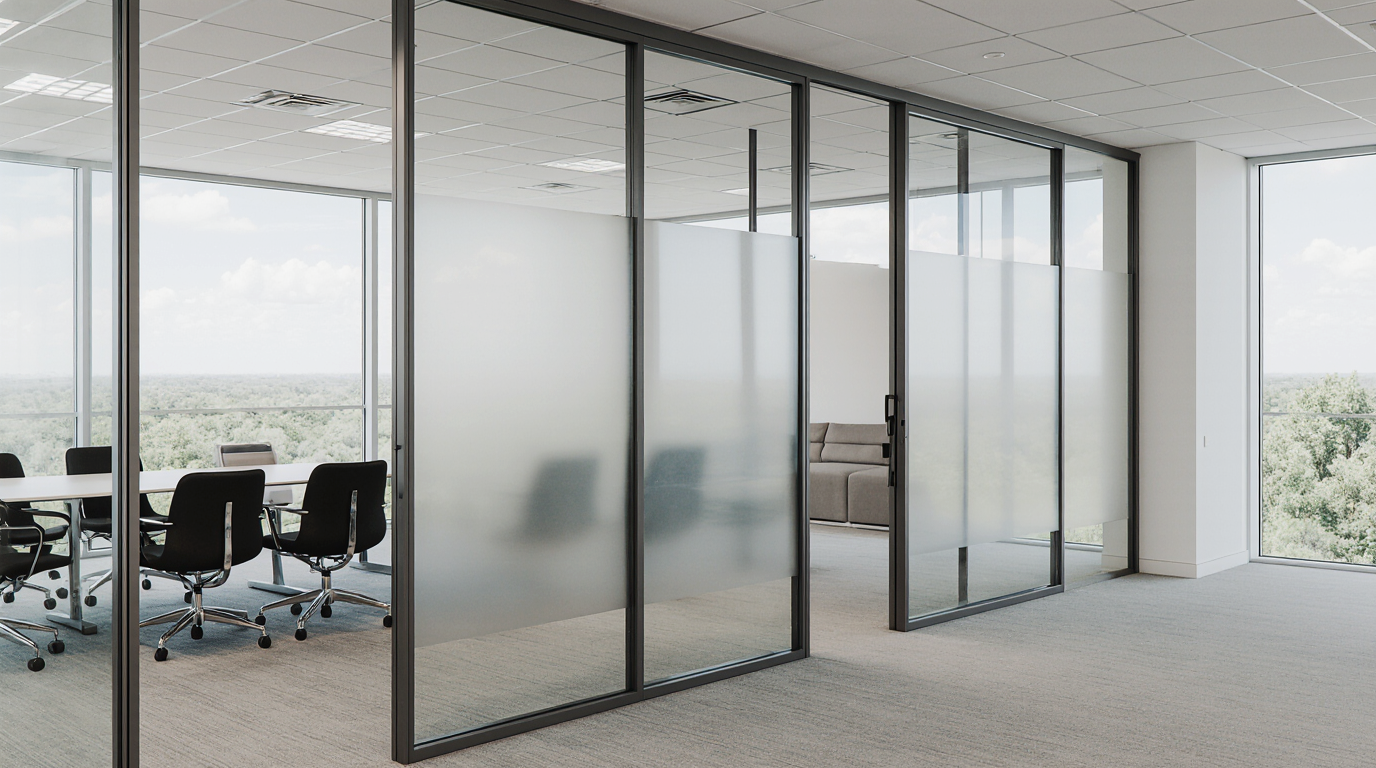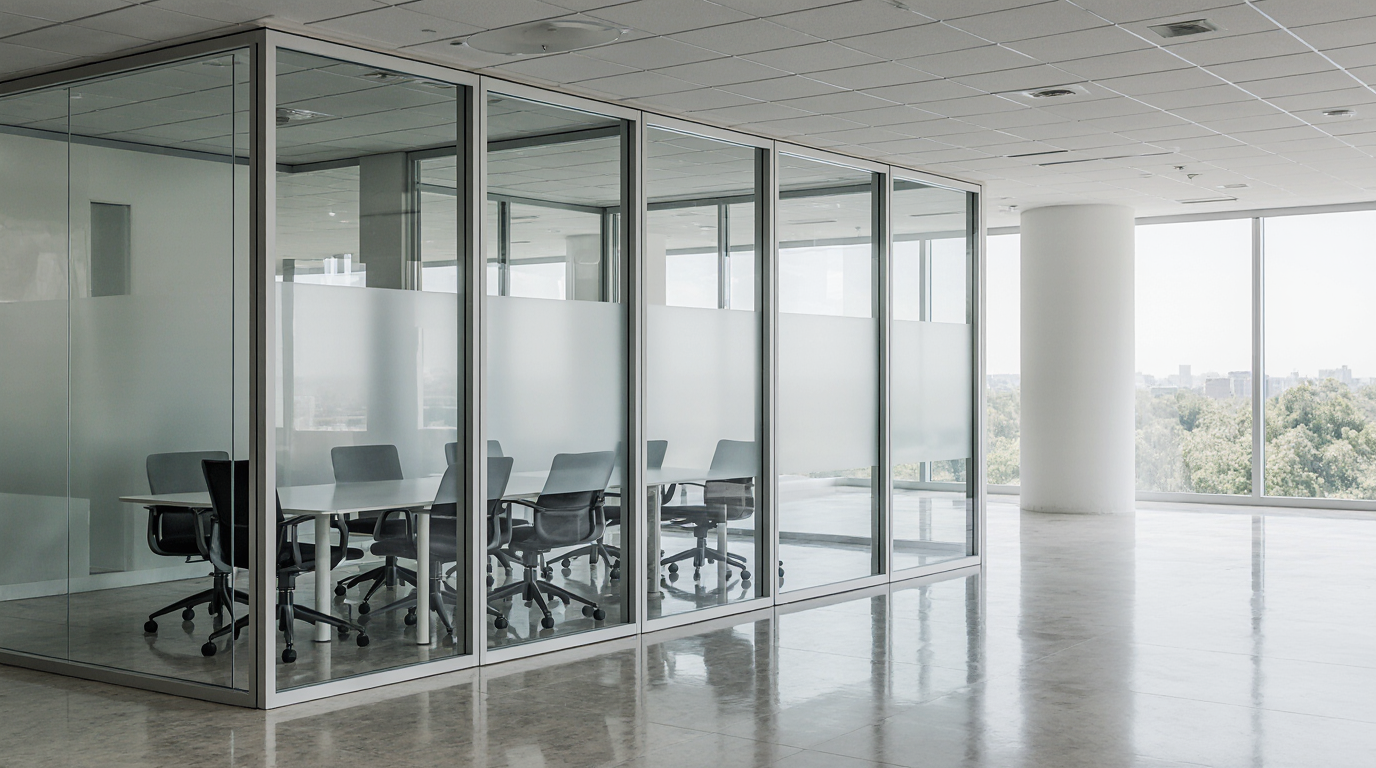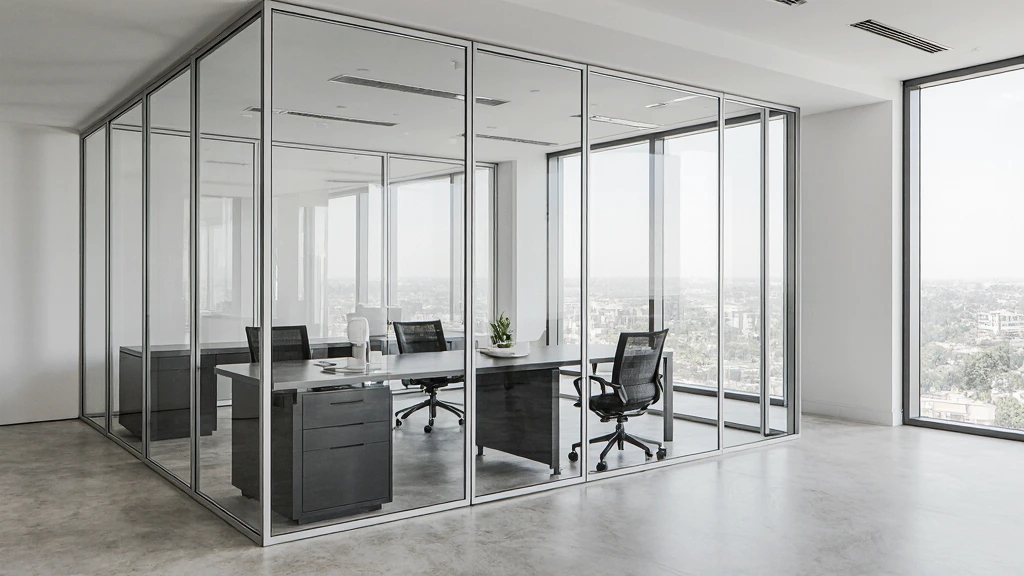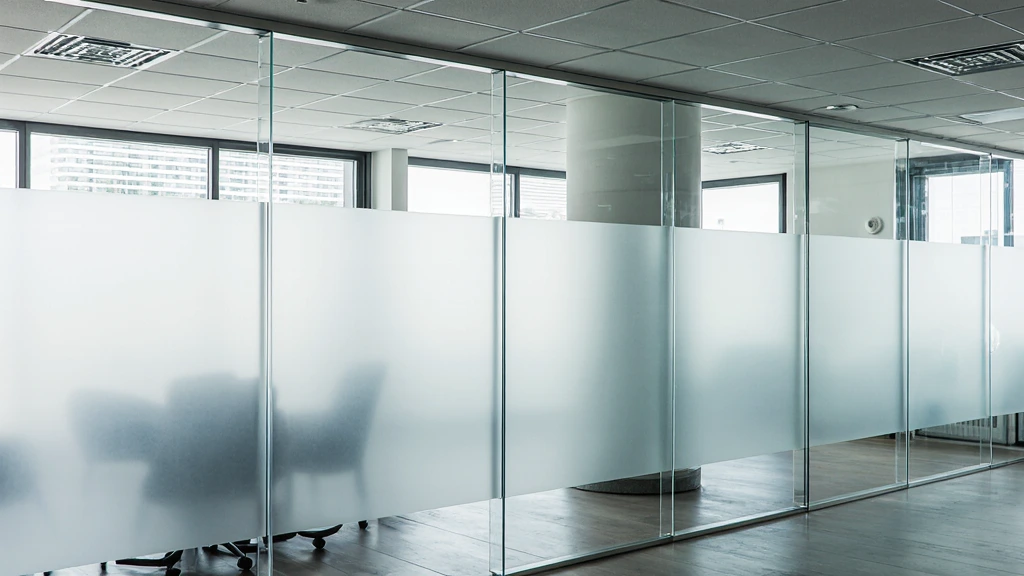
Glass Partitions
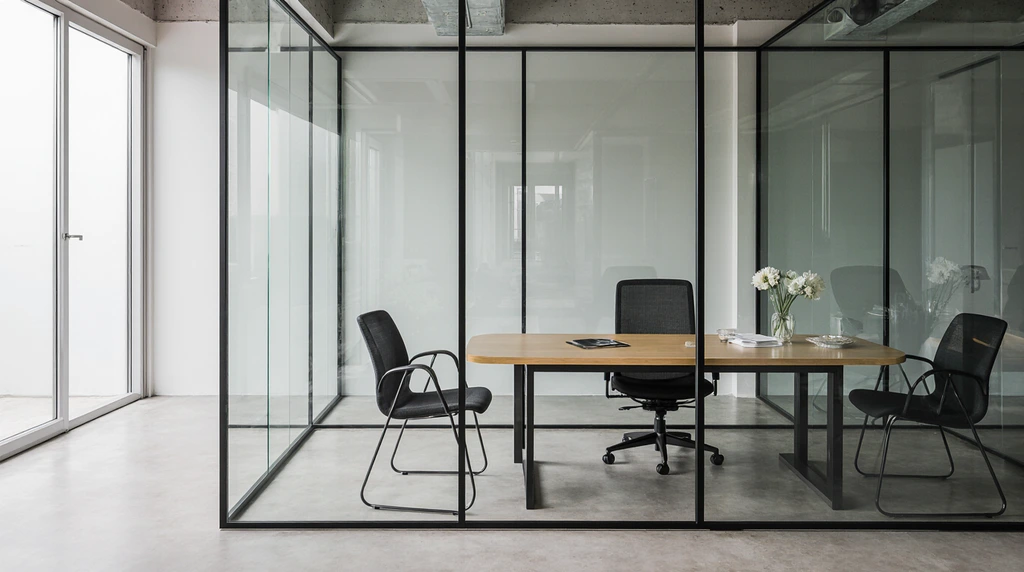
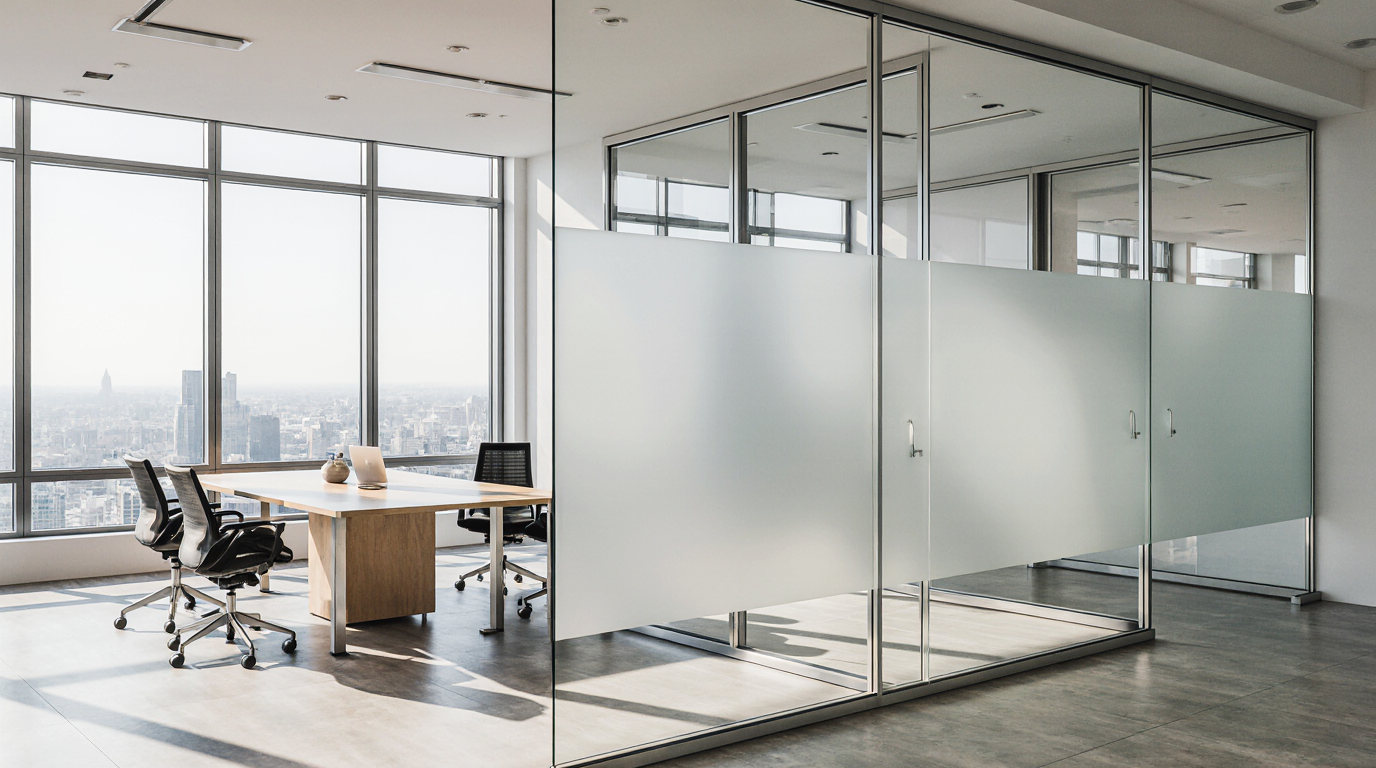
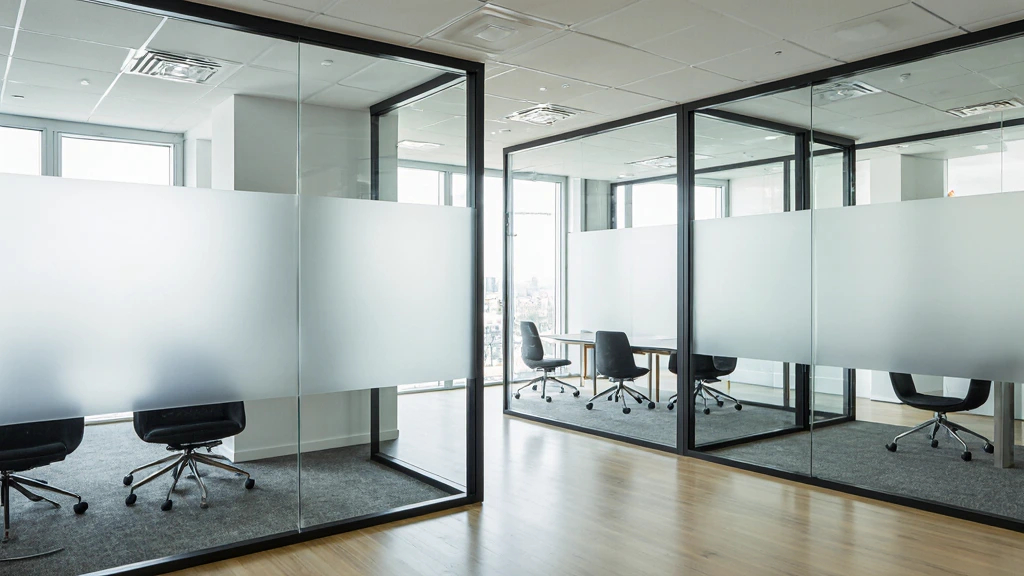
Glass Partitions, also known as demountable glass walls, represent a sophisticated and highly versatile solution for creating dynamic spatial layouts in offices, retail spaces, and contemporary homes alike. The chief appeal is the seamless flow of daylight they facilitate, which creates a brighter, more invigorating environment and minimizes the reliance on powered light sources.
Glass Partitions, also known as demountable glass walls, represent a sophisticated and highly versatile solution for creating dynamic spatial layouts in offices, retail spaces, and contemporary homes alike. The chief appeal is the seamless flow of daylight they facilitate, which creates a brighter, more invigorating environment and minimizes the reliance on powered light sources.
This eco-friendly feature translates into tangible energy savings and supports a healthier, more comfortable experience for occupants. They should be viewed as significantly more than just glass screens; they are essential components of the modern design lexicon that skillfully maximize the vital feeling of openness, spatial connectivity, and visual flow while concurrently providing the essential acoustic and visual separation required for focused work or privacy.
The design flexibility inherent in Glass Partition Systems is abundantly evident in the comprehensive variety of configurations and options readily available on the market. Available assemblies generally comprise single-glazed for maximum transparency and cost-efficiency, double-glazed for superior performance, and specialized fire-rated assemblies that adhere to strict safety codes. Double-pane partitions, particularly those fitted with internal cavities or remote-controlled blinds, are engineered to offer vastly superior sound attenuation and noise reduction capabilities, making them indispensable for acoustic isolation in high-traffic commercial spaces. The material composition itself includes several glass types, beginning with safety-conscious tempered panels — which is specifically designed for enhanced safety and shatters into small, relatively blunt pieces upon forceful impact — to highly secure laminated glass, featuring an internal polymer film that actively holds the glass fragments firmly together upon severe impact, maintaining the structural integrity of the barrier.
The installation methodology for these systems involves simple, low-impact construction, translating into the possibility of swift setup or rearrangement causing the least possible disturbance to the daily routine. This ease of demountability is a huge benefit for spatial planning for organizations requiring frequent workspace adjustments. This inherent characteristic of being easily movable translates directly into palpable, immediate cost savings and simultaneously qualifies the partitions as re-locatable, movable assets for accounting purposes, rather than traditional permanent building fixtures, thereby providing a substantial and measurable financial and tax benefit to the owning entity. Furthermore, the high-end aesthetics of the partitions can be extensively customized with options for trim materials (often premium anodized aluminum), the incorporation of etched or colored vinyl graphics, or even the implementation of advanced switchable smart glass that shifts from transparent to frosted at the flick of a switch to control visibility, cementing their status as a defining feature in modern, forward-thinking designs focused on creating bright spaces that encourage interaction without sacrificing the ability to focus.
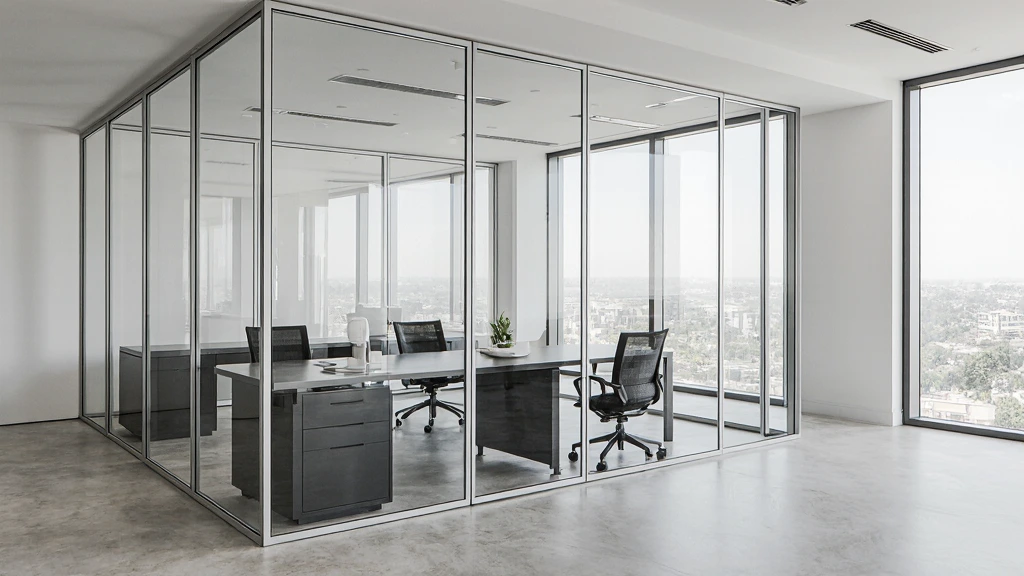
Frameless glass office partitionsThese partitions offer a stylish solution for segmenting commercial areas, ensuring an open and light-filled ambiance. Unlike traditional drywall, these systems use barely noticeable fixtures—typically a thin track at the floor and ceiling—allowing the focus to remain entirely on the broad glass panels. This design choice maximizes the transmission of natural light, which is proven to boost employee morale, productivity, and overall well-being. Furthermore, the transparency of the glass encourages a connected and collaborative atmosphere across the workforce, removing physical obstacles and promoting visual communication.
A primary upside of opting for frameless partitions is their natural versatility. They can be fully tailored to suit diverse aesthetic and functional requirements, offering options in glass thickness, type (tempered or laminated), and acoustic performance. As an example, specifying a double-glazed system with a high STC rating allows businesses to create quiet meeting rooms, dampening sound while retaining light and visibility. This adaptability makes them perfect for diverse environments, from bustling open-plan offices to executive suites and conference rooms.
Beyond their functional benefits, frameless glass walls offer significant appeal in interior design. They contribute to a modern, high-end look that can elevate a company's image and make a great impression on guests. The minimal hardware complements virtually any existing décor, whether the space is industrial, minimalist, or traditional. They provide a sophisticated, sophisticated backdrop, allowing architectural features and furniture to stand out while creating a professional atmosphere.
In terms of installation, frameless systems are often quicker and tidier to install than standard construction. They are considered modular and non-structural, meaning they can be quickly taken down and rearranged should the business need to relocate or redesign its internal layout. This long-term adaptability and the lower construction material waste make them a cost-effective and sustainable choice compared to permanent construction methods. The simple upkeep—typically just cleaning the glass—further adds to their appeal as a low-hassle, high-impact office solution.
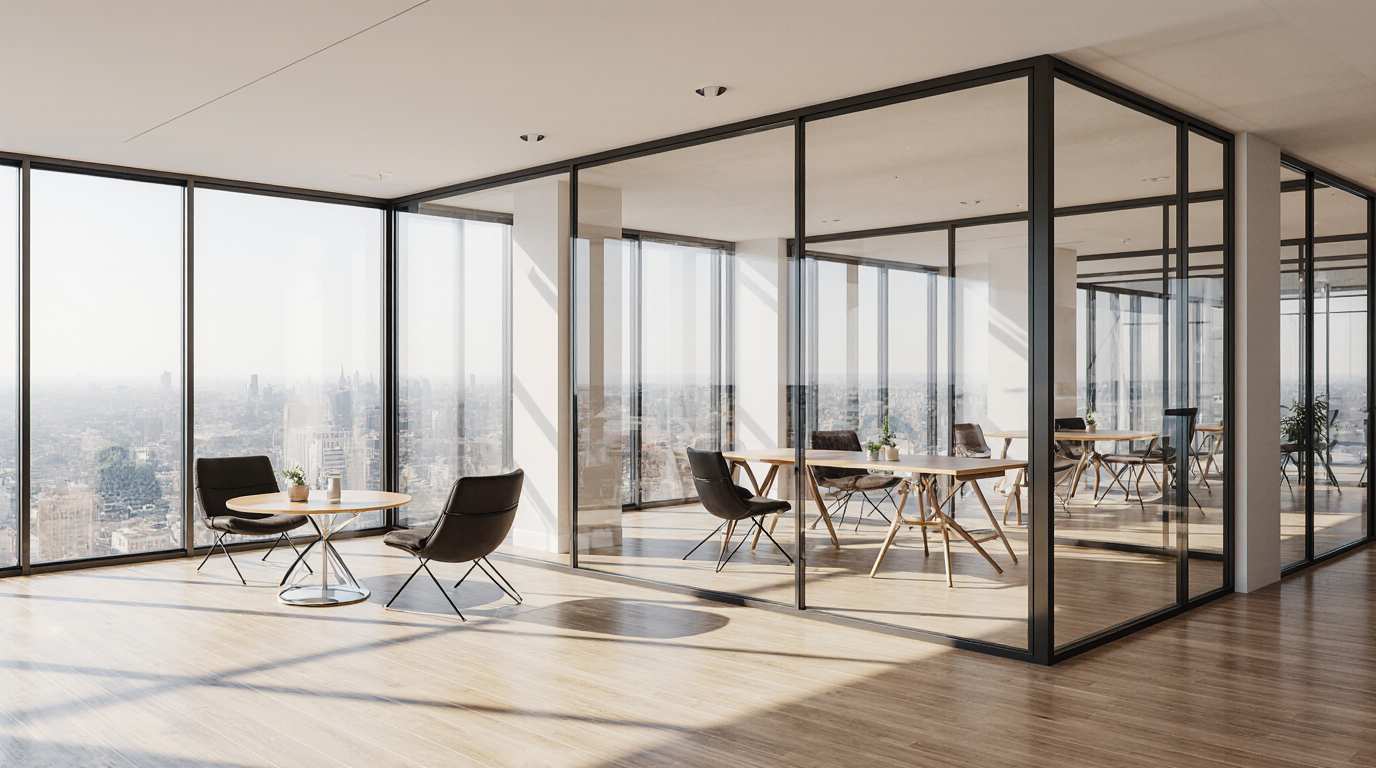
Frameless office partitionsFrameless office partitions are at the forefront of contemporary office architecture, focusing on creating dynamic, adaptable, and light-filled spaces. These systems utilize tempered glass that are secured with near-invisible tracks and connectors, doing away with cumbersome metal frames. By providing delineation without isolation, this solution successfully navigates the need for private workspaces within an open, collaborative setting.
The visual effect of these partitions is immediate and transformative. By allowing light to penetrate deep into the interior of the building, they reduce reliance on artificial lighting during the day, which can lead to considerable energy reduction and a reduced carbon footprint. For employees, the presence of natural light is a critical factor, often cited as the most wanted feature in an office, making these partitions a way to directly foster a healthier and more positive workplace.
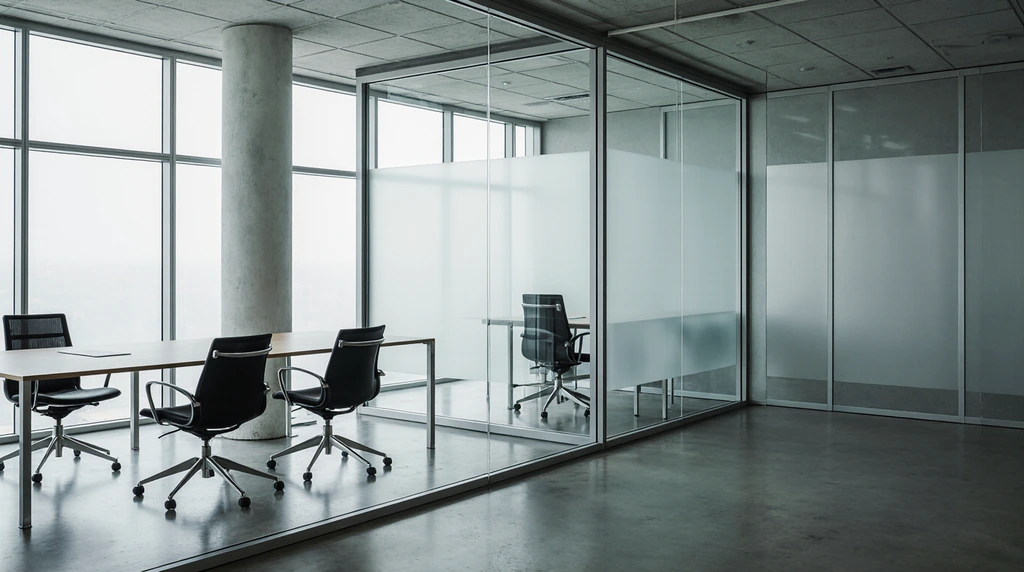
When selecting a frameless partitioning system, companies can choose from a variety of glass finishes to tailor the level of privacy required. Clear glass is perfect for common areas where full visibility is needed, while frosted, tinted, or switchable smart glass can be incorporated into private offices or boardrooms. Offering on-demand privacy, smart glass can switch instantly from clear to opaque, integrating perfectly with modern, tech-focused offices.
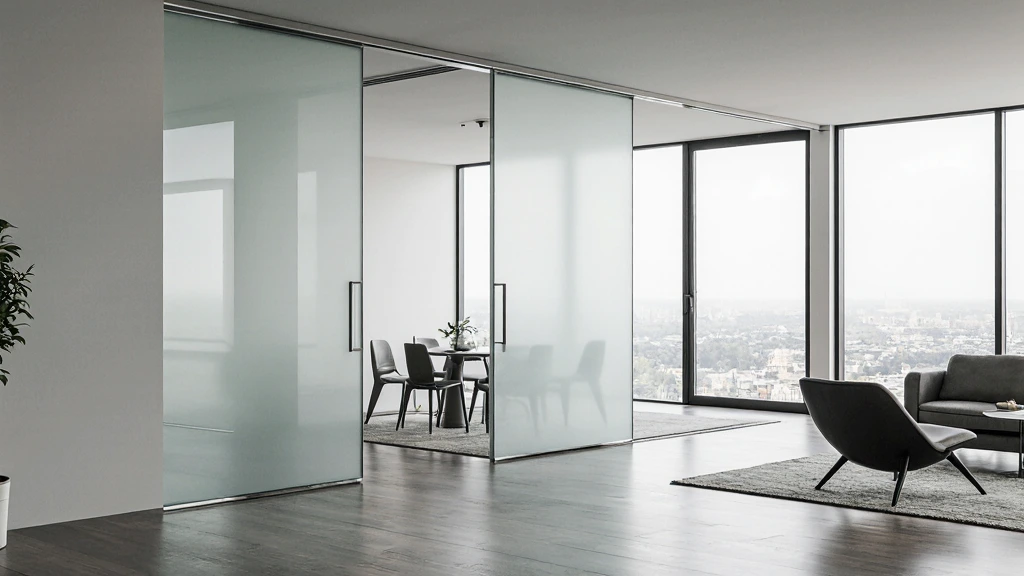
Moreover, the versatility extends to the door options. Frameless glass doors, often hung on sliding or pivoting hardware, maintain the continuous sightlines established by the walls. These doors can be fitted with minimalist handles and fittings that match the minimalist aesthetic, ensuring that the transition between partitioned spaces is as seamless and clean as possible. This uniform design is crucial for achieving a truly unified and high-quality architectural finish throughout the commercial space.
Exterior frameless glass wall systemsExterior frameless glass wall systems are architectural marvels designed to create a smooth connection between the indoors and outdoors. These systems feature large, structural glass panels, often acting as operable facades, and are utilized in commercial architecture, retail spaces, and luxury residential designs. The key design feature is the virtual absence of vertical frames, which maximizes panoramic views and bathes the interior in natural light.
A critical function of these exterior systems is their performance in weather sealing and thermal insulation. Despite their minimalist appearance, modern frameless glass walls are engineered to meet stringent building codes for withstanding wind loads, water penetration, and energy efficiency. They typically incorporate heavy-duty, specialized insulated or laminated glass and advanced drainage tracks to manage drainage, ensuring the building remains energy-efficient and secure in various climates.
The diverse applications for these systems are widespread. In commercial architecture, they are frequently used for expansive entrances, ground-floor retail displays, and access to balconies or rooftop terraces, transforming a fixed wall into a dynamic, functional feature. By stacking, sliding, or folding the panels, users can completely expose the interior to the outdoors, which is highly sought after for restaurants, cafes, and event spaces looking to maximize their usable area and appeal during favorable weather.
Security and durability are critical requirements for exterior use. The glass used is generally thick, laminated, and toughened for impact resistance and safety. The hardware, though minimal, is robust, usually made from high-grade stainless steel or aluminum to resist corrosion and wear. Investing in a high-quality exterior frameless system ensures that the building benefits from natural light and stunning views without compromising on safety, security, or the structural integrity of the building over time.
Frameless glass wallsFrameless glass walls are a top-tier architectural feature characterized by their unique capacity to maximize light and visibility within any structure. This style of partitioning is distinct from conventional construction because it prioritizes the material of the glass itself, using minimalist, discreet hardware only for structural integrity. The resulting structure appears nearly invisible and light, achieving a sense of openness that solid walls simply cannot offer, making them invaluable in congested urban environments.
The versatility of frameless glass allows it to be utilized in an wide variety of environments. In residential design, they can separate a home office or gym from a living area, or be used as shower enclosures and balcony railings to maintain uninterrupted views. In commercial and public buildings, they delimit specific areas—from quiet study areas in libraries to check-in queues in airports—all while preserving an overall feeling of connection. This adaptability makes them a favorite selection for architects seeking clean lines and contemporary aesthetics.
A key functional aspect is the sound insulation capacity of frameless glass. While a single-glazed system offers fundamental noise reduction, dual-pane (or double-glazed) systems excel at creating rooms with acoustic separation. The laminated interlayer or air space between the panes acts as a significant sound barrier, allowing confidential meetings to occur in a glass-walled room next to a busy office, showcasing how function and form achieve perfect harmony.
For businesses, the incorporation of technology is growing with frameless glass walls. Built-in mechanisms can allow for the seamless incorporation of digital displays, projection screens, or window treatments like automated blinds. These features maintain the clean, minimalist look while providing the necessary functional elements for a modern office, such as presentation capabilities and controlled environmental privacy. The blend of advanced technology and simple glass highlights the modernity of this architectural solution.
Glass wall framelessA "glass wall frameless" system refers to the architectural concept where structural integrity is achieved with few visible supports, making the glass itself the main functional and aesthetic feature. This advanced building technique is a hallmark of contemporary architecture, valued for its ability to create open, bright, and highly transparent interior spaces, blurring the distinction between functional zones.
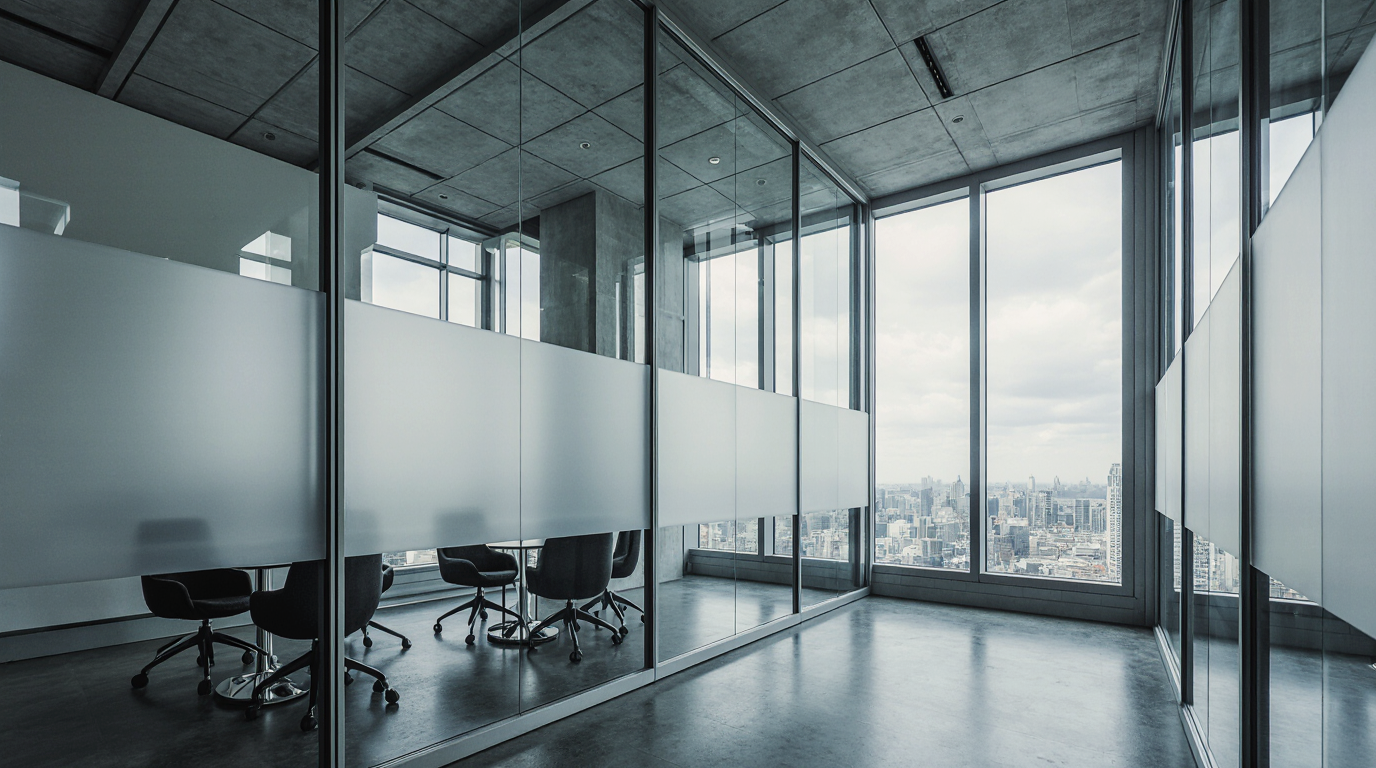
The engineering behind these walls is key to their success. The glass panels are often floor-to-ceiling and are secured using discreet clamping devices or recessed ceiling and floor channels. This specialized hardware is crucial for stability and accurate alignment, ensuring a clean, unbroken expanse of glass. The selection of glass is also critical, with options including low-iron glass for highest transparency, or frosted/sandblasted glass to introduce varying degrees of visual obscurity.
Choosing frameless glass offers practical advantages in terms of hygiene and maintenance. Unlike drywall or fabric partitions, glass is non-porous and easy to clean, contributing to a healthier environment by reducing dust and allergen buildup. This makes them particularly suitable for healthcare, laboratory, or food service environments where hygiene is paramount, without sacrificing the benefits of natural light and visual oversight.
Finally, the frameless glass wall's design can dramatically affect a property's perceived value. They are an improvement over conventional construction, signaling a commitment to quality, modernity, and intelligent use of space. Whether used to divide a large retail floor, create a spectacular residential view, or divide an office area, a glass wall frameless system is a powerful architectural statement that improves the experience of the space for occupants.
Modern office partitionsModern office partitions have transformed from basic dividers to key functional components that enhance workplace functionality and aesthetics. These contemporary systems offer flexibility, allowing businesses to swiftly reconfigure their space as organizational demands evolve. Different from traditional, immovable barriers, modern partitions often incorporate portable, prefabricated elements and integrated technology, contributing to a more dynamic and collaborative environment. They are key components in dynamic office design, delineating areas for individual tasks, quick chats, and peaceful breaks without the disruption of fixed installations.
The trend of non-private layouts was intended to encourage interaction but frequently resulted in noise complaints and a lack of solitude. Modern partitions strike a crucial balance, providing necessary division while maintaining a sense of openness. Materials range from sleek aluminum and sustainable wood to high-performance plastics. Furthermore, design trends favor clean lines, minimalist frames, and integrated technology, making the office not just a place of work, but a showcase of organizational ethos and productivity.
One significant benefit of these flexible structures is their positive impact on installation time and cost. Since they are modular and not structural, they require much lower interference compared to traditional drywall installation. This ease of deployment makes them perfect for rapidly expanding businesses or companies renting their premises where fixed changes are not permitted. They can also be quickly taken down and put up elsewhere, offering a better value proposition and green credentials by reducing construction waste.
Choosing the optimal divider involves looking at noise reduction, transparency, and how well it matches current furniture. For example, a short desktop screen may be sufficient for visual separation, while full-height transparent panels might be chosen to optimise sun exposure and ensure visual continuity. The thoughtful selection of style and components ensures the partitions not only create zones but actively contribute to employee well-being and productivity.
Soundproof office partitionsThe challenge of noise pollution in open-plan environments, mainly in collaborative settings, has made soundproof office partitions an vital purchase. These specialized systems are built to strongly block sound waves, creating quiet zones necessary for concentration, sensitive talks, and virtual meetings. Acoustic integrity comes from multiple thick layers, cavities, and tight gaskets that dampen or stop noise energy, evaluated via the STC metric.
Investing in high-STC partitions directly addresses a major source of workplace distraction, which studies show severely impacts productivity and mental well-being. By eliminating unwanted audio, employees can achieve deeper focus, leading to improved output and less anxiety. This is crucial for groups demanding deep immersion, such as engineering or creative teams, or for areas reserved for external consultations and private talks.
Soundproof partitions are not always visually opaque; many top-tier sound-dampening solutions use layered or dual-pane glass with an gap or acoustic membrane. This allows businesses to maintain the valued aspects of sunlight and openness while ensuring acoustic privacy. The perfect blending of utility and aesthetics means that a quiet space no longer has to feel claustrophobic or cut off from the rest of the office environment.
The application of soundproofing technology extends beyond complete vertical dividers to include sound-absorbing screens and overhead dampeners. A holistic approach, which addresses all main surfaces—base, top, and sides, provides the most effective noise control. When choosing acoustic systems, it is essential that the fitting preserves the noise isolation, ensuring all seams around doors, glazing, and structural interfaces are properly closed.
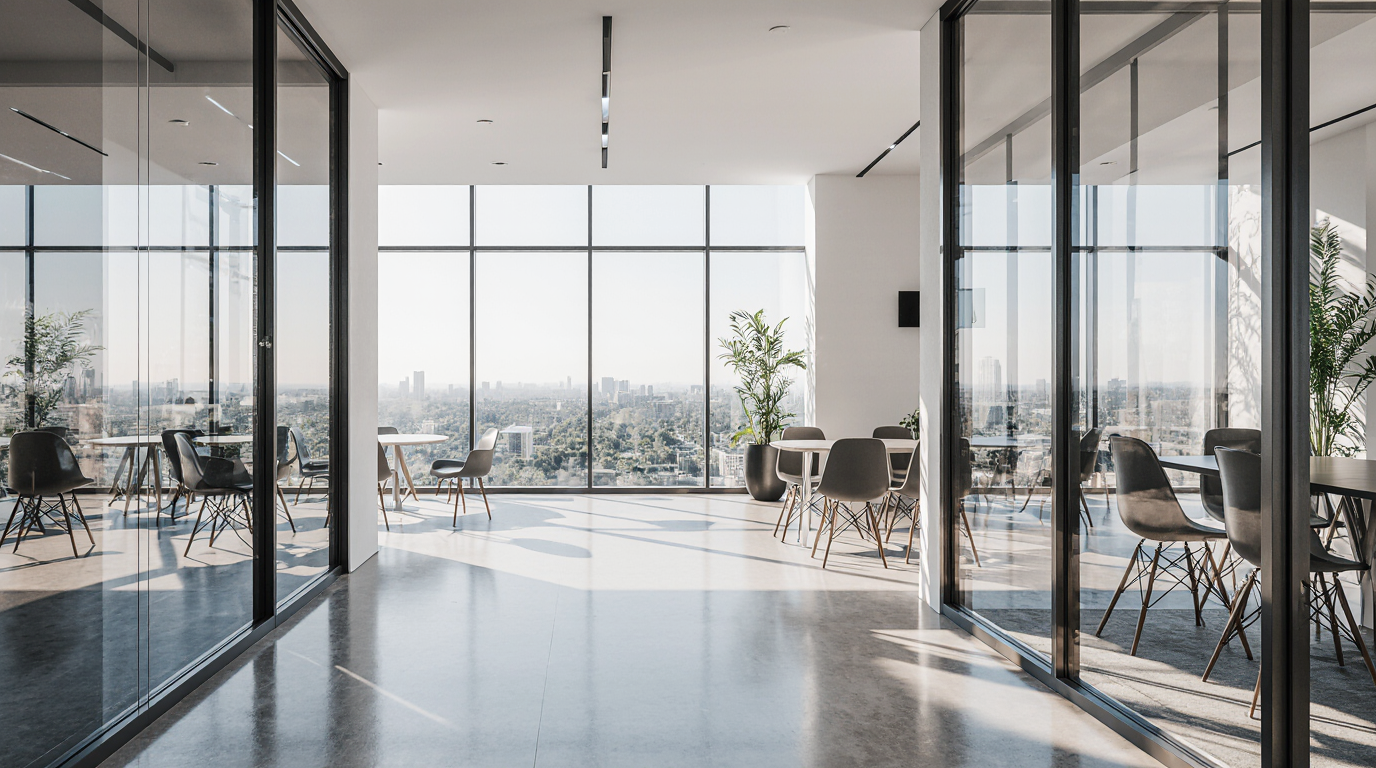
Glass office dividersGlazed workspace screens have become a signature feature of contemporary commercial interior design, chosen for their power to segment rooms without losing transparency or daylight. Their clear nature gives an open, expansive atmosphere, helping to alleviate the feeling of being closed in, which can be common with traditional drywall. This transparent environment encourages a mindset of clarity and joint effort across the organization.
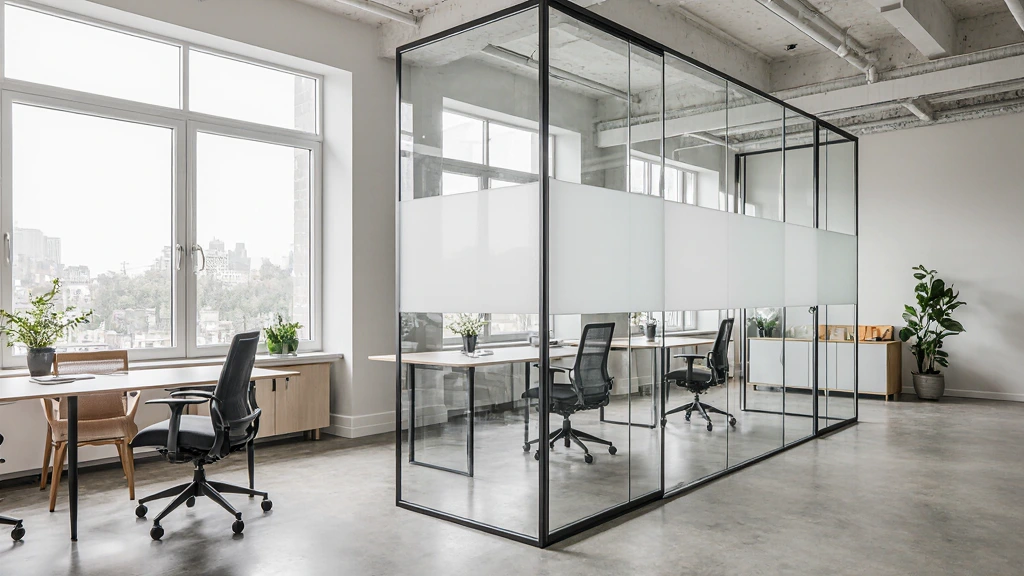
The versatility of glass dividers is clear from the variety of designs offered, from minimalist, unsupported tall sections that offer a sleek, minimalist look, to supported screens that provide increased strength and a more noticeable style. Furthermore, design can be personalized through the use of etched patterns—visual treatments or artwork that feature the brand identity, introduce partial seclusion, or serve as a safety marker for the clear glass.
In addition to their looks, the presence of transparent material in the office offers tangible upsides, such as lower utility bills. Via optimizing the spread of sun exposure throughout the space, companies can lower the dependency on overhead illumination. This not only saves money on power bills but also improves staff morale and natural sleep cycles, connecting sun exposure to better focus and happiness.
Upkeep for glazed screens is simple, typically requiring just regular wiping methods. In terms of construction, they are usually quick to install and are considered a non-permanent fixture, allowing for simple adjustment when company requirements change. This mix of sophistication, performance, and versatility makes glass dividers a superior choice for any organization seeking a sleek and reconfigurable environment.
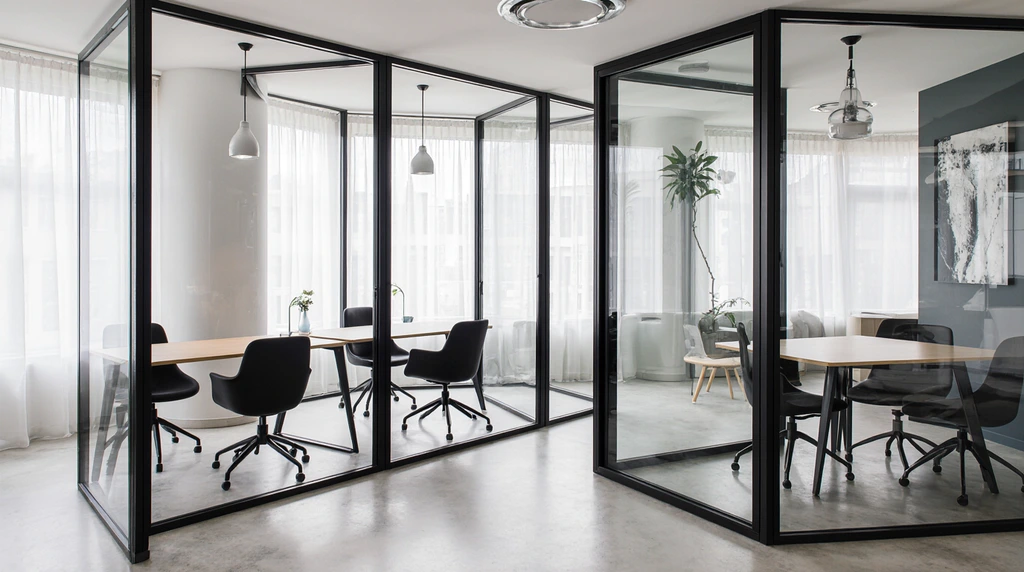
Interior glass partitionsInternal glazed walls represent a flexible and visually appealing solution for segmenting and structuring office environments, blending the need for structure with a desire for openness. They act as a sleek substitute for fixed barriers, allowing the sense of space to be preserved while establishing dedicated offices, collaboration hubs, or silent corners. This feature is critical in encouraging a teamwork environment while still honoring the need for personal and group concentration.
A key benefit of using interior glass is its contribution to biophilic design principles, which suggest optimizing the use of outdoor elements inside. Glass maximizes the use of ambient light and, when possible, lets outside views be seen throughout the space. By keeping the office bright and visually connected to its surroundings, the partitions contribute to a wellness-focused, inspiring setting that can lead to enhanced worker contentment and efficiency.
The options for personalizing glass walls are almost endless. Partitions are available with one or two layers of glass, determined by noise control needs. Different kinds of doors—like sliders, pivots, and standard hinges—fit in perfectly. Furthermore, the glass itself can be treated with smart technology, such as dynamic opacity panels, which changes from clear to frosted instantly at the push of a button, giving quick confidentiality without the hassle of shades or fabric screens.
The installation of these modular systems is typically significantly tidier and speedier than fixed wall creation, resulting in very little interruption to operations. Because they are frequently treated as fixtures or removable dividers, they can offer tax and lease-related advantages over permanent construction. This blend of quickness, style, and adaptability positions interior glass partitions as a clever, enduring choice for modern commercial spaces.
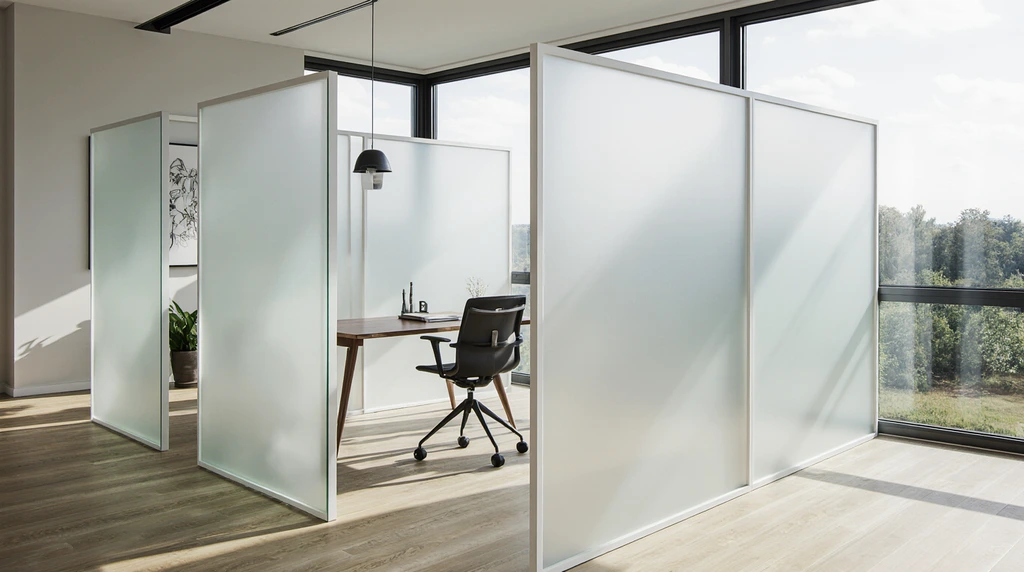
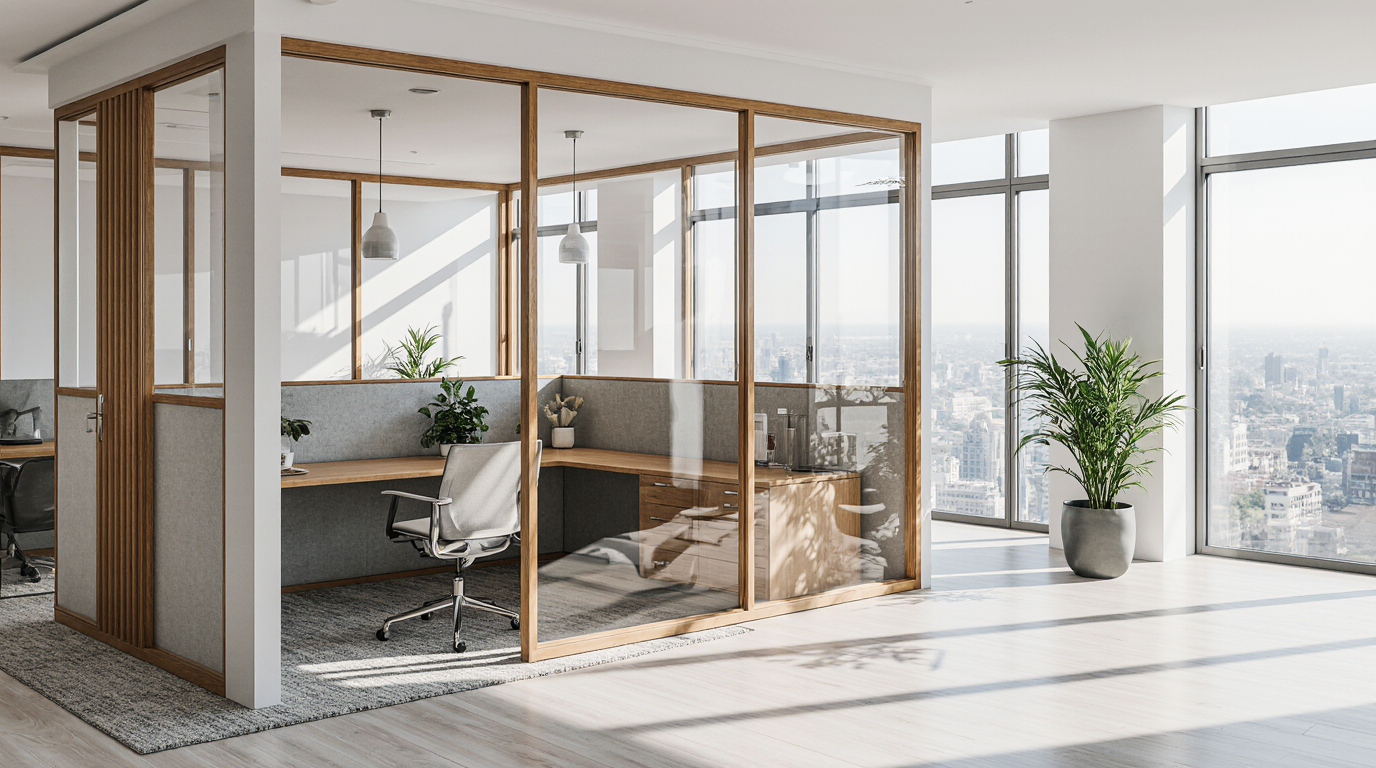
Glass cubiclesGlass cubicles are a sleek development of the conventional workspace, intended to give people seclusion and a dedicated area while eliminating the isolating feeling of high, opaque walls. By incorporating see-through or semi-opaque screens, these structures provide the visual boundary needed for focus without blocking natural light or completely isolating the employee from the surrounding team environment.
This design philosophy is a remedy for the issues found in both communal layouts (no seclusion) and older pods (dim and disconnected). Glass cubicles offer the necessary acoustic attenuation and a visible demarcation of personal territory, which can lower disruptions and enhance a worker's psychological attachment to their desk, consequently improving attention and job satisfaction.
Functionality is often enhanced in glass cubicles through smart incorporation of tech features. Power and data cables are typically routed discreetly within the partition framework, and the structure itself can hold screens, storage units, and filing accessories. The transparency of the material also allows supervisors and colleagues to maintain a visual connection, which aids in communication and general office oversight while honoring the employee's territory.
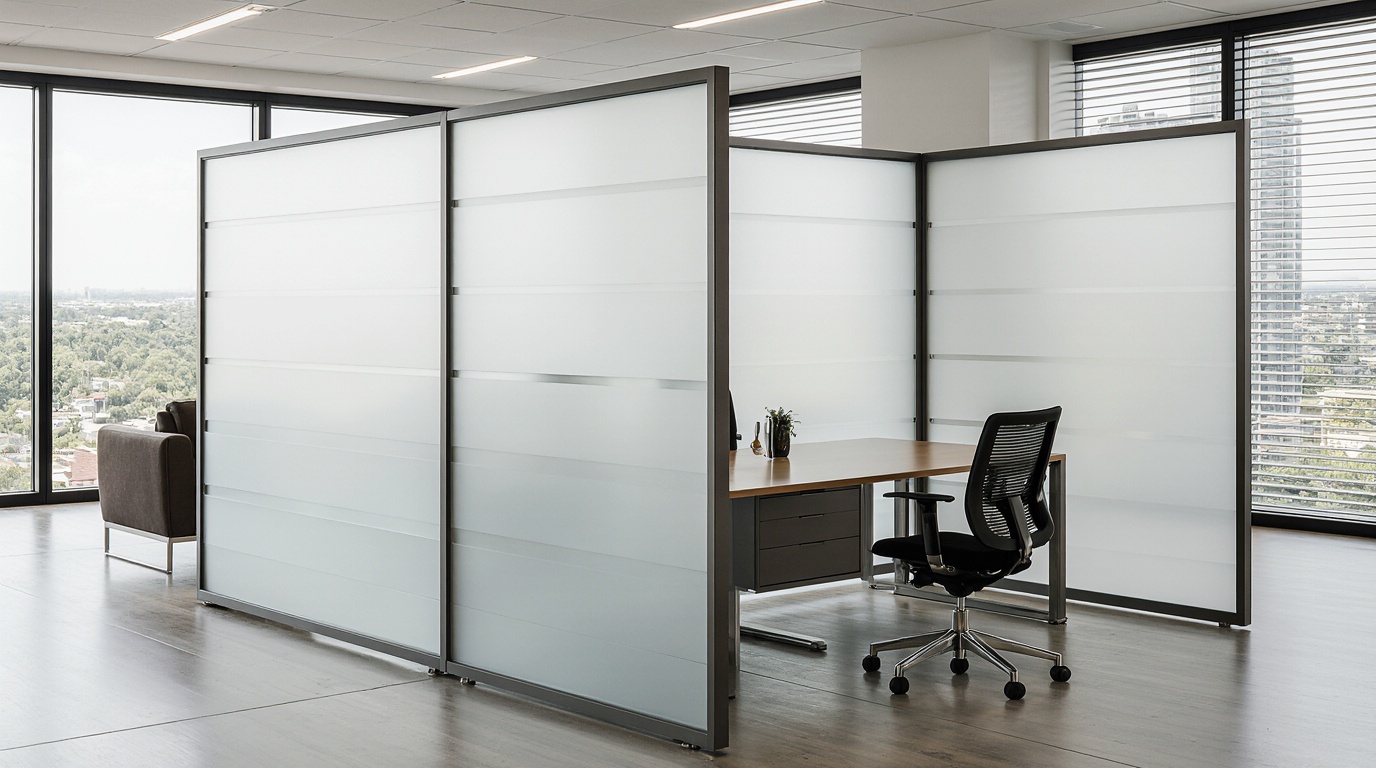
While delivering a personal zone, the lower height or strategically placed frosted sections of glass cubicles discourage workers from staying isolated. They strike an equilibrium that supports focused tasks as well as casual chats when necessary. For companies seeking to refresh their office to align with current ideas of openness and staff health, the glass cubicle offers an effective, attractive, and economical way for arranging employee desks.
Glass wall partition officeA contemporary, stylish, and supremely functional way for dividing office space. They offer a perfect blend of privacy and open-plan design by allowing natural light to bathe the entire space in light, which is proven to boost employee morale and productivity. Furthermore, the fitting of glass systems is quicker and cleaner than standard dry construction and provides businesses with adaptable floor plans that can be readily altered when requirements evolve.
These partitions come in many styles, such as frameless options that provide a smooth, continuous aesthetic, or systems with frames that offer enhanced structural integrity and a specific visual style. They can be customized with varying degrees of transparency, like frosted, patterned, or colored glass, to regulate seclusion while maintaining high light penetration. This customization is necessary for establishing private collaboration zones or senior staff areas while preserving a visually linked atmosphere throughout the floor plan.
Beyond aesthetics, glass walls greatly support a more sanitary and well-kept working area. They are easy to clean and maintain, and their non-porous surface is not as prone to collecting bacteria as textile or absorbent finishes. The transparency of glass also encourages an environment of openness and teamwork, removing both the real and perceived walls separating staff and leadership.
Acoustic performance is another key benefit. High-quality systems using two layers of glass are superior for sound reduction, allowing for silent spaces required for concentration, privileged conversations, and private meetings. This combination of clear sightlines and soundproofing is the defining factor that establishes glass systems as essential for today's office aesthetics, addressing the need for both collaboration and concentration in a single solution.
Glass partition walls for home officeThe rise of remote work has made the home office a essential room, and glass partition walls offer an ideal solution for defining this area without making the home feel cramped. Unlike solid walls, a glass partition clearly delineates the workspace from the living area, establishing a specific work unit that is apart but retains sightlines to the rest of the dwelling. This separation helps maintain a work-life balance by creating a psychological barrier that signals the start and end of the workday.
For the home setting, design flexibility is paramount. Home office glass walls can be fitted as gliding entryways or stationary sections, often featuring minimalist framing to blend seamlessly with residential décor. They can be specified with electrochromic glass that offers on-demand changes in transparency for on-demand privacy during video calls or focused work sessions, a feature particularly useful in a busy, shared household.
The ability of glass to allow maximum daylight penetration stands as its top feature for working from home. Natural light is key to maintaining healthy sleep patterns and lowering visual fatigue, which is necessary when working extended periods at a computer. By ensuring that light penetrates deeper into the home, glass partitions result in a lighter, more inviting feel both within and beyond the workspace.
Choosing glass also provides a sense of high-end, modern flair to the property. It represents a premium upgrade that can significantly increase the perceived value and aesthetic appeal of the property. For those needing to convert a portion of a living room or a large bedroom into a functional office, glass partition walls provide the optimum combination of purpose, discretion, and visual continuity.
Modular glass office wallsModular glass office walls are the definitive answer for adaptable office space and ensuring a long-term viable floor plan. They are factory-made systems intended for easy, temporary installation, meaning they can be rapidly assembled, disassembled, and altered or repositioned with low impact and material loss. This inherent adaptability is a significant cost-saving benefit over traditional construction, especially for businesses anticipating growth or frequent team restructuring.
The main advantage of modular systems is their rapid assembly time. Because components are pre-sized and eliminate the need for untidy modifications or painting on-site, installation time is significantly cut down, allowing businesses to reduce periods of inactivity and rapidly respond to new space needs. This efficiency is critical in fast-paced commercial environments.
Modular walls keep a sophisticated, modern look while allowing for necessary infrastructure. They are often engineered with internal channels to easily run electrical wiring, data cables, and HVAC connections, ensuring a neat and tidy office appearance. This fusion of practicality and style is characteristic of superior modular systems.
Furthermore, these systems often include excellent sound-dampening gaskets and materials within the frame, ensuring excellent sound isolation between individual offices or meeting spaces. The investment in modular glass walls allows companies to establish fluid, configurable, and sound-insulated settings that suit all employee needs, making them an wise financial commitment.
Glass office walls and doorsGlass office walls and doors are crucial ingredients for establishing an elegant and effective working environment that prioritizes both visual clarity and user access. The combination of glass walls with matching glass doors, be they on hinges, tracks, or central pivots, provides a smooth distribution of daylight and visual connection across the entire layout, making the area feel larger.
The doors themselves are a significant aesthetic factor. Glass doors on a track are a popular choice due to their minimal footprint, particularly in tight corridors or where clearance is an issue. Swinging glass doors, conversely, offer a conventional way to enter and can be equipped with heavy-duty hardware and locking mechanisms for enhanced security in private areas.
High-quality glass doors are engineered to comply with tough standards for resilience and security. They are typically made from heat-strengthened or multi-layered glass, allowing them to resist the frequent wear and tear of a corporate workspace. Moreover, the hardware—including pulls, pivots, and closers—is crafted for utility as well as to match the complete look of the glass divider setup.
This integrated approach means that each doorway preserves the superior attributes of the overall partition setup, particularly its acoustic properties. When properly sealed, the entire system of walls and doors collaborates seamlessly to offer adequate acoustic separation, enabling confidential discussions to happen in private without completely cutting off staff visually.
Glass cubicles for officeGlass cubicles signify a progression from the standard panel-based desk area, offering a stylish interpretation of separate areas in a current office environment. Unlike fully enclosed offices, glass cubicles supply the clear boundary needed for individual work while permitting sunlight in while preserving sightlines to the rest of the department.
These structures are typically built using minimalist glass divider panels to mark off personal or small team areas. They offer a partially secluded setting that minimizes visual interference while still promoting collaboration and allowing for easy supervision. This design choice is often seen as a positive balance between the total separation of private rooms and the overwhelming sensory input of an open layout.
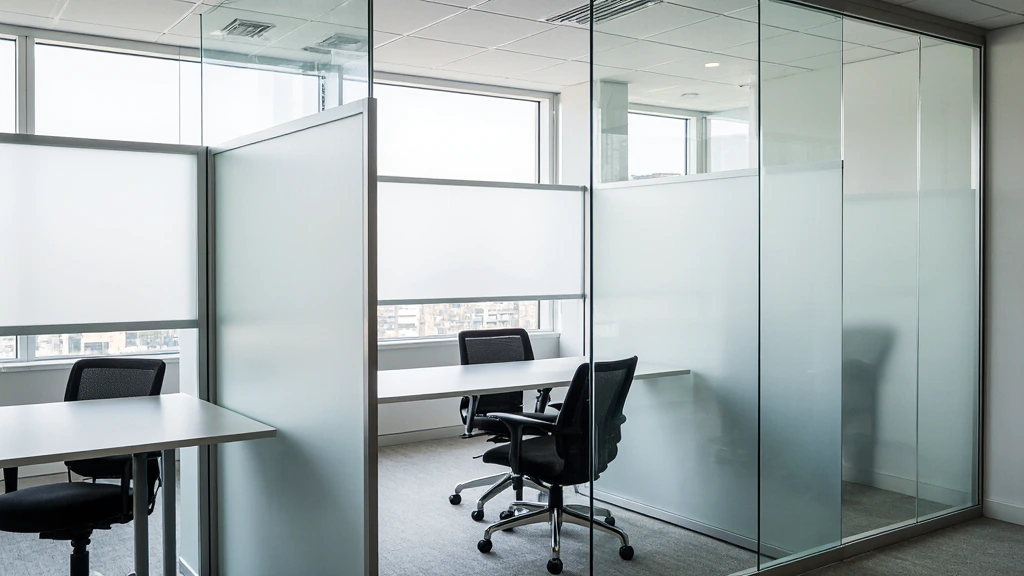
The use of glass in cubicles can be highly customized to meet specific privacy needs. Options include utilizing frosted glass on the lower half or back panels of the cubicle for modesty, while leaving the top parts transparent to ensure light transmission. This measured design aids staff focus without creating a sense of being boxed in.
Furthermore, glass cubicles can be simply fitted with comforts like standing desks and individual temperature settings, outperforming the capabilities of traditional, non-flexible divider systems. By offering separate, clear, and soundproof areas for employees, glass cubicles support individual well-being and concentrated work, which is vital for complex or detailed tasks in today's dynamic workplaces.
Glass Office Wall SystemsFor modern workplaces aiming to increase natural light and foster a visually open feel while still requiring sound separation, glass office wall systems offer a contemporary and highly effective solution. You'll generally find that these systems include interchangeable glass panels, framing components such as aluminum, and specialized hardware for setup. Offering a more flexible option than permanent drywall, these systems empower businesses to quickly adapt their floor plan, making them especially useful to companies in periods of rapid growth.
The primary appeal of these systems lies in their ability to partition space without blocking the flow of light. This feature not only improves the office's look but is also known to boost employee well-being and productivity by cutting down on the need for artificial light and linking people to the exterior. Critical factors in selecting a system are the glass type (tempered, laminated, or frosted), the required acoustic performance (gauged by STC ratings), and the door operation (sliding, pivot, or hinged).
The installation of quality glass walls may help offices achieve LEED or similar sustainability certifications by maximizing natural light, which can lead to reduced power costs. The environmental friendliness of the office is often improved because numerous suppliers offer products incorporating recycled components. The finish you select for the framing, such as polished chrome or modern matte black, ensures the system blends perfectly with your office’s existing style and branding.
Furthermore, modern systems are engineered for fast and clean installation, minimizing disruption to ongoing business operations. The flexibility in design allows for various configurations, including full-height walls, partial dividers, and integration with solid wall sections. This design adaptability ensures that every area—from private offices and conference rooms to open-plan workstations—can be optimized for its specific function while maintaining a cohesive, professional aesthetic throughout the workplace.
Glass Divider Wall for OfficeA glass divider wall for an office serves as an essential tool for balancing the need for collaborative open spaces with the necessity of private, quiet zones. Dividers, unlike complete office wall systems, are frequently used to section off expansive open floors, resulting in specialized team pods, concentration areas, or impromptu meeting locations. They provide a psychological barrier that can significantly reduce distractions in busy environments without sacrificing the bright, airy feel that open-plan designs aim to achieve.
How effective a glass divider wall is depends significantly on its material makeup. Acoustic glass options, featuring laminated or double-glazed panels, are highly effective in dampening noise transfer, making them ideal for separating noisy communal areas from quiet, concentration-based workstations. If visual discretion is a priority, such as in a manager's space or a small huddle room, using switchable smart glass, tinted, or frosted panels can deliver instant obscurity.
A significant benefit of glass dividers, compared to permanent structures, is their lack of structural necessity and simple mobility. Many modern dividers are modular or on tracks, which allows businesses to adjust their office layout quickly and cost-effectively in response to changes in team size or project structure. This level of innate flexibility establishes them as a critical, long-term asset for any agile organization.
Design versatility is another major benefit. Glass dividers can be customized with company logos, graphics, or subtle film patterns, turning a functional element into a powerful branding and design statement. By blending glass seamlessly into the office environment, a sophisticated, modern yet enduring high-end appearance is achieved, which benefits employee morale and client perception.
Glass Office Walls PricePricing for glass office walls is highly dependent on various crucial elements, and therefore a single, fixed estimate is unattainable. As a rule, costs are tallied from the wall's linear footage, the chosen glass type, the complexity of the framing structure, and the labor involved for installation. Those considering a purchase should view this as a long-term investment, offering advantages in property value, natural illumination, and design flexibility.
The specific kind of glass selected heavily influences the final price. The most affordable choice is single-pane tempered glass, but specialized options like double-glazed acoustic glass or high-performance laminated glass, essential for strong soundproofing, come with a much higher price tag. Due to advanced manufacturing and technology, premium options such as low-iron glass (for ultimate clarity) or switchable privacy glass are found at the highest price points.
Another major component of the total cost is the framing and hardware. Although frameless glass systems have a minimalist appearance, they frequently demand heavier-duty and more specialized hardware for stability, which can raise the cost of materials. Conversely, while fully framed systems might use less costly hardware, the expense of the steel or aluminum framing, including any custom colors or finishes, needs to be considered.
Finally, installation labor is a crucial pricing element, especially for complex designs involving curved glass, ceiling transitions, or specialized door mechanisms like automated sliding doors. Trustworthy installers base their fees on the project's scope and complexity, guaranteeing the final walls are safe and operate as intended. For a precise budget comparison, it is always advisable to get itemized quotes from several suppliers that clearly detail hardware, labor, and material expenses.
Glass Wall and Door for Home OfficeIncorporating a glass wall and door into a home office design is an increasingly popular way to delineate a dedicated workspace without sacrificing the open feel of a modern home. This setup offers the visual boundary needed to cut down on domestic distractions, fostering a professional, focus-oriented space, yet maintaining the occupant's connection to the main living area.
In a home setting, ensuring the design fits aesthetically is key. The chosen design needs to complement the home's existing interior decoration. Options range from sleek, minimalist, fully frameless doors and walls that virtually disappear to industrial-style steel or aluminum frames (often referred to as Crittall-style) that add a distinct architectural element. Selecting a frame finish—like bronze, black, or white—can completely transform the feel of the space.
Acoustics are particularly important in a home office setting, especially for those who frequently participate in video calls. To reduce noise from pets, children, or general household activities, choosing laminated glass or a well-sealed door frame is effective, resulting in less disturbance for the family and the professional on the video call.
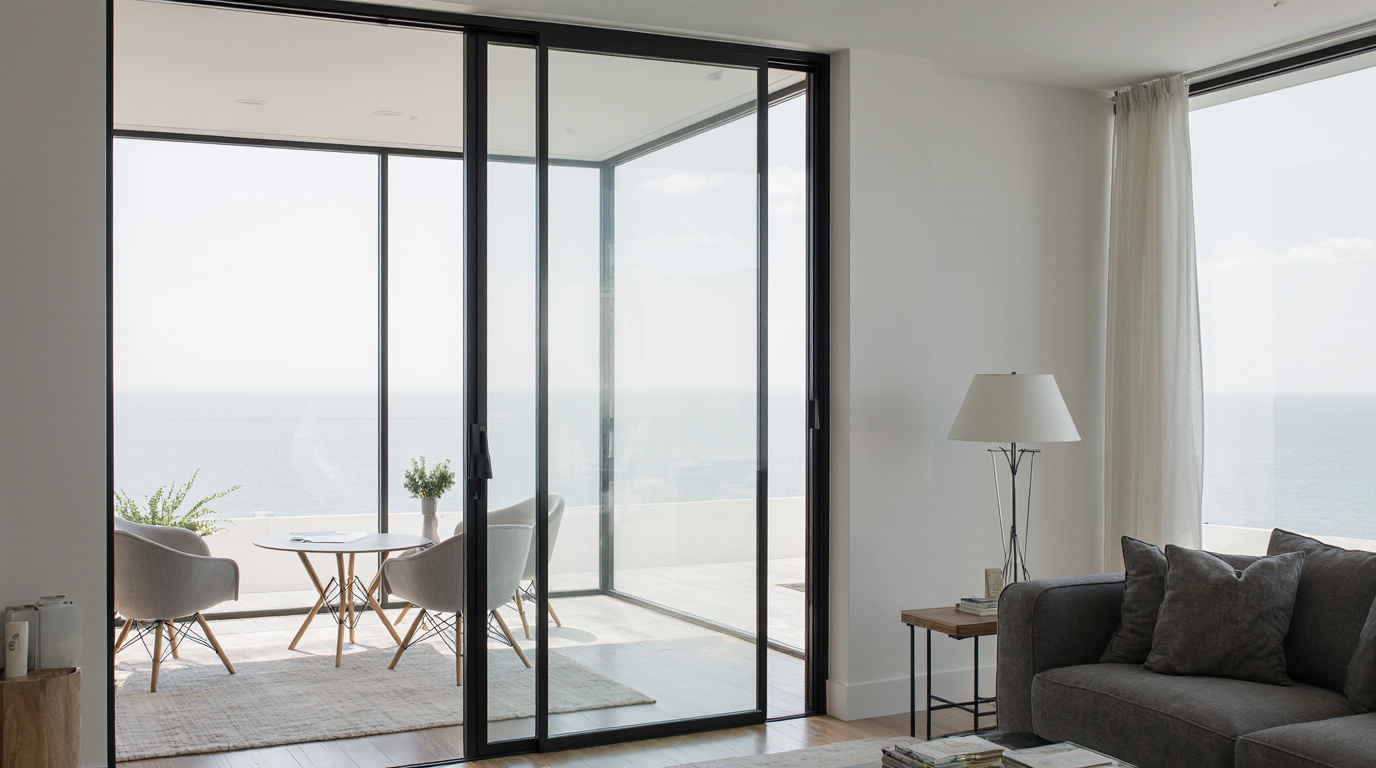
The final choice should also be guided by ease of use and practicality. If space is limited, a pocket or sliding door is ideal, whereas a hinged door may provide superior sound isolation, depending on the quality of its seals. In summary, a home office glass wall and door system delivers a unique combination of style, privacy, and light that solid walls cannot match, boosting both the room's functionality and aesthetic appeal.
Commercial Office Glass WallsCommercial office glass walls are a foundational element of modern corporate architecture, serving multiple functions beyond simple space division. They are designed to create a vibrant, collaborative, and professional atmosphere that reflects a forward-thinking business culture. The adoption of glass walls has been driven by the desire to maximize transparency, facilitate communication, and capitalize on the natural light available within a building's footprint.
In large commercial projects, the glass wall system must meet stringent safety and building code requirements, including fire ratings and impact resistance, which often necessitate the use of tempered or laminated safety glass. Durability and long-term maintenance are also critical factors, as these walls must withstand high traffic and continuous use, especially in public-facing areas like lobbies and main conference centers.
Integrating technology is a vital element to consider for commercial installations. To make walls functional components of the workplace, modern glass systems are often designed to integrate mounting points for whiteboards and screens, along with power outlets and data cabling. For collaborative areas and conference rooms where brainstorming and digital presentations are frequent, this level of integration is essential.
Moreover, the right commercial glass wall system can profoundly influence the experience of the staff. By providing visual connectivity, it encourages a sense of community and team cohesion. Customization features such as specific acoustic treatments, company branding, and built-in blinds enable companies to adapt the space to their precise requirements, guaranteeing a visually stunning, professional, and highly productive office.
Glass Wall Dividers for HomeGlazed partitions provide an elegant and practical solution for up-to-date housing aesthetics, giving occupants the ability to divide rooms without sacrificing natural light or spaciousness. As opposed to permanent barriers, these dividers maintain visual continuity, helping compact houses appear more spacious and bright. They are particularly effective in combined living spaces where a separation between cooking, eating, and relaxing zones is sought, offering structure while guaranteeing smooth movement.
The range of applications for glass screens can be integrated with many decorative themes. They can range from minimalist, clear panels that blend into the background to bold, bordered structures that act as a central design element. Options like obscured, patterned, or tinted glass add layers of intimacy and design sophistication, giving occupants control over the style and clarity based on their requirements. This flexibility establishes them as a key advantage in creating a custom and personalized interior environment.
More than just their appearance, glass wall dividers are instrumental in enhancing the spread of solar illumination throughout the home. Harnessing sunlight helps cut down on the necessity for electric illumination during daytime hours but also is known to boost psychological state and health. By allowing light to penetrate deeper into interior spaces, these dividers help create a brighter, more invigorating atmosphere, transforming previously dim or segmented areas into vibrant, usable spaces.
Fitting and maintaining these glass screens is quite simple. Contemporary designs typically incorporate rail systems that enable different arrangements, including sliding or folding panels, which provide versatility in the day-to-day utility of the area. Upkeep usually requires only regular glass cleaning products, making upkeep simple. When considering a glass divider, it is necessary to opt for toughened or shatterproof glazing for security and longevity, ensuring a long-lasting and robust addition to the home.
Glass Partition Walls for Home Near MeWhen searching for "Glass Partition Walls for Home Near Me", homeowners seek ease of access, trustworthy local expertise, and fast fitting. Selecting a nearby provider or fitter is essential as it simplifies the process of site measurement, design consultation, and post-installation support. Firms operating locally are usually more capable of delivering individualized attention and respond quickly to any issues that may arise, leading to a less troublesome overall renovation process.
A key benefit of using a local company is the ease with which one can book on-site planning sessions. Examining finishes, talking through particular room configuration problems, and obtaining exact sizing from the location are fundamental requirements in ensuring the final partition wall perfectly meets the home’s specifications. In the initial consultation, local experts can advise on the most suitable kind of glazing and structural components—such as lightweight metal, reinforced metal, or natural wood—that is appropriate for the property's build and the customer's desired look.
Moreover, regional fitting crews are generally well-acquainted with local construction regulations and stock levels, which can speed up the arrangement and authorization stage, should it be required. They can also offer insights into popular local design trends, assisting residents in choosing a divider look that improves their home's market worth and fits within the neighborhood's aesthetic. This localized expertise ensures the project is not just completed, but is also well-adapted to the local context.
For homeowners, securing a reliable contractor requires examining area feedback and reviewing galleries of prior jobs close by. This careful investigation confirms the standard of the work and the competence of the crew. Spending on premium, specialist-mounted glazed screens is a commitment to the future that notably boosts the use and commercial desirability of a domestic asset.
Living Room Glass Partition Walls for HomeThe living room, typically the heart of the dwelling, benefits immensely from the strategic integration of glass partition walls. These walls present a graceful method for gently sectioning the main communal room from neighboring areas, such as a quiet library corner, an official meal zone, or a compact workstation, while preserving a visually connected, social ambiance. This separation is highly beneficial for establishing flexible zones that accommodate the varied needs of a modern household.
Using glass partitions in the living room allows for control over sound and climate without totally cutting off one section from the rest. For instance, a sliding glass partition can be closed to reduce noise when viewing a movie or hosting company in a specific part of the room, yet conveniently pushed aside to optimize room for many people. This flexibility is a significant advantage over permanent solid walls, which restrict spontaneous changes in room use.
The design of a living room glass partition can be a major focal point. Options include streamlined, metal-framed screens (commonly referred to as the industrial look) that introduce a modern, geometric element, or entirely frameless designs that emphasize transparency and minimalist chic. The preference in glazing treatment, such as fluted or reeded glass, can also be employed to provide texture and partial obscurity, providing an element of seclusion and aesthetic appeal to the area.
In terms of spatial planning, a living room partition can cleverly define zones within a large room, giving each area a specific purpose and identity. It is important to consider the placement of furniture and the path of natural light when mapping out the screen's position. When executed thoughtfully, a glass partition wall converts one expansive lounge into a set of separate, but aesthetically linked, fashionable, and extremely practical zones.
Interior Glass Partition Walls for HomeInternal glazed dividing walls represent a contemporary building feature that promotes adaptability and luminosity within domestic environments. They serve as excellent alternatives to traditional walls, allowing residents to innovatively adjust their home's floor plan. These partitions are not limited to large open spaces; they are increasingly utilized in smaller homes and apartments to enhance the sense of depth and brightness, reducing the stuffy ambiance caused by inflexible, defined zones.
A major use for internal glazed dividers is the establishment of adaptable space configurations, such as turning a neglected area into a workout space or a small bedroom into a guest suite that can be visually closed off when needed. The use of innovative glazing, such as electrochromic smart glass that changes to solid color via a power source, gives a creative solution for moving instantaneously between an integrated feel and absolute sight blockage, giving superior mastery of the immediate surroundings.
The installation of an interior glass partition is typically less invasive and quicker than building a conventional wall, making it a popular choice for home renovations. Because they are usually not heavy and need minimal architectural alteration, they minimize construction mess and time. Moreover, glass partitions are inherently durable and easy to clean, acting as a simple-upkeep, permanent design feature for domestic spaces.
When selecting a glazed screen for inside the home, homeowners should consider the structural support and hardware. Durable track systems and robust borders are crucial for the easy use and resilience of panels that slide or pivot. By thoughtfully choosing the border shade and glazing material, these partitions can be seamlessly integrated into the existing decor, functioning as either a quiet component or a bold piece of usable design in the house's style statement.
Glass Wall and Door for Home OfficeIntegrating a glass wall and door is the ultimate solution for defining a focused study area that is structurally distinct but transparently joined to the main living space. This design approach addresses the common challenge of working from home—the need for a quiet, focused environment that doesn't feel isolated or cut off from the rest of the household. The transparent screen efficiently lessens surrounding chatter, facilitating deep concentration during virtual conferences or intensive projects.
The uninterrupted view offered by the glass enclosure is possibly its top upside. It permits daylight from adjacent openings to fill the workspace, creating a cheerful and stimulating workspace that is proven to boost productivity and reduce eye strain. Moreover, for residents with children, the glass provides an unobstructed view into the neighboring communal space, offering reassurance without interrupting the work process.
Planning the layout for a work-from-home glass structure typically centers on finding the correct mix of visibility and seclusion. A frequent approach is employing transparent panes for the primary wall areas to optimize illumination, combined with an opaque or textured base section (a 'modesty panel') for seclusion around the working height. Hinged or roll-away glazed entrances finish the section, providing simple entry and a sophisticated, corporate appearance that elevates the entire office aesthetic.
Putting capital into a premium glazed wall and door setup for a study is more than just improving ease of use; it is an improvement in the property's complete usability and financial appeal. A well-designed office space, visibly marked off by a fashionable glass screen, indicates a dedication to a corporate-standard setting. This structural separation ensures that work stays contained and distinct from personal life, improving the work-life balance within the home.