Internal Doors With Glass
Internal Glass Doors for Modern Living Spaces: Sophistication, Functionality, and Enduring Charm
Whenever considering how to redefine a home or office, few design components bring as much refinement and adaptability as modern interior doors with glass. These doorways go beyond being basic separators; they evolve into structural features that merge everyday efficiency with aesthetic flair. By embedding crystalline inserts into their framework, they allow natural daylight to circulate freely, illuminating rooms while still maintaining a sense of division. Homeowners and architects often turn to this solution when exploring ways to make interiors appear more expansive, harmoniously flowing, and strikingly contemporary.
A standout feature of internal glass doors is their ability to amplify the perception of space. In flats, compact homes, or tight workspaces, opaque walls and conventional frames can create a claustrophobic effect. Glass surfaces, on the other hand, introduce visual clarity that broadens visual continuity and creates rooms that feel noticeably larger. Instead of relying solely on synthetic lighting, these glass features increase the diffusion of daylight, which encourages energy efficiency and enhances a balanced living atmosphere.
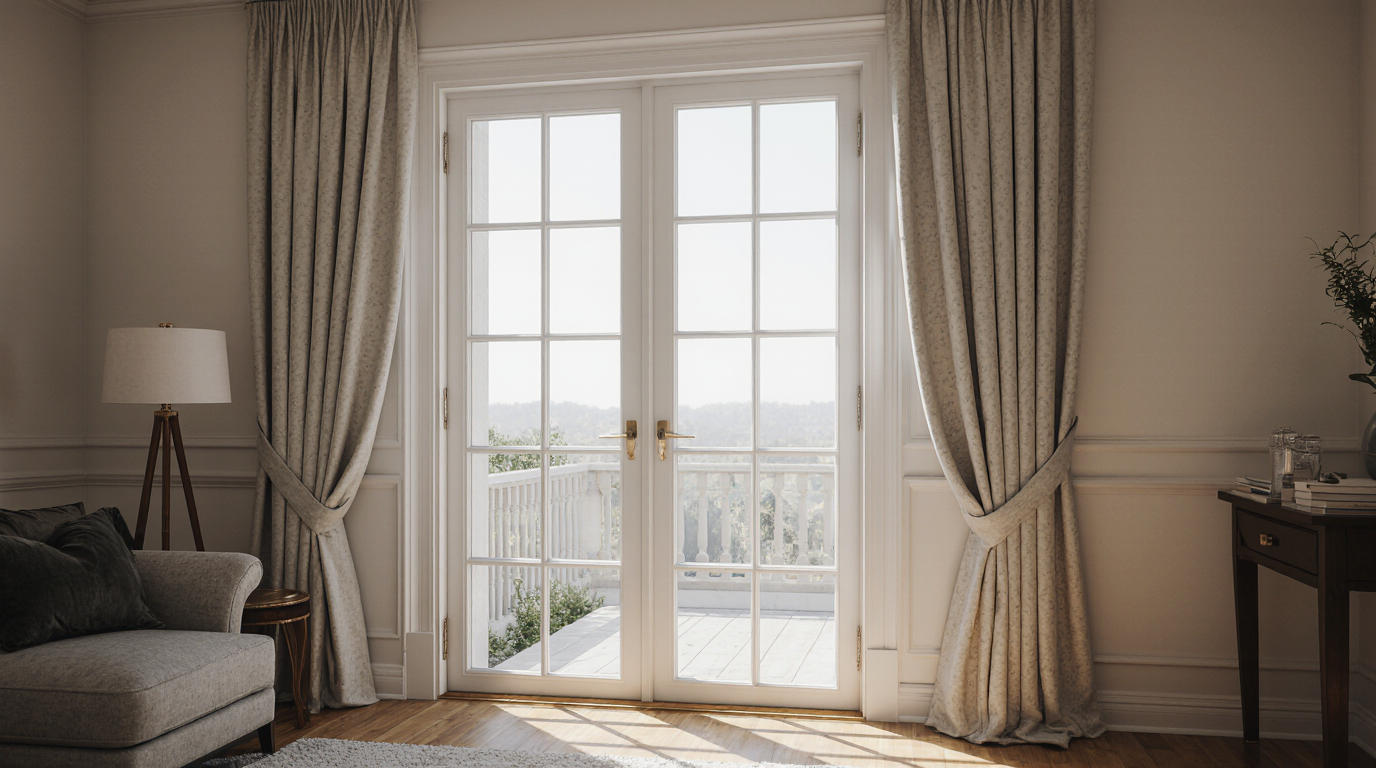
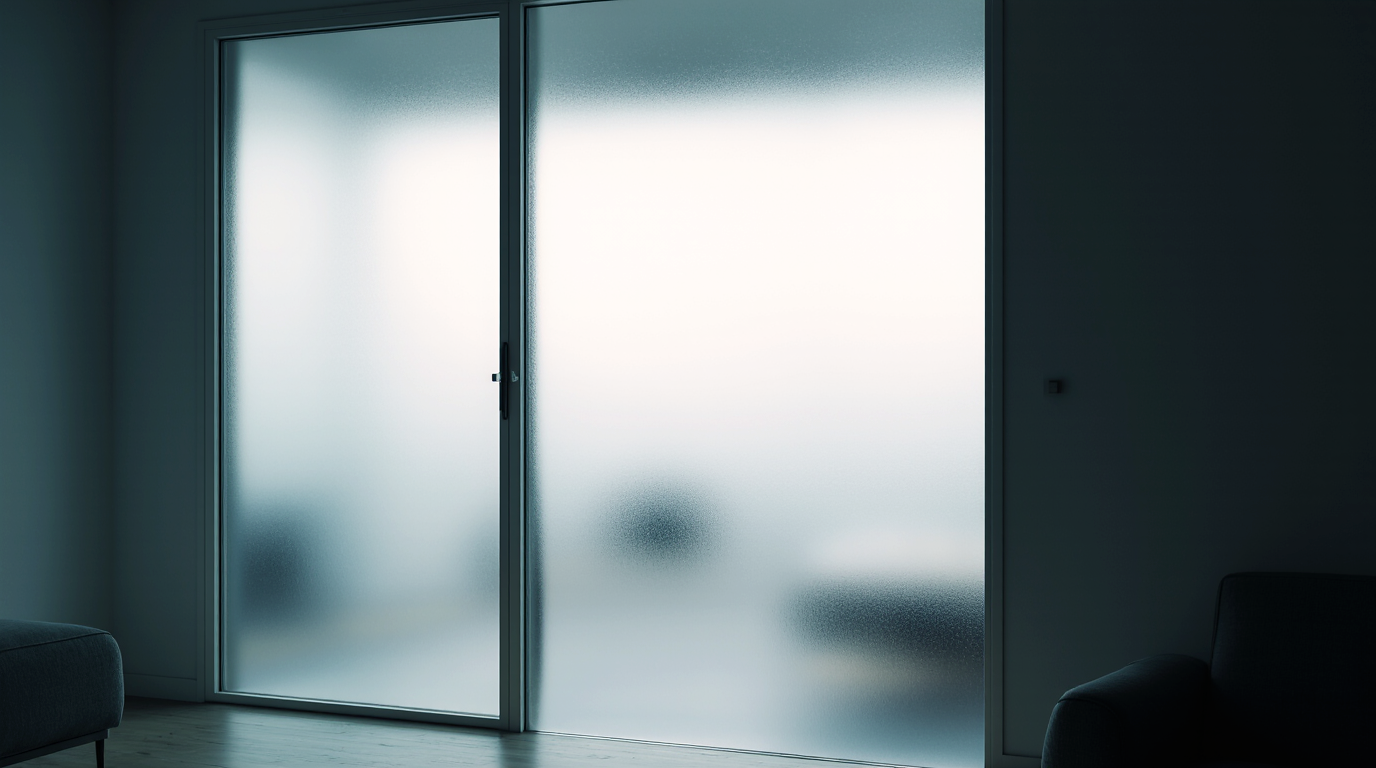
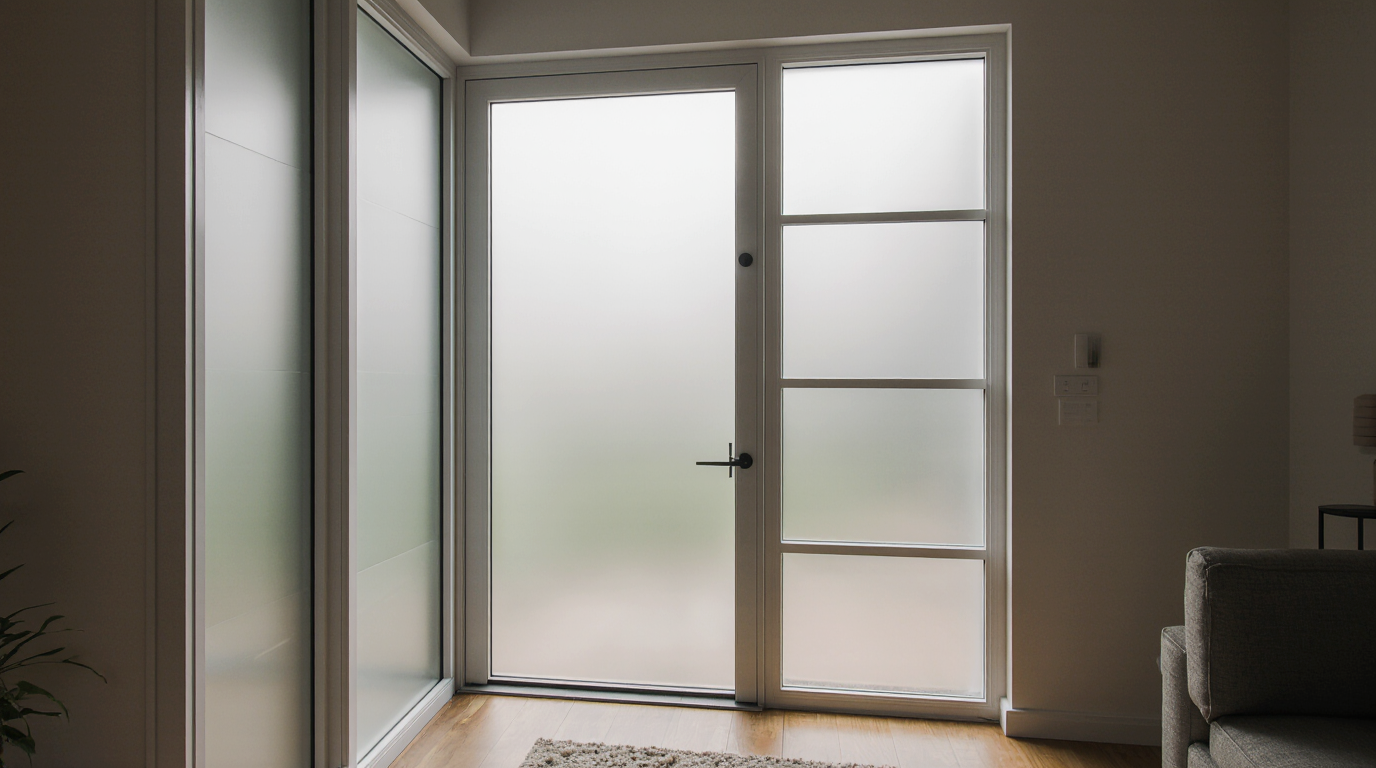
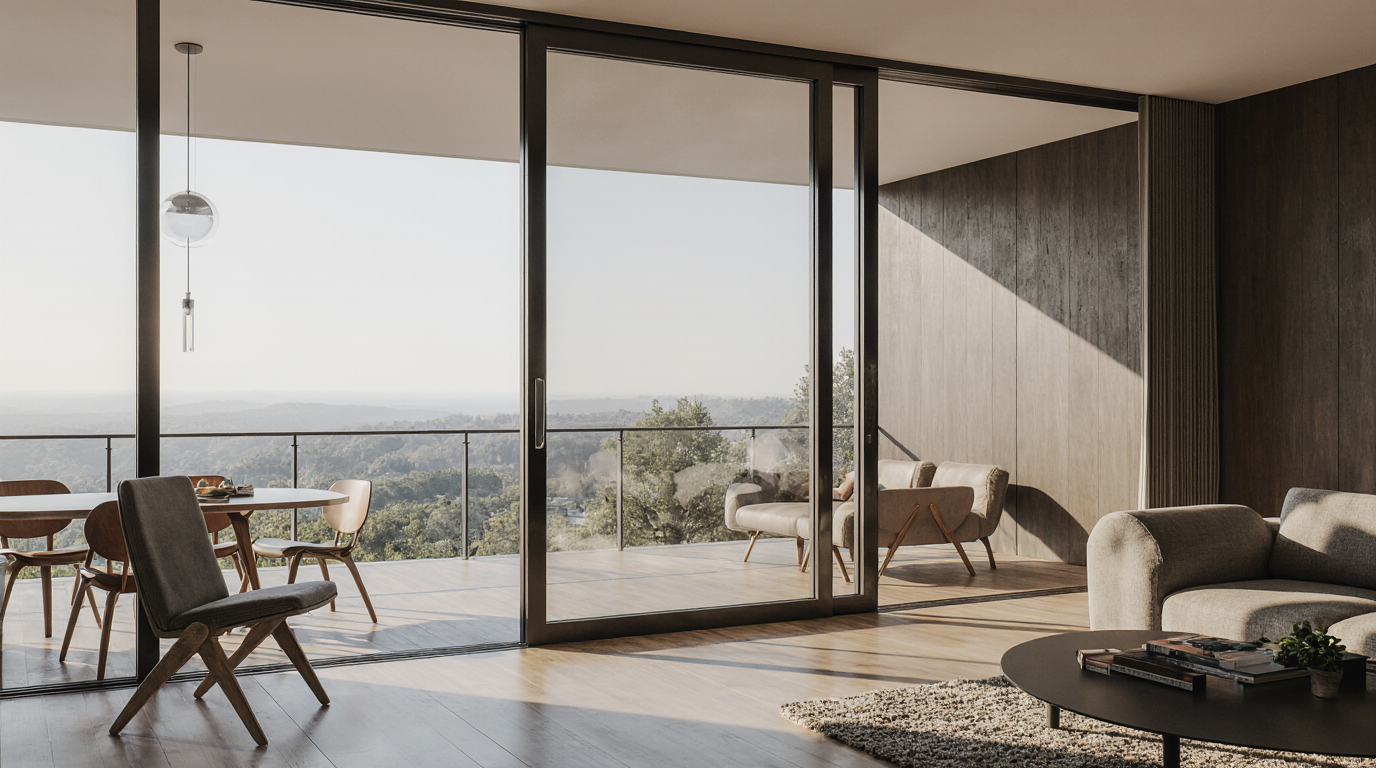
A major advantage for many is the range of stylistic options that glass-based doors make available. From contemporary pane-free doors to heritage-inspired frames with elegant insets, the possibilities are varied enough to match nearly every architectural vision. Opaque glazing provides confidentiality while still allowing brightness, and shaded glazing introduces a subtle elegance. Sliding systems, panoramic French panels, and accordion-like structures extend the creative landscape, ensuring that functionality and decorative expression are always harmonized.
Structural resilience and protective assurance remain essential concerns when selecting glass-based installations, and modern material innovations have made them remarkably safe. Heat-strengthened glazing and laminated glass are widely used because they are engineered to resist accidental shocks more efficiently than conventional glass, delivering peace of mind for busy households. In addition to security, superior build quality ensures that these units resist surface damage, smudges, and everyday wear, which makes them a wise purchase.
Another crucial factor is the function of internal glass doors in sound management. While they may not deliver the absolute quiet as robust timber constructions, many models now feature acoustic glass that lessens noise transfer. This combination between openness and privacy makes them suitable for professional corners, reading rooms, or even meeting rooms in professional spaces.
Architects also appreciate the flexibility of internal glass doors in both residential and corporate settings. In shared professional layouts, they offer separation without eliminating visibility, thus fostering teamwork while still preserving spatial zones. In residences, they integrate seamlessly between family areas and dining zones, or between suites and dressing areas, adding refinement while ensuring daily function. Their versatility means they enhance nearly any interior ambiance.
Care is another category where glass interior doors excel. Unlike timber-based doors that may need revarnishing or restoration, glass are usually effortless to clean with common solutions. This time-saving characteristic draws in property managers who desire long-term elegance without demanding chores. Updated accessories, such as frictionless pivots and ergonomic pulls, pair with the low-demand nature these fixtures require.
Sustainability is guiding more design decisions every year, and internal glass doors resonate with these sustainable priorities. Since they enhance natural light diffusion, they minimize reliance on artificial lighting, thus cutting energy use. Many manufacturers also procure components from ethical sources, while the resilience of glass lowers the frequency of replacement. Choosing these designs is not merely aesthetic but sustainability-driven.
From an aesthetic standpoint, glass interior doors refine interiors in a manner rarely achieved by other elements. They create a balance of clarity and sophistication, allowing interior details, surfaces, and paint choices to stand out. As delicate yet striking design highlights, they shape interiors to feel more curated. Many stylists use them as centerpieces that set the tone for contemporary lifestyles.
The enduring benefit of glass-integrated designs lies in their ability to enhance market interest. Homes and workspaces that feature open spatial designs tend to attract more prospective buyers from tenants. The experience of spaciousness, combined with the sleek aesthetic of glass, can elevate both investment potential and daily enjoyment. This makes them a practical decision that fuses aesthetic appeal with functional qualities.
For anyone exploring ways to refresh their interior, internal glass doors represent an ideal choice. They merge classic sophistication with contemporary engineering, offering assurance, visual appeal, and a brighter ambiance. Whether the aim is to upgrade a family home, improve an corporate setting, or integrate a decorative focal point, these doors provide outcomes that combine sophistication with day-to-day use. Their growing relevance in shaping contemporary spaces demonstrates that transparent design is not only a tool of openness, but a catalyst of aesthetic evolution and permanent charm.