Interior Sliding Glass Doors Room Dividers
 Glass Sliding Doors and Indoor Room Partitions
Sliding glass doors as well as glass room dividers revolutionize the perception of indoor spaces, merging practicality, style, and spatial fluidity which conventional walls cannot achieve. These elements are more than just practical installations; they represent a visual signature altering both the aesthetic and spatial dynamics. Knowing the types of glass, finishes, and installation options helps unlock their full potential.
Sliding glass doors offer their ability to seamlessly connect indoor and outdoor environments. Unlike conventional hinged doors, sliding mechanisms allow for smooth operation without occupying additional floor space. Ideal for apartments, compact offices, and rooms where maximizing area is crucial. They combine practicality with a strong visual impact of a space by introducing natural light, creating an airy, expansive feel, and visually enlarging interiors. Modern sliding doors are often constructed with tempered or laminated glass, providing strength, durability, and safety. Temperated glass is especially resistant to impact and, in the rare event of breakage, shatters into small, blunt pieces rather than sharp shards, minimizing the risk of injury. Laminated options add noise reduction, UV defense, and reinforced safety.
Sliding doors can be customized endlessly. Frameless designs enhance light flow and visual clarity, providing structure while complementing architectural lines. Customization extends to finishes, tints, and patterns etched or frosted onto the glass surface. Patterned surfaces allow visual separation while maintaining brightness. Hardware also plays a crucial role, from smooth-rolling tracks to high-quality handles and locks, ensuring both longevity and ease of use.
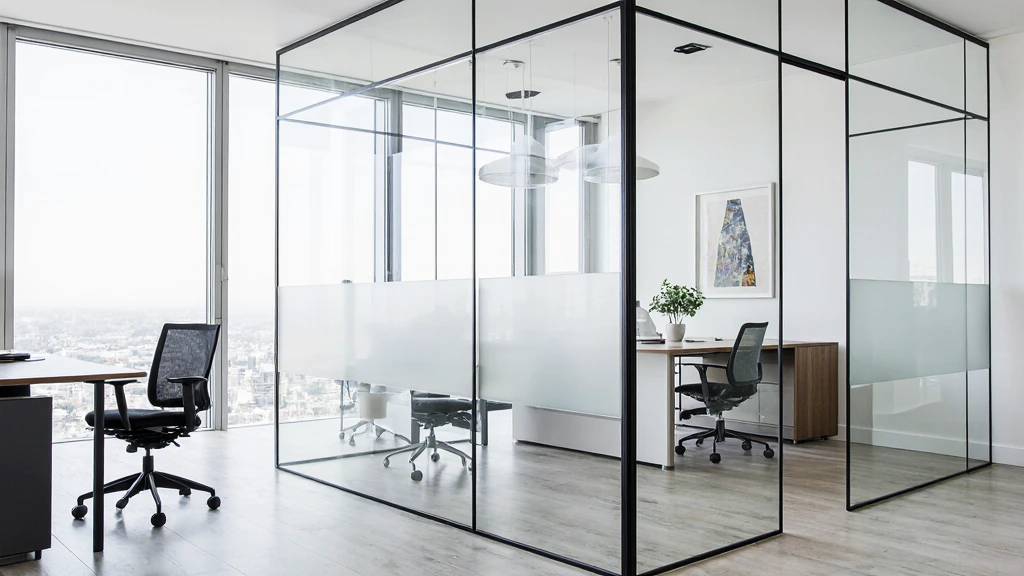
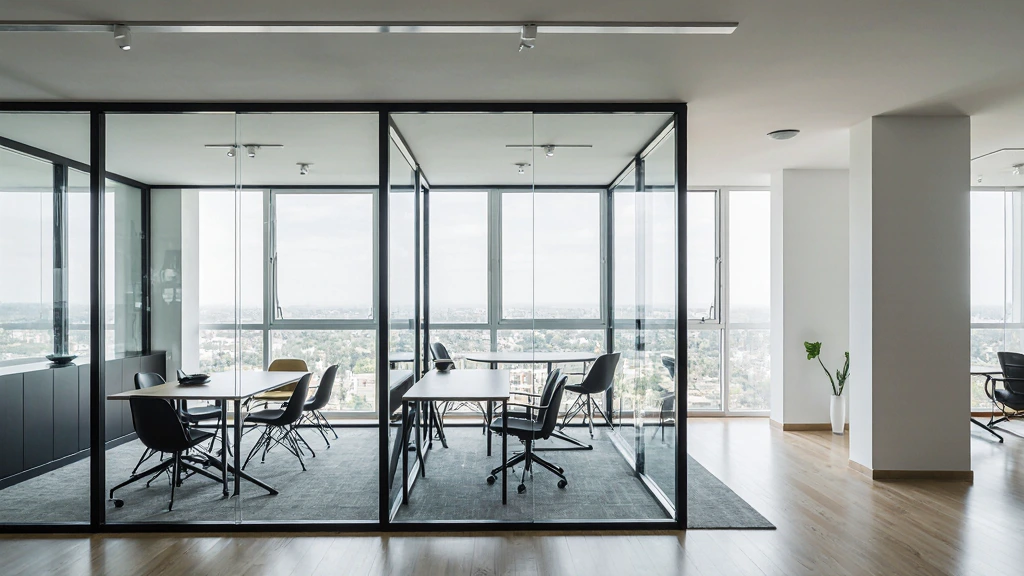
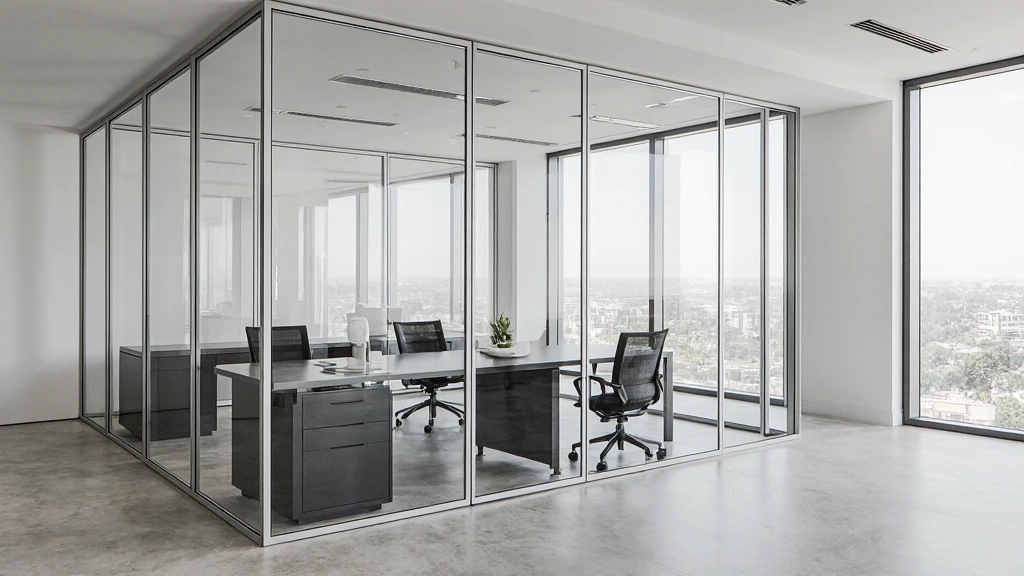
Indoor glass panels share many of the same benefits as sliding doors but are primarily focused on redefining the internal layout of a space. They visually separate spaces without creating a closed feeling. Ideal for lofts, collaborative offices, and homes seeking airy layouts. Glass partitions provide functional zones while maintaining spatial unity.
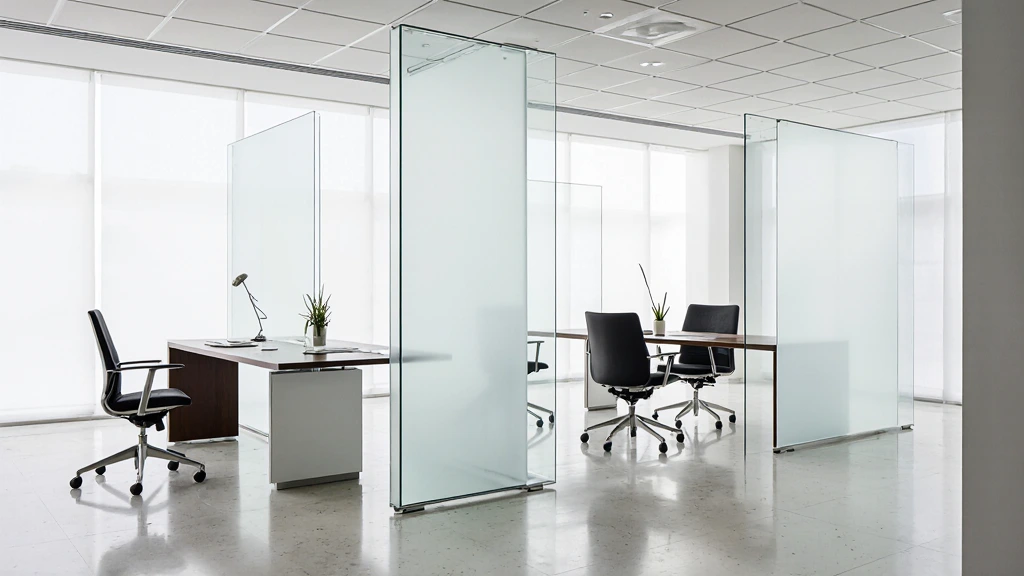
Material choice, texture, and color impact both function and aesthetic. Full transparency maximizes natural light and visual connectivity. Semi-opaque finishes combine discretion with illumination. Tinted glass reduces glare and heat, improving energy efficiency and comfort. Decorative effects transform dividers into focal points. Proper installation ensures durability, resistance, and safety.
High-quality glass supports green building goals. Glass helps maintain consistent indoor temperatures. Advanced coatings maximize efficiency while preserving daylight. Energy-conscious design benefits both homes and offices.
Acoustic control and visual openness coexist with glass installations. Laminated and double-glass panels can reduce sound transmission, creating quieter, more focused work environments. This is especially valuable in open-plan offices where collaboration must coexist with concentration. Clear partitions keep space airy while controlling sound.
Cleaning and upkeep are simple yet important. Durable surfaces preserve shine with minimal effort. Tracks and handles benefit from occasional maintenance for optimal function. Their timeless elegance ensures they remain a relevant design choice for years, often outlasting trends that favor temporary or less versatile materials.
They shape both function and ambiance. Glass encourages psychological benefits through openness and light. Glass features create welcoming, luminous, and airy interiors. Glass merges structural hierarchy with aesthetic vision.
Safety considerations reinforce the appeal of modern glass. Glass solutions balance elegance with protection. Risk of injury is minimized through engineered glass panels. Designers rely on glass for safe, versatile installations.
Glass transforms interiors through functionality, style, and light. They merge elegance, light, and openness with practical benefits like space efficiency, sound insulation, and energy savings. Customization ensures performance, longevity, and visual delight. Glass functions as both medium and message in design.
Innovations in glass design improve energy, maintenance, and interactivity. Glass stays central in modern, adaptive, and eco-conscious interiors.
Sliding doors and dividers provide practical beauty, safety, and style for contemporary spaces.