Glass Shower Doors Tampa
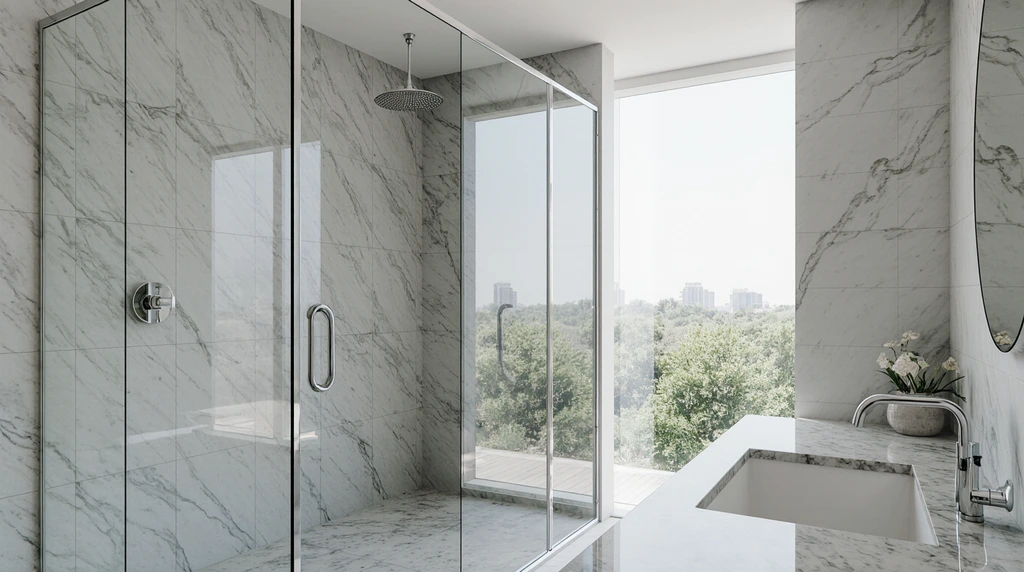
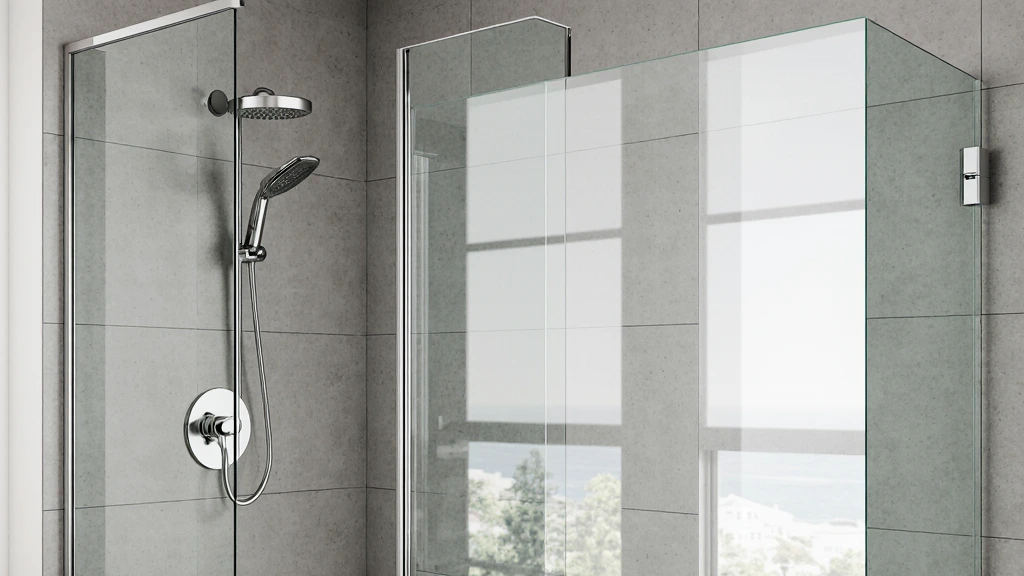
Transforming your personal spa into a modern and serene haven begins with the installation of glass shower doors. In Tampa, Florida, design enthusiasts are increasingly turning to this contemporary solution to transform both aesthetics and function. Unlike conventional shower curtains, tempered glass doors provide a streamlined and luminous design that enhances natural light and adds depth to smaller bathrooms. They also contribute a feeling of high-end design, elevating an everyday bath area into a masterpiece of modern style.
Transforming your personal spa into a modern and serene haven begins with the installation of glass shower doors. In Tampa, Florida, design enthusiasts are increasingly turning to this contemporary solution to transform both aesthetics and function. Unlike conventional shower curtains, tempered glass doors provide a streamlined and luminous design that enhances natural light and adds depth to smaller bathrooms. They also contribute a feeling of high-end design, elevating an everyday bath area into a masterpiece of modern style.
Investing in custom glass shower doors in the Tampa region offers flexibility to match your exact vision to your needs—from frameless models that highlight sleek lines and contemporary beauty to structured framed configurations that blend structure with elegance. High-quality tempered safety glass ensures resistance to impact and wear, standing up to moisture and heat. Expert craftsmanship is key to achieving watertight precision, making the guidance of a certified installer essential.
Beyond visual design, glass shower doors offer everyday conveniences like simple care and enhanced sanitation. With cutting-edge finishes that prevent streaks and mineral buildup, the surface stays sparkling with little work. Local property owners embrace the fusion of design, durability, and comfort that glass doors bring to their interior spaces, making them a premium improvement that enhances property value and personal comfort. Each design becomes an act of refined craftsmanship, bringing everyday luxury within reach.
Half Glass Shower Door for Bathtub
A half-height glass shower door, often called a bath screen, offers a refined, updated replacement to the traditional shower curtain over a bathtub. This design choice strikes a perfect balance, providing adequate water containment for the shower area while maintaining an unobstructed, bright atmosphere in the rest of the bathroom. Unlike full enclosures, the reduced height of these doors improves ease of access, particularly beneficial for children, the elderly, or those requiring assisted showering, as it allows for easy reach over the top. Furthermore, it allows natural light to flow more freely, making the entire space appear larger and brighter. Installation typically involves a one stationary panel or a minor hinged door, often made of sturdy heat-treated glass. While they effectively minimize splashing, careful consideration of the shower head's position is key to prevent excessive water escape over the top edge. For homeowners seeking a blend of convenience, style, and a perception of increased space in a bathroom with a tub-shower combination, the half glass door is a practical and visually appealing choice.
Black Framed Shower Doors
Black framed shower doors, particularly those featuring a grid-style pattern reminiscent of Crittall or industrial design, have emerged as a dominant trend in current interior design. This bold choice acts as a strong design feature, grounding the design and providing a striking contrast, especially in bathrooms utilizing a simple or black-and-white color scheme. The defined lines of the black frame sharply contrast large format white tiles or light-colored natural stone, lending an immediate sense of elegance and definition. Beyond their visual impact, the framing provides strong stability, making installation potentially easier and sometimes more cost-effective than their frameless counterparts. The strong, dark lines help to accentuate the clean geometry of the shower space, transforming a utilitarian fixture into a clear design centerpiece. When styling with black framed doors, it is best to use black sparingly in other elements, perhaps limited to a few matching accessories or brassware, ensuring the shower enclosure remains the main decorative feature.
Frameless Pivot Shower Door
The frameless pivot shower door represents the zenith of minimalist bathroom design, prioritizing an continuous line of transparency and brightness. Defined by its lack of bulky metal framing, the door operates using sophisticated pivot hinges, often fixed to the top and bottom of the opening or to an adjacent wall panel. This mechanism allows the door to swing smoothly, typically outward, or sometimes in either direction, depending on the hardware and the bathroom layout. The visual effect of a thick, transparent sheet of tempered glass creates a stunning illusion of expanded space, allowing the intricate details of the shower tilework to be showcased without obstruction. For a successful installation, precision in measurement is paramount, and the surrounding walls must be strong enough to support the weight of the heavy glass panel and its minimal hardware. While offering a premium, relaxing atmosphere, homeowners should ensure adequate clearance for the door's swing and consider using protective glass treatments to simplify the necessary cleaning of a large, clear glass surface.
Corner Shower Glass
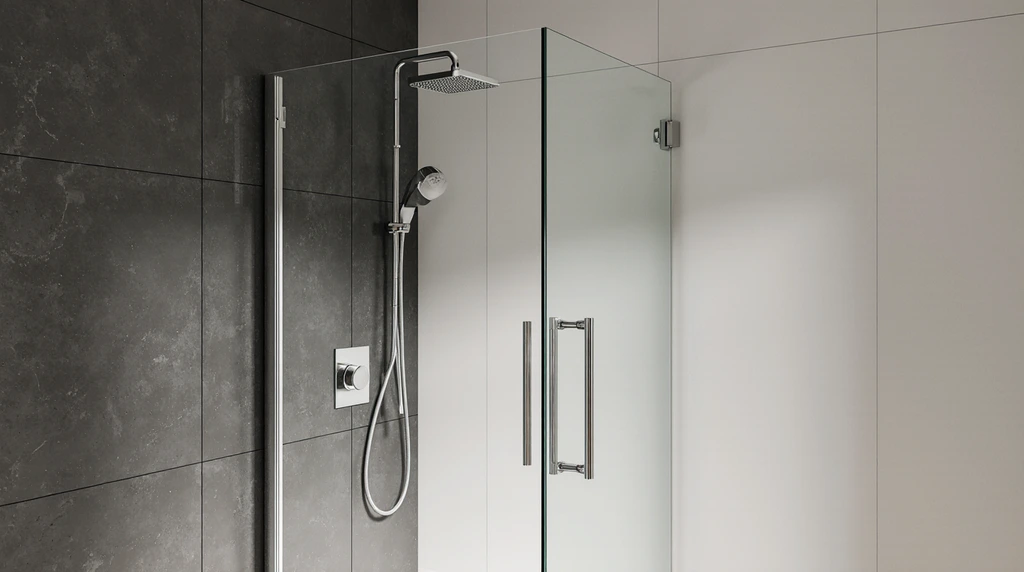
Optimizing space in smaller or irregularly shaped bathrooms often leads to the selection of a corner shower enclosure, defined by the strategic use of glass to create a functional and contained showering area. Corner glass typically involves a multi-panel glass setup, often utilizing an geometric or standard base shape. The glass panels, whether part of a framed, semi-frameless, or frameless system, are crucial for maximizing light dispersion within the space, preventing the corner area from feeling claustrophobic. A key consideration for corner installations is the door style. Pivot or hinged doors require clearance, whereas a glide or tracked system is generally better for tight corners as it saves floor space. The glass used must be precisely measured and cut to account for walls that may not be perfectly plumb, a common issue in corner setups. Properly sealed corner glass not only contains water but, when clear, visually extends the lines of the bathroom floor and wall tiles, enhancing the overall sense of openness.
Sliding Shower Doors Replacement
Replacing old or worn sliding shower doors is a pragmatic upgrade that immediately improves both the functionality and aesthetic of a bathroom, especially in tub-shower combinations or alcove showers where space is limited. Sliding doors, also known as bypass doors, are inherently space-saving as they operate on parallel tracks and do not require external swing clearance. When selecting a replacement, homeowners face a choice between fully framed, partially framed, or the modern top-mounted rolling design, which uses minimal top-mounted hardware for a cleaner look. A significant area of improvement in modern replacements is the track design. Older models often featured deep bottom tracks that were notorious for collecting soap scum and mildew; newer designs often feature minimalist tracks or smooth-gliding roller mechanisms. Accurate measurement of the width and height of the existing opening is critical for a smooth replacement process, ensuring a secure and watertight fit that restores the shower's functionality and visual appeal.
Frameless Tub Shower Door
The frameless tub shower door elevates the standard tub-shower combination from a simple utility space to an area of refined design. By eliminating the perimeter metal frame, the thick, tempered glass panel creates a seamless, clear division that highlights the bathroom's interior finishes, such as the tile work and fixtures, rather than the enclosure itself. This design is particularly effective in making smaller bathrooms feel significantly larger and brighter, as the absence of a frame allows the eye to travel across the space unobstructed. Common configurations for a frameless tub door include single swinging panels or a bypass sliding system for wider openings. Due to the weight of the heavier glass used, professional installation is often recommended to ensure the hinges and mounting clips are securely fixed into the wall studs. While offering a luxury aesthetic, maintaining the clear, frameless glass requires diligent use of a squeegee and gentle cleaners to prevent water spots, preserving its pristine, high-end appearance.
Small Shower Door
Selecting the right door for a small shower space is a critical design decision that impacts both functionality and the perception of the bathroom’s size. In compact layouts, traditional swinging doors can be impractical, as they require significant clearance into the bathroom space. For this reason, homeowners with small showers often turn to space-saving solutions. Sliding doors or bypass systems are excellent options, as they operate within their own footprint. Alternatively, a bi-fold door, which folds inward, or a neo-angle enclosure, which features three glass panels forming a corner, can maximize a tight space. However, even a single, clear glass panel (often called a shower screen) can suffice if the shower head is positioned correctly to minimize spray, offering the most minimal visual footprint and creating the illusion of an open, walk-in design, even in a very restricted area. The goal is to maximize the entry point while ensuring the door contributes to, rather than overwhelms the compact room’s layout.
Tempered Glass Shower Door
Tempered glass is the accepted norm and necessary regulation for all modern shower door installations, primarily due to its superior safety properties. This type of glass undergoes a controlled thermal or chemical process to increase its strength compared to regular annealed glass. Crucially, if tempered glass is subjected to impact strong enough to cause breakage, it shatters into thousands of small, relatively dull, cube-like pieces, rather than sharp, jagged shards, significantly reducing the risk of serious injury. Available in various thicknesses, typically $\frac38$-inch or $\frac12$-inch for frameless applications, the thickness contributes to the door’s structural integrity and the sturdy, premium quality of the enclosure. Beyond safety, tempered glass is highly durable and resistant to temperature fluctuations and common wear. When purchasing, look for a permanent stamp or etching, often in a corner, indicating the glass meets safety standards, providing peace of mind and compliance for your bathroom renovation.
Bathtub Shower Doors Frameless
Frameless shower doors installed over a bathtub provide a premium, minimalist look for the common bath-shower unit. Unlike their framed counterparts, which can sometimes appear bulky and dated, the frameless design uses thicker, self-supporting tempered glass held in place by minimal hardware, such as wall clamps and hinges. This allows the tub surround's tile and design elements to be the primary decorative element. Common configurations include a fixed screen for a contemporary style, a pivot door, or a frameless sliding "barn door" style for wider openings. The challenge with any frameless application is water retention; while seals are used, a frameless enclosure is not designed to be perfectly watertight like a framed unit. Therefore, proper slope on the tub deck and mindful showering are necessary to prevent minor leakage. Choosing clear glass further enhances the frameless effect, making the entire bathroom feel visually expansive and contributing to a refined, relaxing ambiance.
Shower Doors for Walk-In Showers
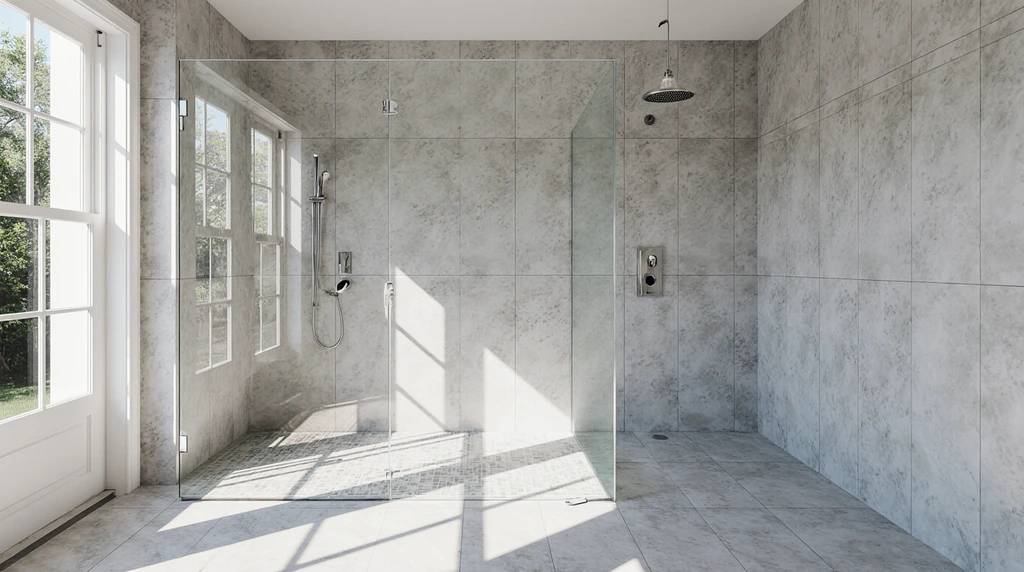
The term "walk-in shower" typically refers to an enclosure that features a low or no threshold, offering barrier-free access, and often utilizing a simple glass screen rather than a fully sealed door system. However, for a fully enclosed walk-in shower—essential for holding in heat or securing water better—a specific shower door is required. Given the expansive openings often found in walk-in designs, options include wide sliding or bypass doors, or an "inline" configuration where a pivot door is flanked by one or two fixed glass panels. The choice of glass is pivotal; clear, low-iron tempered glass is preferred to maintain the open feel and showcase luxury tilework. Because walk-in showers are frequently larger, the doors and surrounding panels often require custom sizing and heavier-duty hardware to manage the scale and weight. The successful integration of a door into a walk-in shower is about achieving a balance: maintaining the accessibility and expansive feel of the design while ensuring practical water retention and safety.
Glass Block Shower
A glass block shower is a distinctive architectural feature that blends functional water containment with a unique level of diffused light and privacy. Instead of large, monolithic panes of glass, this enclosure is constructed from individual, thick glass bricks cemented together with mortar or specialized vinyl spacers. The inherent translucency of the blocks allows ample light to pass into the shower while veiling the person inside, offering a high degree of privacy without resorting to frosted coatings. This material is particularly durable and does not require a frame. Design flexibility is a key advantage, as the blocks can be assembled into straight, curved, or serpentine walls, creating a sculptural presence in the bathroom. However, a glass block wall cannot be cut or adjusted on site, requiring precise pre-planning, especially concerning the size of the shower pan or base to ensure a seamless fit with the pre-determined dimensions of the block pattern.
Affordable Shower Doors
Achieving an updated look without overspending requires a strategic approach when selecting an affordable shower door. The most budget-friendly options typically fall into the framed or semi-frameless categories, which utilize less expensive, thinner tempered glass (often $6 \text mm$ or $\frac14$-inch) supported by full aluminum frames. These frames minimize the need for heavy-duty, custom hardware, keeping material and labor costs down. Standard-size sliding or bypass doors are generally more economical than custom-cut hinged or frameless systems. To maximize the value of an affordable door, consider its finish—polished chrome is often the standard and most economical option. While you might sacrifice the heavy, luxury feel of a frameless enclosure, a well-chosen framed door in a clean, contemporary finish can still significantly upgrade the washroom's look over a curtain. Focusing on a door with minimal bottom tracking will also make maintenance easier, adding long-term value to the budget-conscious choice.
Bypass Shower Doors
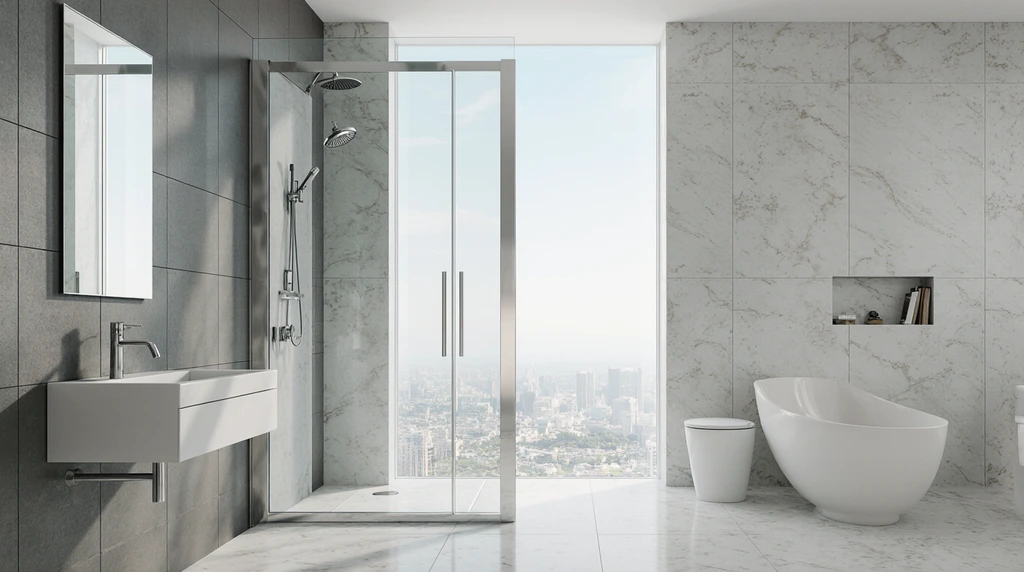
Bypass shower doors, a common variant of sliding doors, are an exceptionally practical solution for bath-shower units and broad recessed areas where exterior swing space is limited. The system consists of two panels, both of which are operable and slide past each other along parallel top and bottom tracks. This allows entry and exit from either the left or right side of the shower, offering a high degree of versatility. The design is inherently space-saving since no door swings out into the room. Traditionally, bypass doors are framed or semi-frameless, which contributes to water tightness due to the surrounding metal tracks and seals. Modern, high-end bypass systems now feature a "rolling" design with exposed rollers and minimal bottom tracks, offering a minimalist appearance while retaining the space-saving functionality. For wide openings, the double-sliding nature of a bypass door ensures a generous entry opening, making it an excellent functional choice for a family bathroom.
Bathroom Glass Panel
A fixed bathroom glass panel, often called a shower screen, is the simplest and most minimalist form of shower enclosure, embodying the core of the walk-in shower concept. Unlike a door, this panel is stationary, secured to the wall and floor with minimal hardware like U-channels or clips. Its primary function is to contain the majority of water spray from a strategically positioned shower head while providing a completely open entrance. By eliminating moving parts, a fixed panel minimizes hardware and maintenance, offering a clean, unobstructed visual line that dramatically enhances the feeling of space in any bathroom. The glass is typically thick, tempered, and frameless, contributing to a premium, modern look. This solution works best in spacious shower zones or washrooms with good airflow and the floor drain is designed to manage any minimal splashing that bypasses the screen.
Cost of Glass Shower Doors
The cost of glass shower doors can vary dramatically, hinging on three main factors: style, size, and glass type. At the lower end, standard framed, sliding doors for a bathtub can range from $\$300$ to $\$800$ for the materials alone, utilizing thinner glass and prefabricated sizes. Moving up, a semi-frameless hinged door typically falls between $\$800$ and $\$1,500$. The most significant price jump occurs with a frameless enclosure, which requires sturdier, premium safety glass ($3/8$-inch or $\frac12$-inch) and specialized, custom-fitted hardware, often ranging from $\$1,500$ to upwards of $\$3,000$, and even more for custom neo-angle or multi-panel designs. Labor costs for professional installation add to the total, averaging a few hundred dollars. Customization, such as extra-clear glass, unique fixture colors, or protective glass coatings, will further elevate the price, making careful budgeting and measurement critical before finalizing the selection.
Frosted Shower Glass
Frosted shower glass provides an excellent solution for homeowners who desire the sleek, contemporary appearance while requiring a high level of privacy. Achieved through acid etching or sandblasting the glass surface, or by applying a specialized film, the opaque finish effectively diffuses light and obscures the view inside the shower, making it an ideal choice for shared bathrooms or those with windows. Beyond privacy, frosted glass offers a practical advantage: the textured surface is highly effective at hiding common water spots, fingerprints, and soap scum, significantly reducing the visual impact of daily wear and tear and simplifying routine cleaning. The diffused light creates a soft, even glow within the shower space. While a full clear door showcases intricate tilework, a frosted panel can be used as a deliberate design element, adding depth and a refined visual intrigue to the overall bathroom design.
Walk In Shower Glass Door
While many "walk-in showers" utilize a simple, fixed glass panel without a door for barrier-free access, a true walk-in shower often requires an actual glass door for full enclosure, especially to retain heat or to accommodate a steam shower setup. The glass door for a walk-in typically spans a wider opening than a standard shower, often necessitating a sliding or bypass system, or an inline hinged door paired with a large fixed panel. Because walk-ins offer expansive views, the choice of a frameless design is paramount to maintain the open, uninterrupted aesthetic. The door's hardware, such as smooth-gliding rollers or heavy-duty hinges, must be of high quality to support the larger and heavier glass panels. Accessibility is a key design consideration; the door should offer a wide, low-threshold entry to preserve the walk-in's core function of easy and unencumbered movement into the shower space.
Bathtub Sliding Door
A bathtub sliding door is a very functional and area-saving choice for the common bath-shower combination. Operating on horizontal top and bottom tracks, the glass panels slide past one another, eliminating the need for any swing clearance into the bathroom, which is a significant advantage in compact spaces. Modern bathtub sliding doors, often bypass systems, have significantly improved upon older designs by incorporating sleeker profiles and reducing the base channel size, which was historically prone to collecting dirt and mildew. Available in fully framed, partially framed, and the modern top-hung rolling look, they offer aesthetic versatility. The durable tempered glass provides a more permanent and sophisticated barrier against water than a fabric curtain, instantly upgrading the look and function of the tub area. When selecting, prioritize smooth-gliding rollers and an easy-to-clean track to ensure long-term functionality.
Glass for Shower Half Wall
Integrating a glass panel atop a pony wall, or shower half wall, is a popular design strategy that maximizes light and openness while still providing a practical water shield and an enclosed feel. The half wall, typically constructed to $36 \text to 48 \text inches$ high, offers an ideal surface for plumbing fixtures or niche storage, while the glass panel extends the wall upward to a desired height. This glass is usually custom-cut, heavy, and frameless, secured to the top of the pony wall and the adjacent full wall with metal clips or a U-channel. This design prevents water splash-out while allowing natural light from outside the shower to pour in, visually connecting the shower space with the rest of the bathroom. The half wall itself provides a measure of structural stability for the glass and can be a more affordable option to a full, continuous glass enclosure, offering a refined, modern look with enhanced light diffusion.
Glass Shower Doors for Bathtub
Glass shower doors for a bathtub transform a functional necessity into a centerpiece of bathroom design, offering a cleaner, more durable, and aesthetically superior alternative to a shower curtain. These enclosures typically come in two main forms: a single, fixed or pivoting glass panel (often referred to as a screen) or a full sliding (bypass) door system. The choice often depends on the available space and the need for a complete water seal. A single glass screen provides a minimalist, open look ideal for maximizing light, while a sliding door system offers a full containment without requiring swing space. Regardless of the type, the use of clear, tempered glass highlights the tub and shower area's tile work, contributing to an overall sense of greater space and a more finished, high-end appearance than is achievable with a simple curtain.