Glass Partition Cubicles
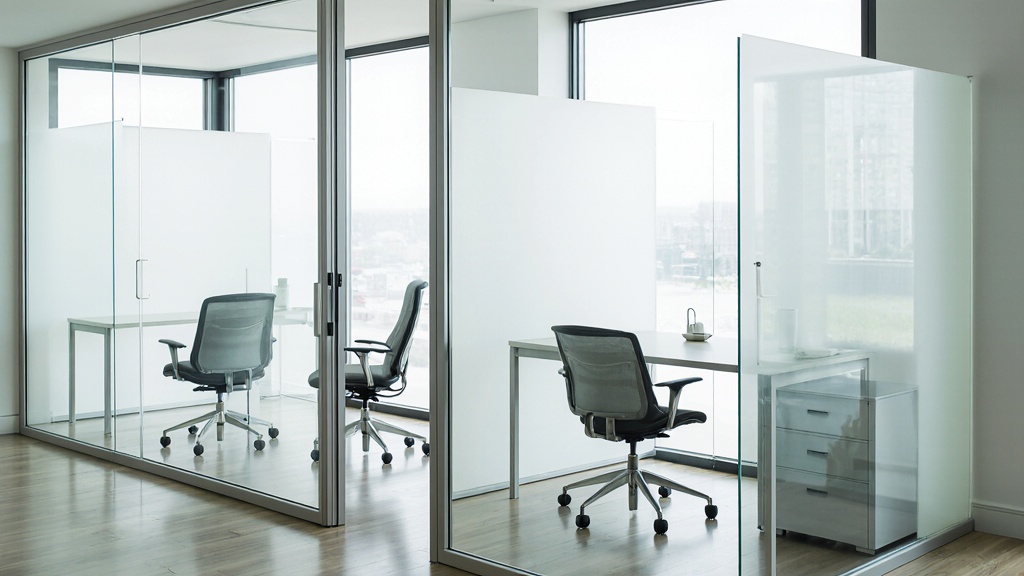 Sleek Glass Partition Dividers for Corporate Environments
In today’s dynamic corporate landscape, office design plays a pivotal role in shaping productivity, collaboration, and employee well-being. Among the numerous innovations in workspace architecture, modern glass partition cubicles have emerged as a versatile solution that combines functionality with modern style. These partitions are beyond just physical dividers; they are thoughtful elements that redefine how offices feel and operate.
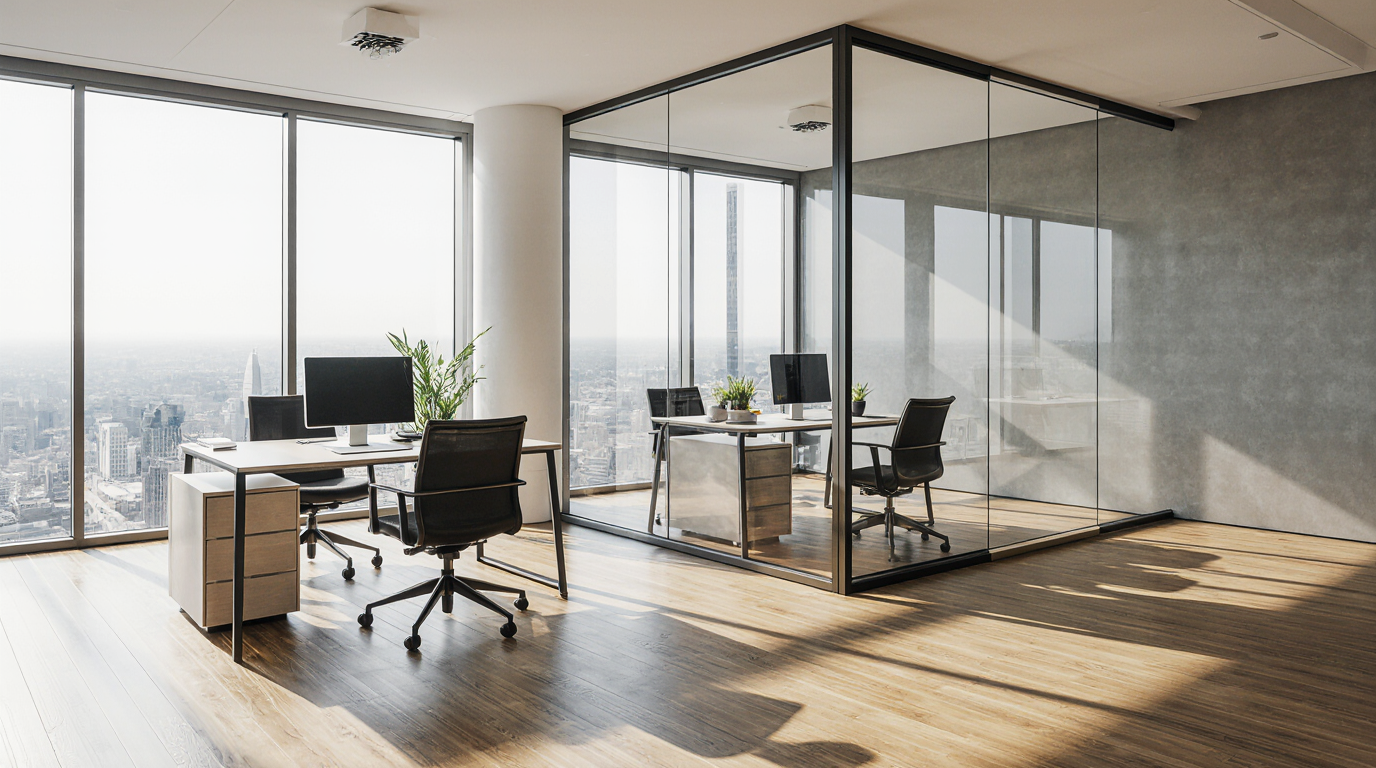
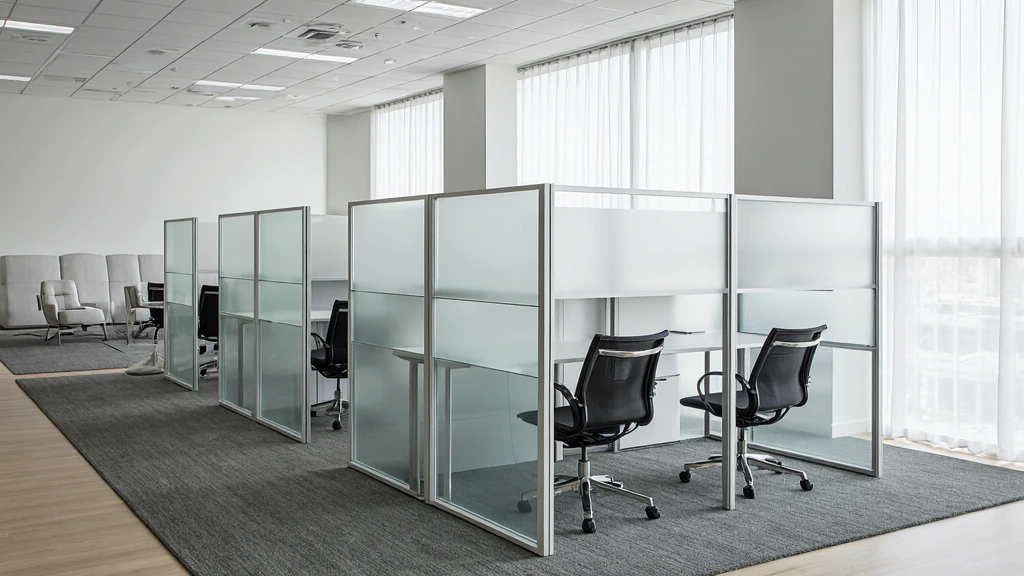
The versatility of glass partition cubicles lies in their ability to create semi-private spaces without compromising the sense of openness. Unlike traditional cubicles made from opaque materials, glass partitions allow natural light to permeate throughout the office, promoting a brighter and energetic atmosphere. This infusion of natural light has been shown to enhance mood, reduce fatigue, and boost overall productivity, making it an solution that benefits both staff and the business.
Tempered glass, often used in office partitions, is renowned for its strength and safety. Unlike ordinary glass, tempered glass undergoes a heat-based or chemical treatment that increases its resilience and resistance to impact. This ensures that even if an accident occurs, the glass breaks into minimal, blunt pieces, minimizing the hazard. The durability of tempered glass also translates into financial efficiency, as these partitions maintain their stability and appearance for years without constant upkeep.
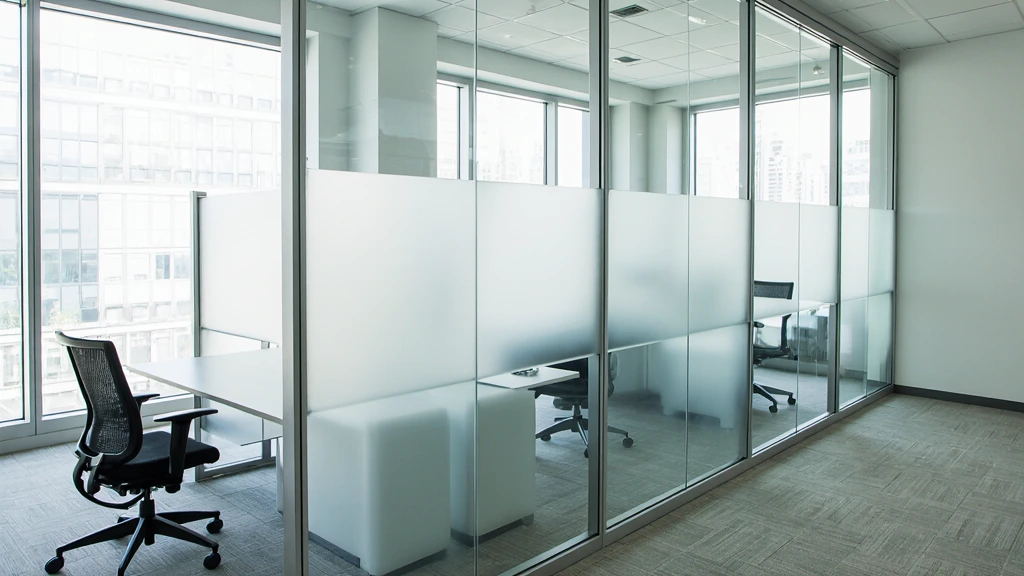
A key feature of modern glass cubicles is their adaptability. Offices today demand adjustable solutions that can evolve with organizational shifts and workflows. Glass partitions can be customized in dimensions, styles, and configurations, allowing designers to create spaces that meet specific operational needs. For example, frameless glass panels offer a refined look, while framed options provide additional structure and a nuance of traditional office design. Frosted or patterned glass can be incorporated to enhance privacy while maintaining a sense of openness, making it perfect for meeting rooms or executive offices.
The installation of glass partition cubicles is also a testament to contemporary engineering and precision craftsmanship. Professional installation ensures seamless alignment, secure fittings, and noise reduction. Acoustic glass technology can be integrated into partitions to reduce disturbances between workstations, preserving the benefits of an transparent environment without the drawbacks of interruption. This feature is particularly valuable in settings where focus and confidentiality are critical, such as financial institutions, legal offices, or creative agencies.
Beyond practical functionality, glass partitions contribute significantly to office aesthetics. The clean lines and transparency of glass create an sense of modernity. Employees and visitors alike perceive the workspace as structured, high-class, and innovative. Glass can also act as a canvas for branding, with custom etching or decals that display company logos, motivational quotes, or decorative patterns, subtly reinforcing corporate identity throughout the office.
Sustainability is another compelling advantage of glass partition systems. Many glass panels are manufactured using green processes and materials, making them a responsible choice for organizations. The ability to reuse and reconfigure partitions reduces waste, while the high recyclability of glass ensures that materials can be repurposed at the end of their lifecycle. Incorporating natural light through glass partitions also reduces reliance on artificial lighting, contributing to lower energy consumption and a more sustainable office footprint.
Maintenance of glass partitions is remarkably straightforward, which enhances their appeal for high-traffic office environments. A simple routine of cleaning with appropriate glass solutions keeps panels sparkling, streak-free, and visually striking. Unlike traditional cubicles, which can accumulate grime, scratches, and wear over time, glass maintains its pristine appearance with minimal effort. This low-maintenance quality ensures that offices consistently present a refined environment without requiring excessive upkeep.
The psychological impact of transparent office design should not be underestimated. Glass partitions help eliminate the feeling of confinement associated with traditional cubicles, promoting a sense of inclusion. Employees can interact more naturally, fostering communication and collaboration, while still having the option to retreat into semi-private spaces when concentration is needed. This balance between visibility and privacy aligns with contemporary understanding of workspace ergonomics, where mental well-being is as important as physical comfort.
Moreover, the integration of technology with glass partitions enhances their utility. Smart glass solutions, for instance, allow panels to switch from see-through to opaque with the touch of a button, offering instant privacy for meetings or confidential discussions. Some partitions can be combined with writable surfaces, enabling teams to brainstorm and share ideas directly on the glass, blending functionality with creativity. These technological innovations demonstrate that glass cubicles are not only aesthetically pleasing but also innovative tools that support modern workflows.
In terms of investment, while high-quality glass partition systems may involve a higher upfront cost compared to traditional cubicles, the return on investment is evident in various ways. Improved employee productivity, reduced energy expenses, enhanced brand image, and long-term durability all contribute to the strategic advantages of choosing glass. Forward-thinking companies recognize that the office environment is a core resource, and investing in premium design elements like glass partitions is an investment in the company’s overall performance and culture.
Modern glass partition cubicles also allow for seamless integration with other office furniture and accessories. Desks, storage units, and ergonomic seating can be aligned to complement the transparent aesthetic of glass, creating a integrated workspace. The visual continuity established by glass partitions can make even limited offices appear more spacious, maximizing both aesthetic appeal and functional efficiency.
The trend toward transparent yet structured work environments shows no sign of slowing. As businesses prioritize agility, collaboration, and employee satisfaction, glass partition cubicles are increasingly recognized as key components of modern office design. They offer the perfect balance of clarity and privacy, durability and style, technology and sustainability. Companies that adopt these solutions position themselves at the forefront of contemporary office innovation, creating environments where employees thrive and organizational goals are more easily achieved.
In essence, modern glass partition cubicles are much more than a visual choice; they are a strategic investment in productivity, wellness, and professional image. Their ability to transform ordinary offices into inviting, flexible, and inspiring workspaces underscores their importance in the contemporary corporate toolkit. With thoughtful planning, customization, and professional installation, glass partitions can redefine the office experience, turning everyday work into an environment that is as efficient as it is elegant.
The adoption of glass partition cubicles reflects a shift toward workplaces that value light, transparency, and adaptability. By embracing this contemporary solution, organizations are not only enhancing their physical spaces but also cultivating a culture that encourages openness, creativity, and engagement. The modern office is no longer a collection of traditional cubicles; it is a interactive ecosystem where glass partitions serve as the backbone of both form and function.
This approach represents a convergence of design, technology, and human-centric thinking, proving that the right architectural choices can elevate the entire organizational experience. Glass partition cubicles are not just walls; they are elements that shape interaction, influence perception, and support the success of businesses in an ever-changing professional landscape.